
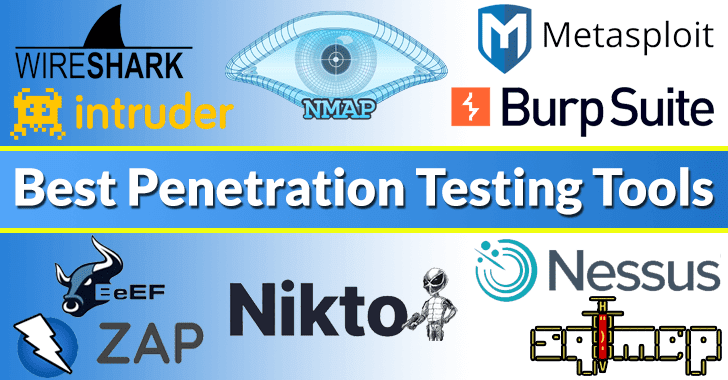
**Best Tools for Penetration Testing in 2024:** Top tools include Metasploit, Burp Suite, and Nmap. These tools provide comprehensive features for effective testing.
Penetration testing is essential for identifying security vulnerabilities in systems and networks. As cyber threats evolve, so do the tools used for testing. In 2024, various tools stand out for their effectiveness and user-friendly interfaces. Professionals rely on these tools to simulate attacks and discover weaknesses before malicious actors can exploit them.
The right tools streamline the testing process, enhance accuracy, and improve overall security measures. Selecting the best penetration testing tools is crucial for organizations aiming to safeguard their digital assets. This blog explores the leading tools that ensure robust security in today’s complex threat landscape.
Introduction To Penetration Testing
Penetration testing, often called pen testing, simulates cyberattacks. It helps identify weaknesses in systems. Organizations use this method to strengthen their security. This proactive approach is vital in today’s digital world.
Importance In Modern Cybersecurity
Penetration testing plays a critical role in modern cybersecurity. Here are some key reasons:
- Identifies Vulnerabilities: Uncovers security gaps before attackers do.
- Regulatory Compliance: Meets industry standards and regulations.
- Risk Management: Helps prioritize security investments.
- Employee Training: Educates staff on security best practices.
Regular pen testing builds a strong defense. Organizations can adapt to changing threats. This proactive strategy protects sensitive information.
Evolving Threat Landscape
The threat landscape changes rapidly. Cybercriminals develop new tactics constantly. Understanding this evolution is crucial for security. Here are some trends to note:
| Threat Type | Description |
|---|---|
| Ransomware | Malware that locks files until a ransom is paid. |
| Phishing | Fraudulent attempts to steal sensitive information. |
| IoT Vulnerabilities | Weaknesses in Internet of Things devices. |
| Cloud Security Risks | Potential threats to cloud-based services. |
Staying informed about these threats is essential. Penetration testing helps organizations adapt and defend against them.
Criteria For Selecting Pen Testing Tools
Choosing the right penetration testing tools is crucial for success. A good tool enhances security measures and protects against threats. Here are the main criteria to consider.
Accuracy And Reliability
Accuracy and reliability are vital for effective penetration testing. A tool must provide precise results. Inaccurate findings can lead to poor security decisions.
- Tool should detect vulnerabilities accurately.
- Results must be consistent across tests.
- Regular updates ensure reliability.
Consider these factors:
| Factor | Description |
|---|---|
| Detection Rate | Percentage of vulnerabilities found. |
| False Positives | Number of incorrect alerts. |
| Update Frequency | How often the tool receives updates. |
Ease Of Use And User Interface
A tool must be easy to use. A simple interface saves time and reduces errors. Complex tools can lead to confusion.
- Intuitive design helps users navigate easily.
- Clear instructions enhance user experience.
- Customizable settings cater to various skill levels.
Features to look for:
- Simple dashboard for quick access.
- Visual reports for better understanding.
- Support and documentation for troubleshooting.
Network Analysis Tools
Network analysis tools are essential for effective penetration testing. They help identify vulnerabilities and weaknesses in networks. These tools provide insights into network traffic and device configurations. Let’s explore two main categories: Advanced Network Scanners and Traffic Sniffers and Analyzers.
Advanced Network Scanners
Advanced network scanners automate the process of scanning networks. They uncover devices and their vulnerabilities. Here are some popular options:
| Tool Name | Features | Best For |
|---|---|---|
| Nmap | Port scanning, OS detection, scripting | Comprehensive network scans |
| Angry IP Scanner | Fast IP address scanning, simple UI | Quick checks |
| Advanced IP Scanner | Network management, remote access | Windows users |
Advanced network scanners provide detailed information. They help find open ports and services. Use these tools for efficient testing.
Traffic Sniffers And Analyzers
Traffic sniffers and analyzers monitor network traffic. They capture and analyze data packets. This helps identify suspicious activities. Key tools include:
- Wireshark: Powerful packet analysis tool.
- Tcpdump: Command-line packet capture utility.
- Snort: Intrusion detection and prevention system.
These tools provide real-time insights. They help detect anomalies in network traffic. Use traffic sniffers for a thorough analysis of network health.

Credit: cybersecuritynews.com
Vulnerability Assessment Utilities
Vulnerability assessment utilities are essential for identifying security flaws. They help organizations find weaknesses in their systems. These tools analyze networks and applications quickly. Effective utilities allow teams to respond to threats faster.
Automated Vulnerability Scanners
Automated vulnerability scanners save time and reduce human error. They scan systems for known vulnerabilities. Here are some popular options for 2024:
| Tool Name | Key Features |
|---|---|
| Qualys | Cloud-based, extensive vulnerability database, continuous monitoring |
| Nessus | User-friendly interface, customizable scans, detailed reporting |
| OpenVAS | Open-source, comprehensive vulnerability detection, regular updates |
These scanners offer various features. Choose one that meets your needs. Regular scanning is vital for maintaining security.
Customizable Reporting Features
Customizable reporting features enhance the usability of vulnerability tools. They allow users to generate reports based on specific needs. Effective reports can include:
- Vulnerability details
- Risk levels
- Suggested fixes
Some tools offer templates for easy reporting. Others allow full customization. This flexibility helps teams communicate findings clearly.
Choose tools with strong reporting capabilities. This helps in tracking progress over time. Effective reporting supports informed decision-making.
Web Application Testing Software
Web application testing software is crucial for identifying security flaws. These tools help protect sensitive data. They ensure applications are safe for users. In 2024, several tools stand out for their effectiveness and ease of use.
Cross-site Scripting
Cross-site scripting (XSS) is a common web security issue. It allows attackers to inject malicious scripts into webpages. Using the right tools can help detect XSS vulnerabilities.
- Burp Suite: Offers extensive XSS scanning features.
- OWASP ZAP: A free tool that finds XSS vulnerabilities easily.
- Acunetix: Automated scanner that detects various XSS types.
These tools can:
- Identify vulnerable input fields.
- Test payloads for XSS vulnerabilities.
- Provide detailed reports on findings.
Authentication And Session Management Testers
Authentication and session management are vital for web security. Weaknesses in these areas can lead to unauthorized access. Effective testing tools help find and fix these issues.
| Tool | Features |
|---|---|
| Burp Suite Pro | Advanced authentication testing options. |
| OWASP ZAP | Session management vulnerability detection. |
| Postman | API testing for authentication mechanisms. |
These tools can:
- Analyze session tokens.
- Test login mechanisms for weaknesses.
- Identify session fixation vulnerabilities.

Credit: sprinto.com
Wireless Network Testers
Wireless network testers are essential for identifying vulnerabilities. They help ensure network security by detecting weaknesses. In 2024, advanced tools make this process easier and more effective. Let’s explore two key categories of wireless network testers: encryption weakness identifiers and Wi-Fi network vulnerability detectors.
Encryption Weakness Identifiers
Encryption weakness identifiers focus on the strength of your network’s encryption. They find weak spots in the encryption protocols. This helps prevent unauthorized access to sensitive data. Here are some popular tools:
- Aircrack-ng: This tool cracks WEP and WPA/WPA2 encryption. It’s open-source and widely used.
- Kismet: This tool detects hidden networks and monitors traffic. It identifies weak encryption easily.
- Wireshark: This packet analyzer captures network data. It helps find encryption flaws in real-time.
Wi-fi Network Vulnerability Detectors
Wi-Fi network vulnerability detectors scan for security flaws. They assess network configurations and identify weak points. Here are some effective tools:
| Tool Name | Main Features |
|---|---|
| Nessus | Comprehensive vulnerability scanning and reporting. |
| NetSpot | Wi-Fi analysis and troubleshooting tool. |
| Reaver | Targets WPS vulnerabilities in routers. |
Using these tools helps improve network security. They reveal vulnerabilities that hackers might exploit. Regular testing ensures your wireless network remains safe.
Social Engineering Toolkit (set)
The Social Engineering Toolkit (SET) is a powerful tool for penetration testing. It helps security professionals test the human element of security. SET focuses on social engineering attacks. This toolkit is widely used by ethical hackers worldwide. In 2024, it remains essential for effective security assessments.
Phishing Campaign Tools
SET offers various phishing campaign tools. These tools simulate real-world phishing attacks. They help identify vulnerabilities in human behavior. Below are some key features:
- Phishing Templates: Choose from multiple templates.
- Customizable Emails: Edit emails to fit your target.
- Link Tracking: Monitor user interactions with links.
These features allow you to create realistic phishing scenarios. Testing helps improve awareness among users. It is crucial to train employees on recognizing these attacks.
Pretexting And Identity Spoofing
SET also excels in pretexting and identity spoofing. These techniques create believable scenarios for attacks. Key capabilities include:
- Identity Recreation: Mimic trusted contacts.
- Phone Call Spoofing: Display fake numbers.
- Information Gathering: Collect data to build trust.
Using these tools, security teams can expose weaknesses. They can design training programs based on findings. Knowledge is key to preventing future attacks.
Mobile Security Assessment Frameworks
Mobile Security Assessment Frameworks help ensure the safety of mobile applications. They provide tools and methods to identify vulnerabilities. As mobile threats grow, these frameworks are essential for developers and security teams. They help maintain user trust and protect sensitive data.
Mobile Application Pen Testing
Mobile Application Penetration Testing focuses on finding weaknesses in mobile apps. This testing checks for issues in both Android and iOS platforms. Here are some key tools used:
- Burp Suite: Great for web and mobile app testing.
- OWASP ZAP: Open-source tool for finding security vulnerabilities.
- MobSF: Automated framework for mobile security assessment.
These tools help security experts find and fix problems. They analyze the app’s code and behavior. Regular testing is crucial for keeping apps secure.
Operating System Security Checkers
Operating System Security Checkers evaluate mobile OS security. They find flaws that could lead to breaches. Important tools include:
| Tool | Description |
|---|---|
| Checkmarx | Static code analysis for vulnerabilities in mobile OS. |
| Fortify | Analyzes code to find weaknesses in applications. |
| AppScan | Detects security issues in mobile and web apps. |
Using these tools enhances the security of mobile operating systems. Regular checks help in mitigating risks effectively.
Post-exploitation Tools
Post-exploitation tools help testers maintain access and gather information after initial entry. They are crucial for understanding the depth of a breach. In 2024, the focus on these tools is greater than ever.
Privilege Escalation Techniques
Privilege escalation allows attackers to gain higher access levels. This can lead to sensitive data exposure. Here are popular techniques:
- Kernel Exploits: Attackers exploit vulnerabilities in the kernel.
- Token Manipulation: Modifying user tokens to gain higher privileges.
- Service Exploitation: Taking control of running services to escalate privileges.
Tools for privilege escalation include:
| Tool Name | Functionality |
|---|---|
| Metasploit | Offers various exploits and payloads. |
| Windows Exploit Suggester | Suggests potential exploits for Windows systems. |
| PowerSploit | Provides PowerShell scripts for exploitation. |
Data Exfiltration Methods
Data exfiltration is the unauthorized transfer of data. Attackers often use various methods to achieve this. Here are some popular methods:
- Network Protocols: Using FTP, HTTP, or DNS for data transfer.
- Physical Media: Copying data to USB drives or other devices.
- Cloud Services: Uploading data to cloud storage for retrieval.
Common tools for data exfiltration include:
| Tool Name | Functionality |
|---|---|
| Exfiltrator | Automates data transfer to remote locations. |
| Netcat | Transfers data over TCP/UDP connections. |
| curl | Transfers data via URLs, useful for API interactions. |
Emerging Pen Testing Technologies
Penetration testing is evolving rapidly. New technologies are shaping the future of security assessments. These emerging tools improve efficiency and effectiveness. They help experts find vulnerabilities faster and more accurately.
Ai In Automated Pen Testing
Artificial Intelligence (AI) is transforming penetration testing. AI tools automate many tedious tasks. This allows testers to focus on critical issues.
- Speed: AI can analyze systems quickly.
- Accuracy: Reduces human error in testing.
- Learning: AI systems improve over time.
Some popular AI tools in penetration testing include:
| Tool Name | Main Feature |
|---|---|
| DeepExploit | Automated exploitation using AI. |
| Black Hills Information Security (BHIS) | AI-driven vulnerability assessments. |
| Metasploit Pro | AI-enhanced penetration testing capabilities. |
Cloud-based Pen Testing Platforms
Cloud-based platforms are gaining popularity. They offer flexibility and scalability. These platforms allow security teams to work from anywhere.
- Cost-effective: No need for expensive hardware.
- Collaboration: Teams can share insights easily.
- Updates: Tools are updated automatically.
Some leading cloud-based pen testing platforms include:
| Platform Name | Key Feature |
|---|---|
| Cylance | AI-powered cloud security. |
| Veracode | Cloud-based application security testing. |
| Intruder | Automated vulnerability scanning in the cloud. |
Ethical And Legal Considerations
Penetration testing is a powerful tool. It helps identify security weaknesses. Ethical and legal considerations are crucial for testers. Following the right guidelines is essential for success.
Staying Within Legal Boundaries
Understanding legal boundaries is vital. Always obtain permission before testing. Unauthorized testing can lead to serious consequences.
- Check local laws regarding cybersecurity.
- Get written consent from the organization.
- Understand the scope of the testing.
Document everything. This ensures transparency and accountability. Keep records of agreements and communications. Follow the law to protect yourself and your clients.
Maintaining Ethical Standards
Ethics guide penetration testing practices. Testers must act responsibly. They should protect client data and privacy.
- Always respect client confidentiality.
- Report all findings honestly and accurately.
- Do not exploit vulnerabilities for personal gain.
Consider the impact of your work. Ensure that tests do not disrupt client services. Ethical conduct builds trust and credibility.
| Ethical Principles | Description |
|---|---|
| Integrity | Act honestly in all testing activities. |
| Accountability | Take responsibility for your actions. |
| Transparency | Communicate openly with clients. |
Following these ethical principles ensures a positive outcome. Ethical testing benefits both the tester and the organization.
Final Thoughts
Penetration testing tools evolve rapidly. Staying updated is crucial for effective security. The right tools enhance your ability to detect vulnerabilities. Choose tools that fit your specific needs.
Integrating Tools Into Security Practices
Integration is key for maximizing the effectiveness of penetration testing tools. Here are some best practices:
- Use Automation: Automate repetitive tasks to save time.
- Collaborate: Work with your security team for better results.
- Document Findings: Keep records of tests and results.
- Review Regularly: Update tools and practices frequently.
Integrate these tools into your overall security framework. This allows for a proactive approach to threat management.
Continuous Learning And Adaptation
Cybersecurity threats change daily. Continuous learning is vital. Here are some ways to stay ahead:
- Attend Workshops: Participate in training sessions and workshops.
- Follow Industry Trends: Keep up with the latest news and updates.
- Join Communities: Engage with other professionals in forums and networks.
- Practice Regularly: Use labs and simulations to refine skills.
Adapt your strategies based on new information. Make learning a priority in your security practices.

Credit: www.strongdm.com
Frequently Asked Questions
What Are The Top Penetration Testing Tools For 2024?
Some of the best penetration testing tools for 2024 include Metasploit, Burp Suite, and Nmap. These tools offer robust features for vulnerability assessment, network scanning, and exploitation. They are widely used by cybersecurity professionals to identify and mitigate security risks effectively.
How Do I Choose A Penetration Testing Tool?
Choosing a penetration testing tool depends on your specific needs. Consider factors like ease of use, features, and community support. Evaluate tools based on their ability to address your security requirements. Conduct trials if possible to find the best fit for your organization.
Are Free Penetration Testing Tools Effective?
Yes, free penetration testing tools can be effective. Tools like OWASP ZAP and Nikto offer essential features for vulnerability scanning. While they may lack some advanced functionalities, they are suitable for smaller projects or learning purposes. However, investing in premium tools can provide enhanced capabilities.
What Skills Are Needed For Penetration Testing?
Essential skills for penetration testing include knowledge of networking, programming, and security principles. Familiarity with various operating systems and tools is also crucial. Additionally, soft skills like problem-solving and critical thinking are important for effective testing and reporting. Continuous learning is key in this evolving field.
Conclusion
Choosing the right tools for penetration testing is crucial for effective cybersecurity. The tools mentioned in this guide are among the best for 2024. They enhance your ability to identify vulnerabilities and strengthen your network. Stay updated with the latest advancements to ensure your security measures remain robust and effective.


Leave a Reply