

To secure web applications against SQL injection attacks, use parameterized queries and prepared statements. Regularly update and patch your software to mitigate vulnerabilities.
Securing Web Applications Against SQL Injection:SQL injection attacks remain a significant threat to web applications. These attacks exploit vulnerabilities in the application’s database interaction, allowing attackers to manipulate queries. As organizations increasingly rely on data-driven applications, protecting sensitive information is crucial. SQL injection can lead to unauthorized data access, data loss, and significant reputational damage.
Implementing robust security practices is essential for safeguarding against these threats. Developers must prioritize secure coding techniques and continuous monitoring. By understanding the risks associated with SQL injection, organizations can better defend their applications and maintain user trust. Educating teams about these vulnerabilities is a critical step in enhancing overall security.

Credit: www.acunetix.com
Introduction To Sql Injection
SQL Injection is a serious security risk for web applications. It allows attackers to manipulate database queries. Understanding SQL Injection helps in protecting sensitive data.
The Threat Landscape
SQL Injection attacks are common. They exploit vulnerabilities in web applications. Here are some key points:
- Attackers insert malicious SQL code.
- They can access or modify data.
- They may gain control of the entire database.
According to a report, SQL Injection remains among the top threats:
| Year | Percentage of Attacks |
|---|---|
| 2021 | 30% |
| 2022 | 25% |
| 2023 | 20% |
Impact On Web Applications
SQL Injection can cause severe damage to web applications. Here are some potential impacts:
- Data Breach: Sensitive information may be exposed.
- Data Loss: Important data can be deleted or altered.
- Financial Loss: Businesses may face significant costs.
Organizations may also suffer reputational damage. Trust is hard to rebuild once lost. Protecting against SQL Injection is crucial for all web applications.
Identifying Vulnerabilities
Identifying vulnerabilities in web applications is crucial. SQL injection attacks can lead to data breaches. Understanding how to spot these weaknesses helps protect sensitive information.
Common Sql Injection Patterns
Different patterns reveal SQL injection risks. Here are some common ones:
- Union-based SQL Injection: Combines results from multiple queries.
- Error-based SQL Injection: Uses error messages to gain insights.
- Time-based SQL Injection: Delays responses to infer data.
- Blind SQL Injection: No error messages, but responses vary.
Recognizing these patterns helps in early detection. Always validate user inputs to reduce risks.
Tools For Detection
Various tools can help in detecting SQL injection vulnerabilities. Consider these options:
| Tool | Purpose |
|---|---|
| SQLMap | Automates detection and exploitation. |
| Burp Suite | Web application security testing. |
| OWASP ZAP | Open-source security scanner. |
| Acunetix | Automated web vulnerability scanner. |
Utilize these tools regularly. They offer insights into potential SQL injection points. Regular scans enhance web application security.
Input Validation Strategies
Securing web applications from SQL injection attacks requires strong input validation strategies. These strategies ensure that only safe data enters your system. Proper validation helps prevent malicious data from causing harm. Here, we explore effective methods like whitelisting and blacklisting.
Whitelisting Vs. Blacklisting
Understanding the difference between whitelisting and blacklisting is crucial.
- Whitelisting: Allows only specific, safe inputs.
- Blacklisting: Blocks known harmful inputs.
Whitelisting is more secure. It reduces the chances of SQL injection attacks significantly. Blacklisting may miss new threats. Here’s a quick comparison:
| Feature | Whitelisting | Blacklisting |
|---|---|---|
| Security Level | High | Medium |
| Maintenance | Ongoing, strict | Easier, but risky |
| Flexibility | Low | High |
Using Regular Expressions
Regular expressions (regex) are powerful tools for validating input. They define patterns for acceptable data. Implementing regex can prevent unwanted characters.
Here’s how to use regex effectively:
- Define the pattern for valid input.
- Test the user input against this pattern.
- Reject any input that doesn’t match.
Example of a regex pattern for email validation:
/^[a-zA-Z0-9._%+-]+@[a-zA-Z0-9.-]+\.[a-zA-Z]{2,}$/
This pattern ensures only valid email formats are accepted. Implementing these strategies strengthens your web application’s defenses.
Leveraging Parameterized Queries
Securing web applications against SQL injection attacks is vital. One effective method is using parameterized queries. They help keep data safe by separating commands from data. This makes it harder for attackers to inject harmful SQL code.
Prepared Statements Explained
Prepared statements are a type of parameterized query. They allow developers to define SQL code with placeholders for data. This method offers multiple benefits:
- Improved Security: Reduces the risk of SQL injection.
- Efficiency: The database prepares the statement once. It can run multiple times with different values.
- Ease of Maintenance: Code is easier to read and manage.
Here’s a simple example of a prepared statement in PHP:
$stmt = $conn->prepare("SELECT  FROM users WHERE username = ?");
$stmt->bind_param("s", $username);
$stmt->execute();
In this code:
- The SQL statement is prepared.
- A placeholder (?) is used for user input.
- The user input is bound to the placeholder.
Stored Procedures And Their Benefits
Stored procedures are another method to secure SQL queries. They are pre-written SQL statements stored in the database. Using stored procedures offers several advantages:
| Benefit | Description |
|---|---|
| Enhanced Security | Limits direct access to tables and data. |
| Code Reusability | Write once, use multiple times across applications. |
| Performance Boost | Reduces the amount of data sent over the network. |
Example of a stored procedure in MySQL:
CREATE PROCEDURE GetUser(IN username VARCHAR(100))
BEGIN
    SELECT  FROM users WHERE username = username;
END;
Stored procedures keep your application safe. They ensure that user input is handled properly.
Employing Orm Frameworks
Using ORM (Object-Relational Mapping) frameworks helps secure web applications. They simplify database interactions and protect against SQL Injection attacks. ORMs allow developers to work with databases using programming languages instead of SQL queries. This reduces risks and enhances security.
Advantages Of Orms
ORMs offer several benefits for web application security:
- Automatic Query Generation: ORMs create safe queries automatically.
- Reduced Risk of SQL Injection: They use parameterized queries, limiting user input risks.
- Code Readability: ORM code is easier to read and maintain.
- Database Abstraction: They allow switching databases without code changes.
Selecting The Right Orm
Choosing the right ORM is crucial for effective security. Consider these factors:
- Language Compatibility: Ensure it fits your programming language.
- Community Support: Look for active community and documentation.
- Performance: Evaluate how it handles large datasets.
- Security Features: Check built-in protections against SQL Injection.
Popular ORM frameworks include:
| Framework | Language | Key Feature |
|---|---|---|
| Hibernate | Java | Powerful query language |
| Entity Framework | C# | LINQ support |
| Django ORM | Python | Easy migrations |
| ActiveRecord | Ruby | Convention over configuration |
Careful selection of an ORM helps protect web applications effectively.
Implementing Web Application Firewalls
Web Application Firewalls (WAFs) are essential tools for protecting web applications. They block malicious traffic and secure your data. WAFs help defend against SQL injection attacks. These attacks target databases through web applications. A WAF acts as a barrier between users and your application. It filters and monitors HTTP requests. This filtering ensures only safe data reaches your application.
How Wafs Provide An Extra Layer Of Security
WAFs offer several key benefits to enhance security:
- Real-time Monitoring: WAFs monitor all web traffic.
- Signature-Based Detection: They identify known attack patterns.
- Behavioral Analysis: WAFs detect unusual activity.
- Custom Rules: You can set specific rules for your application.
This additional layer helps prevent unauthorized access. WAFs can block threats before they reach your servers.
Configuring Wafs For Optimal Protection
Proper configuration of WAFs is crucial for effective protection. Follow these steps to set up your WAF:
- Define Security Policies: Specify what traffic is allowed.
- Set Up Rules: Create rules to block SQL injection attempts.
- Regular Updates: Keep WAF signatures updated.
- Monitor Logs: Review logs for suspicious activity.
Consider the following table for common WAF features:
| Feature | Description |
|---|---|
| Traffic Filtering | Blocks harmful requests based on pre-defined rules. |
| Application Security | Protects against known vulnerabilities and exploits. |
| Threat Intelligence | Utilizes data from global sources to identify threats. |
| Reporting | Generates reports on traffic and potential attacks. |
Use these features to enhance your web application’s security. WAFs are a smart investment for protecting sensitive data.
Regular Security Audits And Testing
Securing web applications against SQL injection attacks is crucial. Regular security audits and testing identify vulnerabilities. They help maintain robust security measures. Organizations must prioritize this practice.
The Importance Of Penetration Testing
Penetration testing simulates attacks on your system. It reveals weaknesses before real attackers can exploit them. Here are key benefits:
- Identify Vulnerabilities: Find and fix security gaps.
- Improve Security Posture: Strengthen defenses against attacks.
- Meet Compliance: Fulfill industry regulations and standards.
- Raise Awareness: Educate staff about security risks.
Conduct penetration tests regularly. Schedule them at least twice a year. Consider testing after major changes in your application.
Automated Scanning Vs. Manual Inspection
Both automated scanning and manual inspection have roles in security audits.
| Method | Advantages | Disadvantages |
|---|---|---|
| Automated Scanning |
|
|
| Manual Inspection |
|
|
Use a combination of both methods. This approach enhances overall security. Automated tools find obvious flaws. Manual inspections uncover hidden vulnerabilities. Regular testing can save your organization from costly breaches.
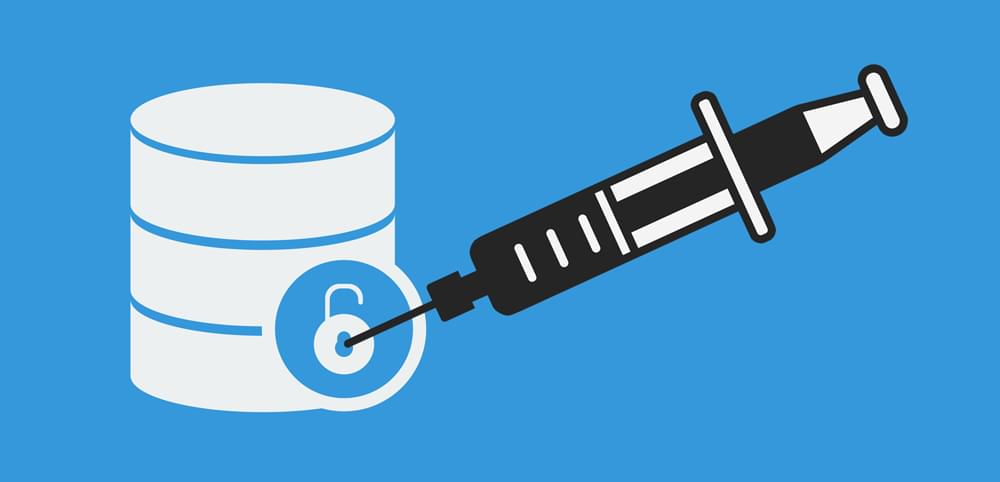
Credit: www.sitepoint.com
Educating Developers And Users
Securing web applications from SQL injection attacks requires strong education. Both developers and users must understand security risks. Knowledge empowers them to make safer choices.
Secure Coding Practices
Developers play a crucial role in preventing SQL injection attacks. They should follow secure coding practices. Here are some key practices:
- Use Prepared Statements: These separate code from data.
- Implement Stored Procedures: These limit the SQL commands executed.
- Sanitize User Inputs: Always clean data before using it.
- Limit Database Privileges: Users should have only necessary access.
By adopting these practices, developers reduce the risk of SQL injection. Regular code reviews enhance security as well.
Raising Awareness On Security Hygiene
Users also play a role in web application security. Educating them about security hygiene is vital. Here are some effective strategies:
- Train Users: Offer workshops on security best practices.
- Provide Resources: Create easy-to-understand guides on security.
- Encourage Strong Passwords: Teach users to create complex passwords.
- Promote Regular Updates: Remind users to update software often.
Awareness leads to safer online behaviors. Educated users are less likely to fall for attacks.
Staying Updated With Security Patches
Keeping web applications secure is vital. SQL injection attacks are common threats. One effective defense is staying updated with security patches. Regular updates fix vulnerabilities. They help protect data and user information.
Importance Of Keeping Software Up-to-date
Outdated software is a major risk. Hackers exploit known vulnerabilities. Regular updates minimize these risks. Here are key points:
- Reduces Risk: Fixes security holes in software.
- Enhances Performance: Updates often improve speed.
- Adds Features: New functionalities can be beneficial.
- Compliance: Helps meet industry standards.
Best Practices For Patch Management
Effective patch management is crucial for security. Follow these best practices:
- Regular Scans: Check for updates weekly.
- Prioritize Critical Updates: Address high-risk vulnerabilities first.
- Automate Updates: Use tools to schedule updates automatically.
- Test Before Deployment: Ensure updates do not break existing features.
- Document Changes: Keep records of all updates made.
Implementing these practices strengthens your application’s defenses. Don’t ignore the importance of updates. They are your first line of defense against SQL injection attacks.

Credit: www.spiceworks.com
Advanced Techniques And Tools
Securing web applications against SQL injection attacks requires advanced techniques and tools. These methods enhance your defense and protect sensitive data. Below are effective strategies to strengthen your security posture.
Intrusion Detection Systems
Intrusion Detection Systems (IDS) monitor network traffic. They help detect suspicious activities in real time. Implementing IDS adds an extra layer of security.
- Identify unauthorized access attempts.
- Analyze traffic patterns.
- Generate alerts for potential threats.
Popular IDS tools include:
| Tool Name | Description |
|---|---|
| Snort | Open-source IDS that detects and prevents intrusions. |
| Suricata | High-performance IDS that supports multi-threading. |
| OSSEC | Host-based IDS for monitoring logs and file integrity. |
Real-time Monitoring Solutions
Real-time monitoring solutions help track application behavior. They ensure quick detection of SQL injection attempts. Continuous monitoring minimizes damage risks.
- Use web application firewalls (WAFs).
- Implement server-side input validation.
- Employ automated security testing tools.
Some effective real-time monitoring tools include:
- Burp Suite – for web application security testing.
- OWASP ZAP – open-source tool for finding vulnerabilities.
- Acunetix – automated scanner for web applications.
Regular updates and patching are vital. Keep your software up-to-date. This practice helps close vulnerabilities and enhances security.
Conclusion And Best Practices Recap
Securing web applications from SQL injection attacks is crucial. These attacks can lead to data breaches and loss of trust. Implementing best practices helps protect applications and user data.
Key Takeaways
- Use Prepared Statements: They prevent SQL injection by separating SQL logic from data.
- Employ Stored Procedures: These add another layer of protection against malicious input.
- Input Validation: Always validate and sanitize user inputs to ensure safety.
- Least Privilege Principle: Limit database user permissions to reduce potential damage.
- Regular Security Audits: Conduct audits to identify and fix vulnerabilities.
Continual Improvement In Security Posture
Security is not a one-time task. It requires ongoing effort. Implement regular updates and patches. Stay informed about new threats.
Here are some effective strategies:
- Conduct penetration testing regularly.
- Monitor application logs for unusual activities.
- Educate developers on secure coding practices.
- Integrate security tools in the development cycle.
- Collaborate with security experts for guidance.
| Practice | Description |
|---|---|
| Prepared Statements | Safeguard against SQL injection by using parameterized queries. |
| Input Sanitization | Remove harmful characters from user inputs. |
| Access Controls | Restrict access to sensitive data and functions. |
Implement these best practices. Stay vigilant to protect your web applications.
Frequently Asked Questions
What Is Sql Injection?
SQL Injection is a security vulnerability that allows attackers to manipulate a web application’s database. By injecting malicious SQL code, they can access, modify, or delete data. Protecting against SQL Injection is crucial for maintaining data integrity and user trust.
How To Prevent Sql Injection Attacks?
To prevent SQL Injection attacks, use prepared statements and parameterized queries. Validate and sanitize user inputs to eliminate harmful code. Regularly update your software and conduct security audits to identify vulnerabilities. Implementing these strategies can significantly enhance your web application’s security.
What Are The Signs Of Sql Injection?
Signs of SQL Injection include unusual database errors, slow application performance, and unexpected data changes. Additionally, unauthorized access to user accounts may indicate an attack. Monitoring logs for suspicious activity can help identify potential SQL Injection attempts.
Why Is Sql Injection Dangerous?
SQL Injection is dangerous because it can lead to severe data breaches and loss of sensitive information. Attackers can gain unauthorized access to databases, which may result in identity theft or financial loss. Protecting against SQL Injection is essential for safeguarding user data and maintaining your application’s reputation.
Conclusion
Securing web applications from SQL injection attacks is crucial for protecting sensitive data. Implementing best practices, like prepared statements and regular security audits, can significantly reduce risks. Stay informed about the latest security trends and continuously refine your defense strategies.
Prioritizing security will help ensure a safer online environment for all users.


Leave a Reply