
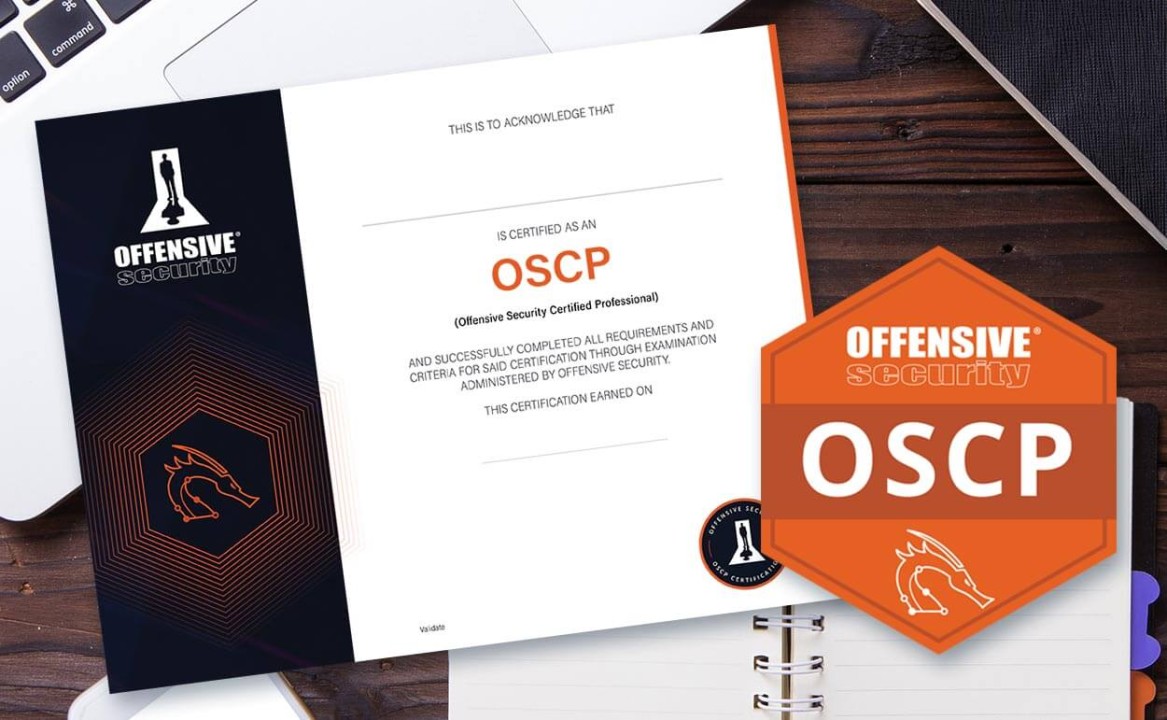
Top certifications for penetration testing professionals include Certified Ethical Hacker (CEH) and Offensive Security Certified Professional (OSCP). These credentials enhance skills and marketability in cybersecurity.
Top Certifications for Penetration Testing Pros:Penetration testing is crucial in identifying vulnerabilities in systems and networks. As cyber threats grow, professionals must equip themselves with relevant skills and certifications. Various programs offer specialized training to ensure mastery of penetration testing techniques. Choosing the right certification can significantly impact your career trajectory.
Certifications like CEH and OSCP not only validate expertise but also open doors to advanced job opportunities. Employers increasingly seek certified professionals to protect their organizations from cyber risks. Investing in these certifications can lead to better job prospects and increased earning potential in the cybersecurity field.
Credit: www.infosecinstitute.com
Introduction To Penetration Testing
Penetration testing, or pen testing, is a crucial part of cybersecurity. It involves simulating attacks on systems to find vulnerabilities. Companies use these tests to protect their data and networks. Skilled professionals conduct these tests to identify weaknesses before hackers do.
The Role Of Pen Testing In Cybersecurity
Pen testing plays a vital role in maintaining strong security. Here are key functions:
- Identifying Vulnerabilities: Tests reveal system weaknesses.
- Improving Security Measures: Findings help strengthen defenses.
- Compliance: Many industries require regular pen tests for standards.
- Risk Management: Helps organizations understand potential threats.
Pen testers simulate real-world attacks. They use various tools and techniques. This helps organizations stay one step ahead of cybercriminals.
Qualities Of A Skilled Penetration Tester
A successful penetration tester possesses several key qualities:
| Quality | Description |
|---|---|
| Technical Skills | Knowledge of networks, systems, and programming. |
| Problem-Solving | Ability to think critically and creatively. |
| Attention to Detail | Noticing small issues can prevent big problems. |
| Communication | Clearly presenting findings to technical and non-technical teams. |
| Ethical Mindset | Following laws and guidelines while testing. |
These qualities ensure that pen testers can effectively protect organizations. Their work is vital for a safe digital environment.
The Value Of Certifications In Pen Testing
Certifications in penetration testing hold significant value for professionals. They validate skills and knowledge in cybersecurity. Employers often seek certified individuals for their expertise. Certifications demonstrate commitment to the field. They also enhance credibility and trustworthiness.
Boosting Career Prospects
Certifications can greatly boost career prospects in penetration testing. Here are some key benefits:
- Higher Salary: Certified professionals often earn more.
- Job Opportunities: Many companies prefer certified candidates.
- Advancement: Certifications can lead to promotions.
Many employers view certifications as a benchmark for skills. They indicate a level of dedication and expertise. Here is a table of popular certifications:
| Certification | Provider | Focus Area |
|---|---|---|
| CEH | EC-Council | Ethical Hacking |
| OSCP | Offensive Security | Penetration Testing |
| CPT | CompTIA | Penetration Testing |
Staying Current With Security Trends
Cybersecurity is always changing. New threats emerge daily. Certifications help professionals stay up to date. They cover the latest tools and techniques. Regular training is essential for effective performance.
Many certification programs offer ongoing education. This ensures skills remain relevant. Here are some ways certifications help:
- Access to Resources: Certified individuals often receive exclusive materials.
- Networking Opportunities: Join communities of other certified professionals.
- Workshops and Seminars: Participate in events focused on the latest trends.
Engaging with these resources keeps skills sharp. It prepares professionals for evolving challenges.
Certified Ethical Hacker (ceh)
The Certified Ethical Hacker (CEH) is a key certification for penetration testing professionals. It validates skills in identifying and addressing security vulnerabilities. This certification is highly respected in the cybersecurity community.
Overview Of Ceh Certification
The CEH certification focuses on ethical hacking techniques. It covers various topics that include:
- Network Security
- System Security
- Web Application Security
- Malware Threats
To earn the CEH certification, candidates must pass the CEH exam. The exam consists of 125 multiple-choice questions. Candidates have four hours to complete it.
| Exam Details | Information |
|---|---|
| Number of Questions | 125 |
| Duration | 4 hours |
| Passing Score | 60% |
Career Paths With Ceh
Earning the CEH certification opens many career doors. Some common roles include:
- Penetration Tester
- Security Analyst
- Information Security Manager
- Network Security Engineer
These roles offer competitive salaries and growth opportunities. The demand for certified professionals is increasing. Companies seek experts to protect their systems from attacks.
CEH certification enhances credibility. It shows employers that candidates possess essential skills. This certification can lead to job promotions and higher pay.
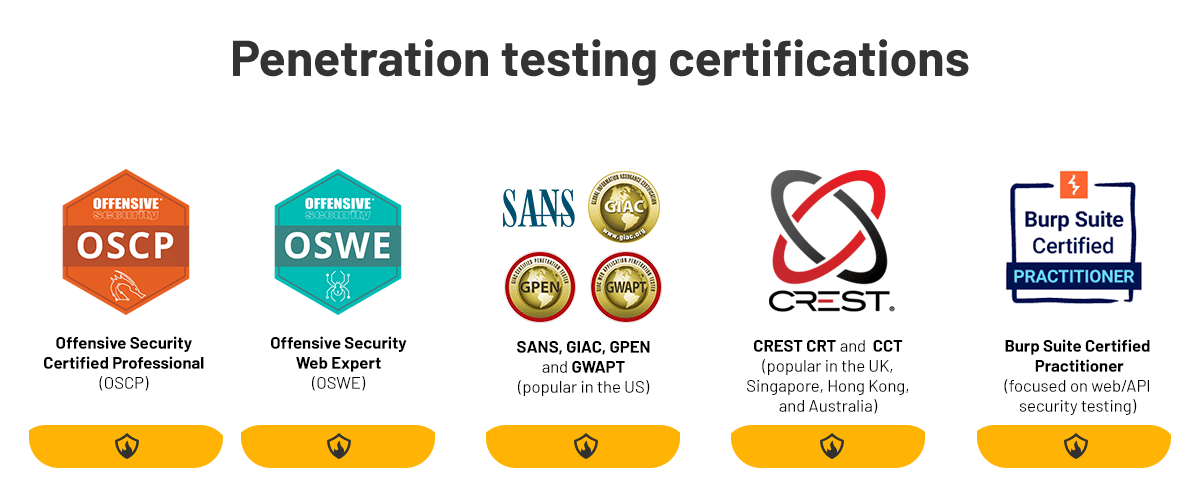
Credit: www.blazeinfosec.com
Offensive Security Certified Professional (oscp)
The Offensive Security Certified Professional (OSCP) is a well-respected certification in the field of penetration testing. It is designed for professionals who want to demonstrate their skills in real-world hacking scenarios. This hands-on certification focuses on practical skills rather than theoretical knowledge. Candidates must complete a challenging exam that tests their abilities to exploit vulnerabilities in various systems.
Challenges Of Oscp Certification
Preparing for the OSCP certification is not easy. Candidates face several challenges:
- Time Commitment: The course requires significant study time.
- Hands-On Practice: Real-world scenarios demand practical experience.
- Exam Pressure: The exam lasts 24 hours, adding stress.
- Complexity: Topics range from networking to exploitation techniques.
Benefits Of An Oscp Credential
Obtaining the OSCP credential offers many advantages:
| Benefit | Description |
|---|---|
| Industry Recognition | OSCP is highly respected in cybersecurity. |
| Skill Validation | Proves your practical penetration testing skills. |
| Career Opportunities | Opens doors to advanced roles in cybersecurity. |
| Networking | Connects you with a community of professionals. |
The OSCP credential boosts your resume. Employers value hands-on experience. This certification helps in career advancement. It also enhances your reputation in the cybersecurity field.
Licensed Penetration Tester (lpt)
The Licensed Penetration Tester (LPT) certification is a mark of excellence in the field of cybersecurity. It demonstrates advanced skills in penetration testing. This certification is ideal for professionals aiming to stand out in their careers.
Advancing Beyond Ceh
The LPT certification builds on knowledge gained from the Certified Ethical Hacker (CEH) program. While CEH covers basic techniques, LPT dives deeper. It focuses on real-world scenarios and advanced methodologies. Here are key differences:
| Aspect | CEH | LPT |
|---|---|---|
| Focus | Basic ethical hacking | Advanced penetration testing |
| Hands-on Experience | Limited | Extensive |
| Certification Level | Entry to Intermediate | Advanced |
The Lpt Examination Process
The LPT exam is rigorous. It tests practical skills in various scenarios. Candidates must demonstrate their ability to exploit vulnerabilities.
- Registration: Sign up on the official website.
- Preparation: Study advanced penetration testing techniques.
- Exam Format: Hands-on practical test.
- Duration: The exam lasts up to 4 hours.
- Scoring: No multiple-choice questions. Performance is based on practical tasks.
Passing the LPT exam opens many doors. It enhances job prospects and salary potential. Professionals with LPT certification are in high demand.
Comptia Pentest+
The CompTIA PenTest+ certification is designed for penetration testing professionals. It focuses on assessing the security of networks and applications. This certification validates skills in identifying vulnerabilities and protecting systems.
Comptia’s Holistic Approach
CompTIA takes a comprehensive view of cybersecurity. Their PenTest+ certification covers various aspects:
- Planning and scoping tests
- Information gathering and vulnerability scanning
- Exploitation and post-exploitation techniques
- Reporting and communication of findings
This approach prepares professionals for real-world challenges. They learn to think critically and act strategically.
Comparing Pentest+ With Other Certifications
PenTest+ stands out in the cybersecurity field. Here’s how it compares to other popular certifications:
| Certification | Focus Area | Experience Level |
|---|---|---|
| CompTIA PenTest+ | Penetration Testing | Intermediate |
| CEH (Certified Ethical Hacker) | Ethical Hacking | Intermediate |
| OSCP (Offensive Security Certified Professional) | Penetration Testing | Advanced |
| CISSP (Certified Information Systems Security Professional) | Security Management | Advanced |
PenTest+ is suitable for those with some experience. It’s less intense than OSCP but more focused than CEH.
This certification provides hands-on skills. Candidates learn to conduct tests, analyze results, and report findings.
Certified Information Systems Security Professional (cissp)
The Certified Information Systems Security Professional (CISSP) is a globally recognized certification. It validates expertise in information security. Many penetration testing professionals pursue this certification to enhance their skills.
Understanding The Cissp Domain
The CISSP covers eight domains. Each domain focuses on essential areas of information security. Here is a breakdown of these domains:
| Domain | Description |
|---|---|
| Security and Risk Management | Focuses on risk management and compliance. |
| Asset Security | Involves protecting assets and data integrity. |
| Security Architecture and Engineering | Covers secure systems and architecture design. |
| Communication and Network Security | Ensures secure data transmission and communication. |
| Identity and Access Management | Manages identities and access controls. |
| Security Assessment and Testing | Focuses on security testing and assessment techniques. |
| Security Operations | Involves managing and monitoring security operations. |
| Software Development Security | Covers secure software development practices. |
Each domain plays a crucial role. Mastering these areas leads to effective security practices.
Cissp: For The Seasoned Professionals
The CISSP is ideal for experienced security professionals. It requires at least five years of work experience. Candidates must have experience in at least two of the eight domains.
- Proven expertise in information security.
- Ability to design and manage security programs.
- Enhanced career opportunities and earning potential.
Many organizations prefer hiring CISSP-certified professionals. They trust their skills and knowledge in security management. This certification opens doors to advanced roles in cybersecurity.

Credit: www.edusum.com
Choosing The Right Certification For You
Selecting the right certification is crucial for a successful career in penetration testing. The right certification enhances skills and opens new job opportunities. Focus on your current skills and career goals to make the best choice.
Assessing Your Current Skill Level
Understanding your skill level helps you choose wisely. Ask yourself these questions:
- What is my experience in cybersecurity?
- Do I know basic networking concepts?
- How familiar am I with penetration testing tools?
Begin with entry-level certifications if you’re new. Consider advanced certifications if you have experience. Here’s a simple table to help:
| Skill Level | Recommended Certifications |
|---|---|
| Beginner | CompTIA Security+, CEH (Certified Ethical Hacker) |
| Intermediate | OSCP (Offensive Security Certified Professional), GPEN (GIAC Penetration Tester) |
| Advanced | CEH Master, OSCE (Offensive Security Certified Expert) |
Aligning Certifications With Career Goals
Your career goals shape your certification path. Identify what you want to achieve:
- Do you want to work for a specific company?
- Are you aiming for a particular role, like a security analyst?
- Do you want to specialize in a certain area, like web application security?
Different certifications serve different purposes:
- CEH: Good for general penetration testing.
- OSCP: Best for hands-on skills.
- GPEN: Focuses on network penetration testing.
Aligning your certification choice with your goals leads to better job satisfaction.
Preparing For Penetration Testing Certifications
Getting ready for penetration testing certifications is essential for success. Proper preparation boosts knowledge and skills. Focus on the right study methods and practical experience. This guide will help streamline your preparation.
Study Tips And Resources
Effective study techniques can enhance your understanding. Here are some tips:
- Create a Study Schedule: Set aside regular study times.
- Use Online Courses: Platforms like Coursera and Udemy offer great options.
- Read Books: Some recommended books include:
| Book Title | Author |
|---|---|
| The Web Application Hacker’s Handbook | Marcus Pinto and Dafydd Stuttard |
| Penetration Testing: A Hands-On Introduction to Hacking | Georgia Weidman |
| Metasploit: The Penetration Tester’s Guide | David Kennedy et al. |
Join forums and discussion groups. Engage with experts in the field. Websites like Reddit and Stack Overflow provide valuable insights.
Practical Experience And Labs
Hands-on experience is crucial for mastering penetration testing. Consider these options:
- Join Capture the Flag (CTF) Competitions: These events sharpen skills in a fun way.
- Use Online Labs: Platforms like Hack The Box and TryHackMe offer practical labs.
- Set Up a Home Lab: Build your own environment using virtual machines.
Practice regularly to reinforce your learning. Simulate real-world scenarios. Document your progress to track improvements.
The Future Of Penetration Testing Certifications
The landscape of cybersecurity is evolving. This change affects penetration testing certifications. Professionals must stay updated to remain relevant. New threats require advanced skills and knowledge. Certifications provide a structured way to learn and validate skills.
Emerging Trends In Cybersecurity
Cybersecurity is in constant flux. Here are key trends shaping penetration testing certifications:
- Automation: Tools are becoming smarter. Automation can speed up testing.
- Cloud Security: More companies are moving to the cloud. Certifications now cover cloud-specific vulnerabilities.
- IoT Security: The Internet of Things is expanding. New devices increase security risks.
- AI and Machine Learning: These technologies are being used to identify threats. Certifications will need to reflect this knowledge.
Continuous Learning And Upgradation
Cybersecurity threats change rapidly. Continuous learning is essential for success. Here’s how professionals can keep up:
- Participate in workshops and webinars.
- Join online forums and discussion groups.
- Engage in hands-on practice using virtual labs.
- Stay informed about the latest cybersecurity news.
Many certifications require renewal every few years. This ensures knowledge remains current.
| Certification | Renewal Period | Focus Area |
|---|---|---|
| CEH (Certified Ethical Hacker) | 3 Years | Ethical Hacking |
| OSCP (Offensive Security Certified Professional) | 3 Years | Penetration Testing |
| CPT (Certified Penetration Tester) | 3 Years | General Penetration Testing |
Keep pushing the boundaries of your knowledge. The future of penetration testing certifications is bright. Embrace the changes to stay ahead.
Frequently Asked Questions
What Are The Best Certifications For Penetration Testing?
The best certifications include Certified Ethical Hacker (CEH), Offensive Security Certified Professional (OSCP), and CompTIA PenTest+. These credentials validate your skills in identifying vulnerabilities and securing systems. Each certification offers unique benefits and focuses on different aspects of penetration testing, making them valuable for career growth.
How Long Does It Take To Get Certified?
The time to obtain a certification varies by program. Generally, it can take from a few weeks to several months. This depends on your prior knowledge and the complexity of the certification. Committing time to study and practice is crucial for success in these programs.
Are Certifications Necessary For Penetration Testers?
While not mandatory, certifications enhance credibility and job prospects. They demonstrate your skills and commitment to potential employers. Certifications can also provide essential knowledge and networking opportunities. Thus, pursuing them can significantly benefit your career in penetration testing.
What Is The Cost Of Penetration Testing Certifications?
The cost of certifications varies widely. For instance, CEH costs around $1,200, while OSCP is about $1,499. Additional costs may include study materials and exam retakes. It’s important to consider these expenses when planning your certification journey.
Conclusion
Certifications in penetration testing are crucial for career advancement. They validate skills and knowledge in a competitive field. Choosing the right certification can enhance your expertise and open new opportunities. Stay updated with the latest trends and continuously improve your skills.
Invest in your future as a penetration testing professional today.


Leave a Reply