
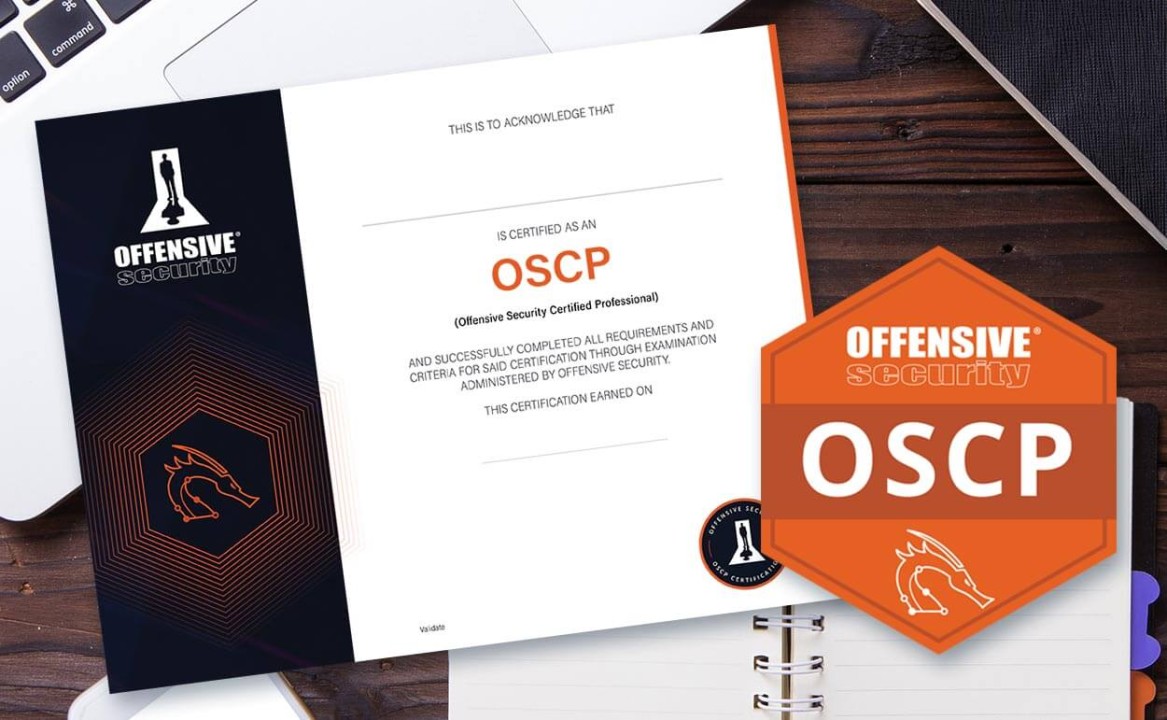
Top certifications for penetration testing professionals include Certified Ethical Hacker (CEH) and Offensive Security Certified Professional (OSCP). These credentials enhance skills and marketability in cybersecurity.
Top Certifications for Penetration Testing Pros:Penetration testing is crucial in identifying vulnerabilities in systems and networks. As cyber threats grow, professionals must equip themselves with relevant skills and certifications. Various programs offer specialized training to ensure mastery of penetration testing techniques. Choosing the right certification can significantly impact your career trajectory.
Certifications like CEH and OSCP not only validate expertise but also open doors to advanced job opportunities. Employers increasingly seek certified professionals to protect their organizations from cyber risks. Investing in these certifications can lead to better job prospects and increased earning potential in the cybersecurity field.

Credit: www.infosecinstitute.com
Introduction To Penetration Testing
Penetration testing, or pen testing, is a crucial part of cybersecurity. It involves simulating attacks on systems to find vulnerabilities. Companies use these tests to protect their data and networks. Skilled professionals conduct these tests to identify weaknesses before hackers do.
The Role Of Pen Testing In Cybersecurity
Pen testing plays a vital role in maintaining strong security. Here are key functions:
- Identifying Vulnerabilities: Tests reveal system weaknesses.
- Improving Security Measures: Findings help strengthen defenses.
- Compliance: Many industries require regular pen tests for standards.
- Risk Management: Helps organizations understand potential threats.
Pen testers simulate real-world attacks. They use various tools and techniques. This helps organizations stay one step ahead of cybercriminals.
Qualities Of A Skilled Penetration Tester
A successful penetration tester possesses several key qualities:
| Quality | Description |
|---|---|
| Technical Skills | Knowledge of networks, systems, and programming. |
| Problem-Solving | Ability to think critically and creatively. |
| Attention to Detail | Noticing small issues can prevent big problems. |
| Communication | Clearly presenting findings to technical and non-technical teams. |
| Ethical Mindset | Following laws and guidelines while testing. |
These qualities ensure that pen testers can effectively protect organizations. Their work is vital for a safe digital environment.
The Value Of Certifications In Pen Testing
Certifications in penetration testing hold significant value for professionals. They validate skills and knowledge in cybersecurity. Employers often seek certified individuals for their expertise. Certifications demonstrate commitment to the field. They also enhance credibility and trustworthiness.
Boosting Career Prospects
Certifications can greatly boost career prospects in penetration testing. Here are some key benefits:
- Higher Salary: Certified professionals often earn more.
- Job Opportunities: Many companies prefer certified candidates.
- Advancement: Certifications can lead to promotions.
Many employers view certifications as a benchmark for skills. They indicate a level of dedication and expertise. Here is a table of popular certifications:
| Certification | Provider | Focus Area |
|---|---|---|
| CEH | EC-Council | Ethical Hacking |
| OSCP | Offensive Security | Penetration Testing |
| CPT | CompTIA | Penetration Testing |
Staying Current With Security Trends
Cybersecurity is always changing. New threats emerge daily. Certifications help professionals stay up to date. They cover the latest tools and techniques. Regular training is essential for effective performance.
Many certification programs offer ongoing education. This ensures skills remain relevant. Here are some ways certifications help:
- Access to Resources: Certified individuals often receive exclusive materials.
- Networking Opportunities: Join communities of other certified professionals.
- Workshops and Seminars: Participate in events focused on the latest trends.
Engaging with these resources keeps skills sharp. It prepares professionals for evolving challenges.
Certified Ethical Hacker (ceh)
The Certified Ethical Hacker (CEH) is a key certification for penetration testing professionals. It validates skills in identifying and addressing security vulnerabilities. This certification is highly respected in the cybersecurity community.
Overview Of Ceh Certification
The CEH certification focuses on ethical hacking techniques. It covers various topics that include:
- Network Security
- System Security
- Web Application Security
- Malware Threats
To earn the CEH certification, candidates must pass the CEH exam. The exam consists of 125 multiple-choice questions. Candidates have four hours to complete it.
| Exam Details | Information |
|---|---|
| Number of Questions | 125 |
| Duration | 4 hours |
| Passing Score | 60% |
Career Paths With Ceh
Earning the CEH certification opens many career doors. Some common roles include:
- Penetration Tester
- Security Analyst
- Information Security Manager
- Network Security Engineer
These roles offer competitive salaries and growth opportunities. The demand for certified professionals is increasing. Companies seek experts to protect their systems from attacks.
CEH certification enhances credibility. It shows employers that candidates possess essential skills. This certification can lead to job promotions and higher pay.
Credit: www.blazeinfosec.com
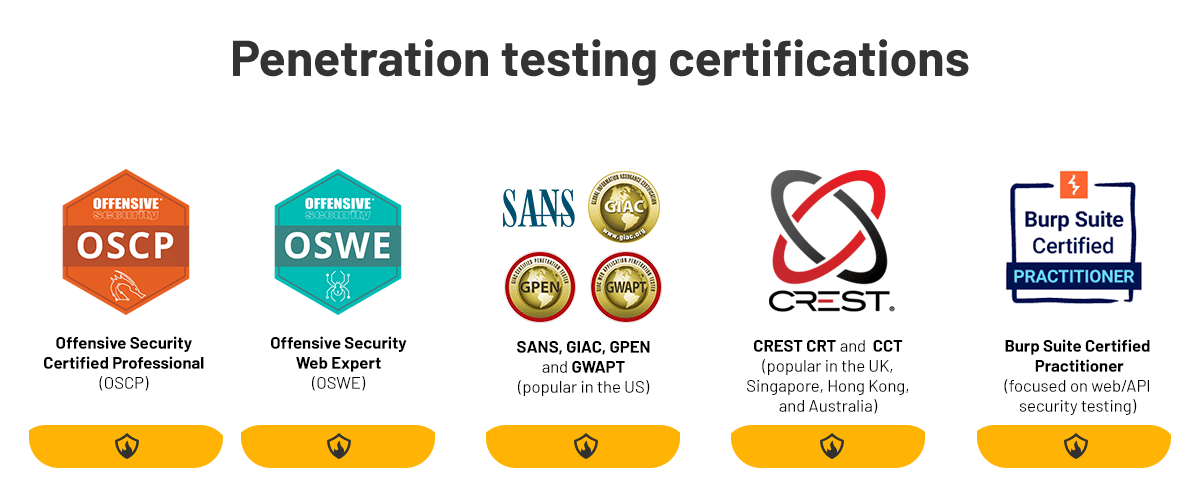
Offensive Security Certified Professional (oscp)
The Offensive Security Certified Professional (OSCP) is a well-respected certification in the field of penetration testing. It is designed for professionals who want to demonstrate their skills in real-world hacking scenarios. This hands-on certification focuses on practical skills rather than theoretical knowledge. Candidates must complete a challenging exam that tests their abilities to exploit vulnerabilities in various systems.
Challenges Of Oscp Certification
Preparing for the OSCP certification is not easy. Candidates face several challenges:
- Time Commitment: The course requires significant study time.
- Hands-On Practice: Real-world scenarios demand practical experience.
- Exam Pressure: The exam lasts 24 hours, adding stress.
- Complexity: Topics range from networking to exploitation techniques.
Benefits Of An Oscp Credential
Obtaining the OSCP credential offers many advantages:
| Benefit | Description |
|---|---|
| Industry Recognition | OSCP is highly respected in cybersecurity. |
| Skill Validation | Proves your practical penetration testing skills. |
| Career Opportunities | Opens doors to advanced roles in cybersecurity. |
| Networking | Connects you with a community of professionals. |
The OSCP credential boosts your resume. Employers value hands-on experience. This certification helps in career advancement. It also enhances your reputation in the cybersecurity field.