

Creating a custom Shopify theme without coding is possible using user-friendly tools. Platforms like Shopify’s Theme Editor and third-party apps allow for extensive customization.
Shopify has revolutionized e-commerce, making it accessible for everyone. Customizing your online store enhances branding and improves user experience. Many users fear coding is necessary for a unique design. Fortunately, various tools enable you to craft a personalized theme easily.
With a little creativity, you can modify layouts, colors, and fonts without technical skills. This guide explores effective methods to help you create an eye-catching Shopify theme. Dive into user-friendly options that empower you to express your brand’s identity, attract customers, and drive sales—all while avoiding the complexities of coding. Get ready to transform your store!
Introduction To Shopify Themes
Shopify themes are essential for online stores. They define how your store looks and feels. A well-designed theme attracts customers. It enhances user experience and boosts sales.
The Role Of Themes In E-commerce Success
Themes play a crucial role in e-commerce. They influence first impressions. A visually appealing theme can:
- Increase user engagement
- Enhance brand credibility
- Boost conversion rates
Shopify offers numerous themes. Some are free, while others are paid. Choose a theme that fits your brand. This choice impacts your online presence significantly.
Advantages Of Custom Themes For Brand Identity
Custom themes help create a unique brand identity. They allow full control over design and functionality. Here are key benefits of custom themes:
| Benefit | Description |
|---|---|
| Brand Recognition | Custom themes reflect your brand’s personality. |
| Flexibility | Modify elements to meet specific needs. |
| Improved User Experience | Tailor the navigation for easier shopping. |
Investing in a custom theme builds trust. Customers feel more comfortable shopping with a unique design.

Credit: www.shopify.com
Preparation: Understanding Your Brand And Audience
Creating a custom Shopify theme starts with preparation. Understanding your brand and audience is essential. This knowledge guides design choices and enhances user experience.
Defining Your Brand Aesthetics
Brand aesthetics shape how customers perceive your business. Focus on these key elements:
- Color Palette: Choose colors that reflect your brand identity.
- Typography: Select fonts that align with your brand voice.
- Imagery: Use images that tell your brand story.
Create a mood board to visualize these elements. This tool helps align your design with your brand’s message. Consistency in aesthetics builds trust and recognition.
Analyzing Your Target Audience
Understanding your audience is crucial for effective design. Start by answering these questions:
- Who are your ideal customers?
- What are their interests and needs?
- How do they shop online?
Gather data through surveys and social media insights. Identify common traits within your audience. Use this information to tailor your theme to their preferences.
Consider the following factors:
| Factor | Description |
|---|---|
| Age Group | Understand the age range of your customers. |
| Gender | Identify the gender distribution in your audience. |
| Location | Determine where your customers are located. |
| Shopping Preferences | Know how they prefer to shop online. |
Using this data helps create a user-friendly theme. A well-designed theme attracts and retains customers.
Theme Customization Tools: A Primer
Creating a custom Shopify theme can seem challenging. Thankfully, various tools make it easier. These tools help users design their online store without any coding skills.
Shopify Theme Editor: Features And Functions
The Shopify Theme Editor is a powerful tool. It allows users to customize their store’s look and feel.
- Drag-and-Drop Interface: Arrange elements easily.
- Live Preview: See changes in real-time.
- Sections and Blocks: Add, remove, or rearrange sections.
- Color Customization: Choose colors that match your brand.
- Font Selection: Pick fonts that enhance readability.
These features make it simple to create a unique store. You can adjust layouts without needing coding knowledge.
Third-party Theme Builders
Third-party theme builders offer even more customization options. They come with additional features that enhance the Shopify experience.
| Theme Builder | Key Features | Pricing |
|---|---|---|
| PageFly | Advanced drag-and-drop editor | Starts at $19/month |
| Shogun | Landing page builder | Starts at $39/month |
| GemPages | Customizable templates | Starts at $15/month |
These builders offer flexibility. Users can create landing pages, product pages, and more. No coding is needed to use these tools.
- Integrate apps easily.
- Use pre-made templates.
- Access customer support.
With these tools, anyone can design a professional-looking Shopify store.
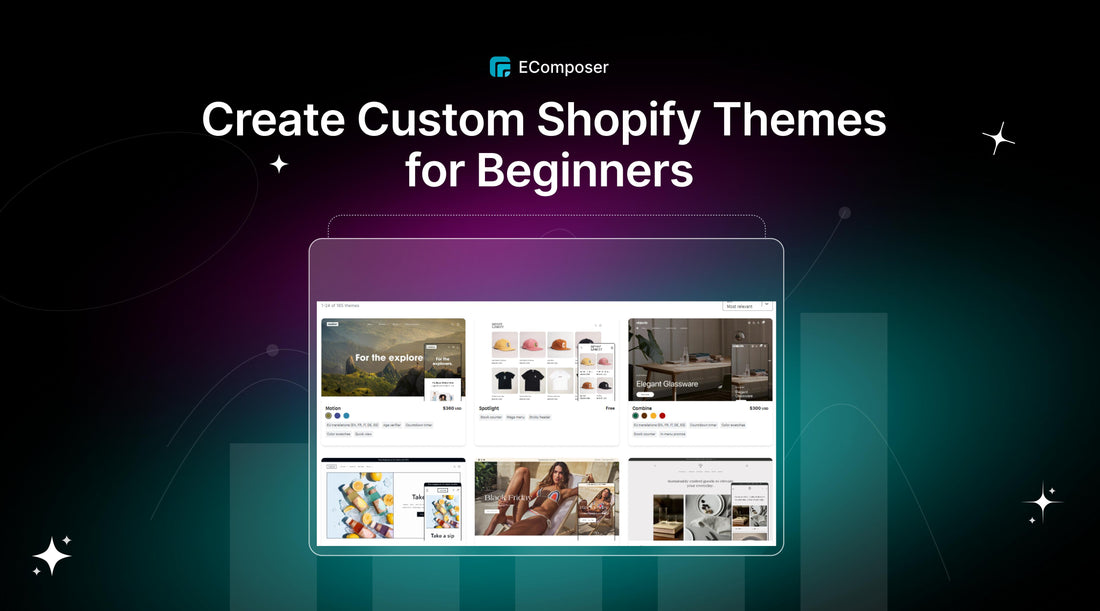
Credit: ecomposer.io
Choosing The Right Base Theme
Choosing the right base theme is crucial for your Shopify store. A good theme sets the tone for your brand. It enhances user experience and improves sales. Start by understanding your business needs. Then, find a theme that matches those needs. Consider both free and premium options. Each has its benefits and drawbacks.
Popular Free And Premium Themes
Many themes are available for Shopify. Here are some popular options:
| Theme Name | Type | Price |
|---|---|---|
| Debut | Free | Free |
| Brooklyn | Free | Free |
| Impulse | Premium | $180 |
| Warehouse | Premium | $180 |
Free themes are great for beginners. They offer basic features and easy customization. Premium themes provide advanced options. They may also include better support and updates.
Evaluating Themes For Your Business
Choosing a theme involves evaluating several factors:
- Design: Does it match your brand’s style?
- Features: Does it offer the tools you need?
- Mobile Responsiveness: Is it optimized for mobile devices?
- Loading Speed: Does it load quickly?
- Customer Support: Is help available when needed?
Consider these points while evaluating:
- Check the theme’s demo. Test its features.
- Read user reviews. Look for common praises or complaints.
- Assess compatibility with apps you plan to use.
- Determine customization options. Ensure they are user-friendly.
Taking time to evaluate themes will pay off. A good base theme can make your store stand out.
Customizing Layouts And Navigation
Creating a custom Shopify theme empowers you to tailor your store’s look and feel. Adjusting layouts and navigation is key to enhancing user experience. This section covers how to simplify layouts and create intuitive navigation.
Simplifying User Experience
A clear layout boosts user experience. Visitors should find what they need quickly. Here are some tips:
- Use white space wisely.
- Group related items together.
- Limit choices on each page.
Consider a grid layout for product displays. This layout helps users browse easily.
| Layout Type | Benefits |
|---|---|
| Grid Layout | Easy browsing, clear visuals |
| List Layout | More detail, simple viewing |
Creating Intuitive Navigation
Simple navigation helps customers find products fast. Use these strategies:
- Limit menu items to essential categories.
- Use descriptive labels for each menu item.
- Include a search bar for quick access.
Sticky navigation bars keep menus visible. This feature helps users navigate easily.
Use breadcrumb trails to show users their path. This makes returning to previous pages simple.
Remember, testing navigation improves usability. Gather feedback and make necessary changes.
Visual Branding Without Coding
Creating a stunning Shopify store is easy. You can achieve this without coding. Visual branding is key to attracting customers. It helps your store stand out. Use colors, fonts, and images wisely.
Selecting Color Schemes And Fonts
Colors and fonts create the first impression. Choose a color scheme that reflects your brand. Use tools like Adobe Color or Coolors. They help you find the perfect palette.
- Primary Color: Main color for your brand.
- Secondary Color: Complements the primary color.
- Accent Color: Adds contrast and highlights.
Select fonts that fit your brand style. Consider readability and aesthetics. Use Google Fonts for free options. Pair a bold header font with a simple body font.
| Font Type | Best For |
|---|---|
| Sans Serif | Modern, Clean Look |
| Serif | Classic, Elegant Feel |
| Display | Creative, Unique Designs |
Incorporating Logos And Images
Your logo is your brand’s face. Use high-quality images for your logo. Make sure it is clear and recognizable. Place it prominently on your store.
Images tell a story. Use images that connect with your audience. Avoid stock photos that feel generic. Consider using real photos of your products.
- Image Types:
- Product Images
- Lifestyle Images