
Top Cybersecurity Threats to Watch Out for in 2024: Stay Safe!

Published:

Updated:

Top Cybersecurity Threats to Watch Out for in 2024

Disclaimer

As an affiliate, we may earn a commission from qualifying purchases. We get commissions for purchases made through links on this website from Amazon and other third parties.

Spread the love

Top cybersecurity threats to watch out for in 2024 include advanced ransomware attacks and sophisticated phishing schemes. Organizations must prioritize proactive measures to mitigate these risks effectively.

As technology evolves, so do the tactics of cybercriminals. In 2024, businesses and individuals face an increasingly complex landscape of cybersecurity threats. Ransomware attacks are becoming more advanced, targeting critical infrastructures and demanding hefty ransoms. Phishing scams are also evolving, leveraging AI to craft more convincing messages.

The rise of IoT devices creates additional vulnerabilities, making it easier for hackers to infiltrate networks. With these challenges on the horizon, understanding these threats is essential. Staying informed and implementing robust security measures will help protect sensitive data and maintain trust in digital interactions. Prioritizing cybersecurity is no longer optional; it’s a necessity for survival in today’s digital world.

Emerging Cybersecurity Threats In 2024

The digital landscape is changing rapidly. New threats emerge every year. In 2024, cybersecurity will face unique challenges. Understanding these threats is crucial for protection.

Sophisticated Phishing Tactics

Phishing remains a top threat. Attackers use clever tricks to deceive people. They create fake emails and websites that look real. Many people fall for these scams.

In 2024, phishing tactics will evolve. Here are some key trends:

  • Personalization: Attackers will use personal information.
  • Deepfakes: Fake videos and audio will mislead users.
  • Urgency: Messages will create a sense of panic.

Watch for signs of phishing:

  1. Check for spelling errors.
  2. Look for strange email addresses.
  3. Verify links before clicking.

Ai-powered Attacks

Artificial Intelligence (AI) transforms cybersecurity threats. Hackers will use AI tools to enhance their attacks. These tools can analyze data faster than humans.

AI-powered attacks can include:

  • Automated Phishing: AI generates believable emails.
  • Malware Evolution: AI helps create smarter malware.
  • Data Breaches: AI identifies weak spots in networks.

To combat AI attacks, companies should:

  1. Invest in AI-driven security solutions.
  2. Train staff on recognizing AI threats.
  3. Regularly update security protocols.

Ransomware Evolution

Ransomware attacks are changing fast. Cybercriminals adapt to new technologies. They find new ways to target victims. This evolution is alarming. Organizations must stay informed about these threats.

Targeting Iot Devices

The Internet of Things (IoT) is growing quickly. Many devices connect to the internet. These include smart home gadgets, industrial tools, and healthcare devices.

Cybercriminals see IoT devices as easy targets. They often lack proper security. Hackers can access these devices and spread ransomware.

  • Smart Cameras: Can be hacked to record sensitive information.
  • Smart Thermostats: May provide entry points for attackers.
  • Wearable Devices: Can leak health data, making users vulnerable.

Protecting IoT devices is crucial. Strong passwords and regular updates help. Use a separate network for IoT devices. This limits damage if a device gets hacked.

Double Extortion Schemes

Double extortion is a new tactic. Hackers not only encrypt data but also steal it. They demand ransom for both restoring data and keeping it private.

This method increases pressure on victims. Organizations face threats of data leaks. They must deal with potential reputational damage.

Step Description
1 Hackers breach a system and steal data.
2 Data is encrypted, making it inaccessible.
3 Victims receive ransom demands.
4 Failure to pay risks data exposure.

Organizations must prepare for this threat. Regular data backups and strong security measures help. Employees should be trained to recognize phishing attempts.

The Rise Of Deepfakes

The year 2024 sees a surge in the use of deepfake technology. This technology creates realistic fake videos or audio. It can imitate anyone’s appearance or voice. The ease of access to deepfake tools raises serious concerns.

Cybercriminals can use deepfakes for malicious purposes. These include spreading false information or committing fraud. Understanding the implications of deepfakes is crucial for safety.

Implications For Identity Fraud

Deepfakes pose significant risks for identity fraud. Criminals can create fake videos of individuals. These fakes can be used to manipulate people and institutions.

  • Fake videos can mislead organizations.
  • People might lose trust in online content.
  • Financial losses can occur due to fraud.

Individuals and businesses must stay alert. Protecting personal data is essential to avoid falling victim.

Challenges In Detection

Detecting deepfakes is becoming increasingly difficult. Traditional methods may not work effectively. Here are some challenges:

Challenge Description
Rapid Advancement Deepfake technology evolves quickly, making detection harder.
Cost of Detection Tools High-quality detection tools can be expensive.
Public Awareness Many people are unaware of deepfake risks.

Investing in detection technology is crucial. Educating the public can also help reduce risks. Awareness is key in combating this emerging threat.
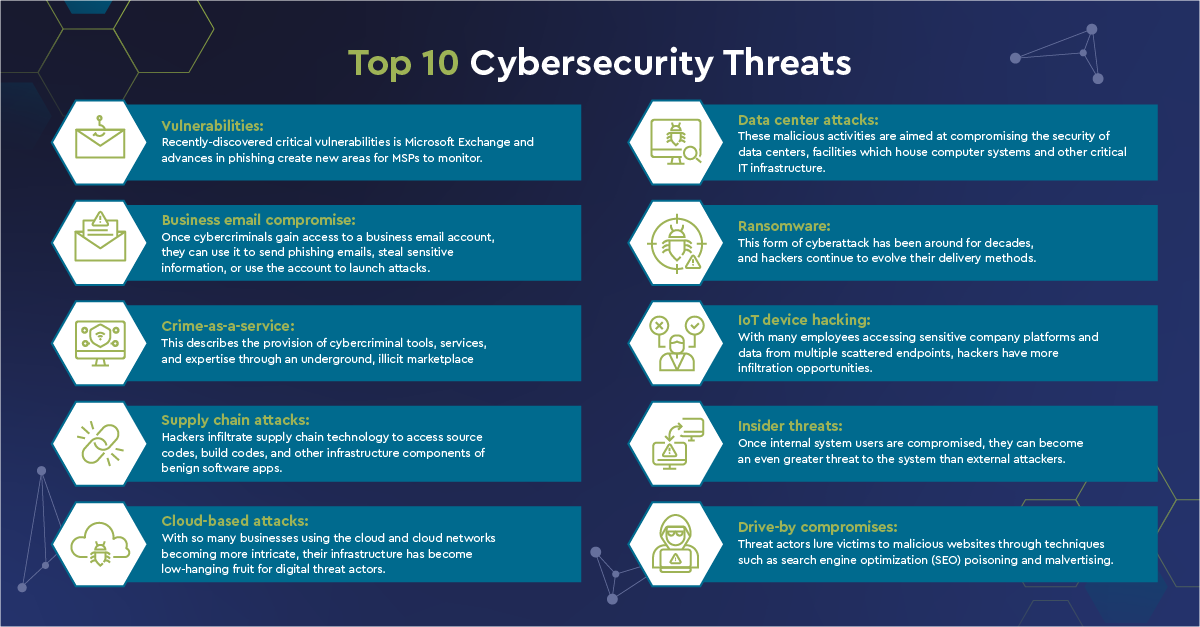
Top Cybersecurity Threats to Watch Out for in 2024: Stay Safe!

Credit: www.connectwise.com

State-sponsored Attacks

State-sponsored attacks are a significant threat in 2024. These attacks occur when governments support cyber activities against other nations. They aim for political, economic, or strategic gains. Understanding these threats is crucial for organizations and individuals alike.

Political Espionage

Political espionage involves stealing sensitive information from governments. Hackers often target:

  • Diplomatic communications
  • Election data
  • Government policies

These attacks can affect national security. They undermine trust in political systems. Countries may use advanced techniques like:

  1. Phishing emails
  2. Malware attacks
  3. Social engineering tactics

Economic Sabotage

Economic sabotage targets a nation’s economy. Cybercriminals aim to disrupt businesses and infrastructure. This can lead to:

  • Data theft
  • Service disruptions
  • Financial losses

Common methods include:

Method Description
Ransomware Encrypts data and demands payment for access.
Denial-of-Service (DoS) Overloads a system, making it unavailable.
Supply Chain Attacks Targets third-party vendors to access larger networks.

These actions can destabilize economies. Nations must strengthen their defenses to combat these threats.

Supply Chain Vulnerabilities

Supply chain vulnerabilities are a growing concern in cybersecurity. Cybercriminals exploit weak links in the supply chain. These attacks can impact multiple organizations at once. Companies must understand these threats to protect themselves.

Compromised Software Updates

Software updates are vital for security. However, they can also be a gateway for attacks. Hackers target software providers to deliver malicious updates. Here are key points to consider:

  • Ensure updates come from trusted sources.
  • Check for signs of tampering in update files.
  • Utilize automated tools to verify updates.

Organizations should implement strict controls. Monitor software development practices to reduce risk. Regular audits can identify potential vulnerabilities.

Third-party Risks

Third-party vendors pose significant risks. A weak security posture in one vendor can expose many others. Understanding these risks is essential for businesses. Key risks include:

Risk Factor Description
Vendor Security Vendors may not follow strict security protocols.
Access Control Third parties may have excessive access to systems.
Data Sharing Data shared with vendors can be vulnerable to breaches.

Businesses should conduct thorough assessments of third parties. Regular training and awareness programs can strengthen defenses. Establish clear contracts with security requirements for vendors.

Top Cybersecurity Threats to Watch Out for in 2024: Stay Safe!

Credit: reverus.com

Cloud Security Breaches

Cloud security breaches pose serious risks for businesses in 2024. As companies move more data online, attackers target cloud systems. Understanding the key threats helps protect valuable information.

Misconfigurations And Weaknesses

Misconfigurations are common issues in cloud security. They happen when settings are not correctly adjusted. This can lead to unauthorized access.

  • Default settings often remain unchanged.
  • Access controls may not be properly set.
  • Inadequate monitoring can overlook security gaps.

Weaknesses in cloud services can also expose data. Organizations must regularly review configurations. Proper training for IT staff is essential.

Data Loss And Leakage

Data loss occurs when important information is deleted or corrupted. This can happen due to various reasons:

  1. Human error
  2. Malware attacks
  3. Hardware failures

Data leakage involves sensitive information being exposed. This can lead to serious consequences for businesses:

  • Loss of customer trust
  • Legal penalties
  • Financial losses

Implementing strong encryption and access controls helps prevent these issues. Regular backups are crucial for data recovery.

Threat Type Impact Prevention
Misconfigurations Unauthorized access Regular audits
Data Loss Information loss Frequent backups
Data Leakage Exposure of sensitive data Encryption

Mobile Device Threats

Mobile devices are a major target for cybercriminals. They hold valuable data like personal info, banking details, and passwords. As 2024 approaches, users must stay aware of growing threats. Let’s explore key dangers related to mobile devices.

Insecure Apps And Networks

Many users download apps without checking their security. This can lead to severe vulnerabilities.

  • Insecure Apps: Unverified apps may contain malware.
  • Public Wi-Fi: Using public networks can expose data.
  • Data Leakage: Apps may access more data than necessary.

Always check app permissions before downloading. Use secure networks to protect your information.

Endpoint Security Gaps

Endpoint devices are often weak links in security. These devices include smartphones and tablets.

Threat Description
Unpatched Software Outdated software can leave devices vulnerable.
Lost or Stolen Devices Physical loss exposes sensitive data to thieves.
Unauthorized Access Weak passwords can be easily guessed.

Regular updates can fix security holes. Use strong passwords and enable two-factor authentication.

Critical Infrastructure At Risk

The world depends on critical infrastructure. This includes energy, transportation, and more. Cybersecurity threats to these sectors can cause major disruptions. In 2024, these risks are growing. Organizations must stay alert to protect vital systems.

Energy Sector Targets

The energy sector faces significant threats in 2024. Cyberattacks can disrupt power supplies and cause blackouts. Hackers often target:

  • Power Plants: Attacks can shut down operations.
  • Smart Grids: Vulnerabilities can lead to data breaches.
  • Oil and Gas Facilities: Threats can cause operational delays.

Recent incidents highlight the danger. For example, a major power grid attack left thousands without electricity. Companies must invest in strong defenses.

Threat Impact Prevention
Ransomware System shutdowns Regular backups
Phishing Data theft Employee training
Denial of Service Service interruption Network monitoring

Transportation Network Vulnerabilities

Transportation networks are also vulnerable in 2024. Cyber threats can disrupt logistics and safety. Key areas of concern include:

  1. Air Traffic Control: Attacks can disrupt flight operations.
  2. Rail Systems: Hackers can compromise train safety.
  3. Logistics Software: Cyberattacks can delay shipments.

Recent events show how serious these threats can be. A cyberattack on a major airline grounded flights worldwide. Protecting these systems is crucial for public safety.

Quantum Computing And Encryption

Quantum computing is changing the landscape of cybersecurity. It can break current encryption methods. This raises concerns for data protection. As quantum technology advances, organizations must adapt.

Future Cryptography Challenges

Quantum computers use qubits. They can process information much faster than traditional computers. This speed poses serious risks to encryption.

  • Public key encryption: Many systems rely on this method. Quantum computers can crack it easily.
  • Symmetric encryption: While stronger, it still faces challenges. Quantum algorithms can reduce security time.
  • Hash functions: Used for data integrity. Quantum attacks could find collisions quickly.

New cryptographic methods are necessary to stay secure. The focus is on post-quantum cryptography. This aims to protect data against quantum threats.

Preparing For Quantum Attacks

Organizations must take steps now. Here are ways to prepare:

  1. Assess current encryption: Identify vulnerabilities in your systems.
  2. Invest in research: Explore post-quantum encryption solutions.
  3. Update policies: Ensure cybersecurity policies include quantum threats.
  4. Educate staff: Training can prevent breaches caused by human error.

Collaboration is essential. Work with experts in quantum security. Staying informed is key to safeguarding data.

Encryption Type Vulnerability Post-Quantum Solution
Public Key High Quantum-resistant algorithms
Symmetric Key Moderate Longer key lengths
Hash Functions High New hash algorithms

The Human Factor

The human factor remains a critical element in cybersecurity.
People often make mistakes or act maliciously.
Understanding these threats helps organizations protect their data.
Two main areas of concern are insider threats and social engineering.

Insider Threats

Insider threats are risks from people within an organization.
They can be employees, contractors, or business partners.
These individuals may intentionally or unintentionally cause harm.
Common types include:

  • Malicious insiders: Individuals who steal data or sabotage systems.
  • Negligent insiders: Employees who ignore security protocols.
  • Credential misuse: Using someone else’s login details.

Organizations must monitor user activity closely.
Regular training can reduce insider threats.
Here are some strategies to consider:

  1. Conduct background checks on employees.
  2. Implement strict access controls.
  3. Use monitoring software to track user behavior.

Social Engineering

Social engineering tricks individuals into revealing sensitive information.
Attackers manipulate emotions and build trust.
Common tactics include:

  • Phishing: Fake emails that appear legitimate.
  • Pretexting: Creating a false scenario to gain information.
  • Baiting: Offering something enticing to lure victims.

Awareness is key to combat social engineering.
Regular training sessions can educate employees.
Here are some tips to avoid falling victim:

  1. Verify unexpected requests for sensitive information.
  2. Use multi-factor authentication.
  3. Report suspicious emails or messages immediately.

Regulatory And Compliance Changes

Cybersecurity is evolving fast. New regulations shape how businesses protect data. In 2024, companies must adapt to stay safe and compliant. Ignoring these changes can lead to costly penalties. Understanding new laws is key for success.

Global Privacy Laws

Countries are introducing strict privacy laws. These laws aim to protect personal information. Businesses must know these regulations to avoid fines. Here are some important global privacy laws:

Country Law Key Points
European Union GDPR Strong data protection rights for individuals.
United States CCPA Gives Californians rights over personal data.
Brazil LGPD Regulates personal data processing in Brazil.
Canada PIPEDA Controls how businesses collect and use data.

Global privacy laws share common themes. They focus on transparency, user consent, and data protection. Businesses must ensure compliance to avoid risks. Non-compliance can damage reputation and finances.

Industry-specific Guidelines

Different industries face unique compliance requirements. These guidelines help secure sensitive information. Businesses must be aware of these industry standards:

  • Healthcare: HIPAA protects patient data.
  • Finance: GLBA ensures data privacy for consumers.
  • Retail: PCI DSS secures credit card transactions.
  • Education: FERPA protects student information.

Each industry has its own rules. Following these guidelines is essential. Companies should invest in training and resources. This ensures all employees understand compliance. Ignoring industry-specific guidelines can lead to severe penalties.

Top Cybersecurity Threats to Watch Out for in 2024: Stay Safe!

Credit: www.linkedin.com

Proactive Cybersecurity Strategies

In 2024, businesses must focus on proactive cybersecurity strategies. These strategies help prevent cyber threats before they can cause harm. Organizations can reduce risks by being prepared and vigilant. Let’s explore two key strategies: employee training and Zero Trust models.

Investing In Employee Training

Employees are often the first line of defense against cyber threats. Investing in employee training is crucial. Here are some effective ways to implement this:

  • Conduct regular security awareness programs.
  • Use real-life scenarios to teach employees.
  • Encourage reporting suspicious activities.
  • Offer rewards for good security practices.

Training should cover:

Training Topic Description
Phishing Awareness Recognize fake emails and links.
Password Management Create strong passwords and change them regularly.
Safe Browsing Understand safe web practices.
Data Protection Learn to handle sensitive information securely.

Adopting Zero Trust Models

The Zero Trust model operates on the principle of “never trust, always verify.” This approach minimizes risks. Here’s how to adopt it:

  1. Identify sensitive data and assets.
  2. Segment networks to limit access.
  3. Implement strict access controls.
  4. Use continuous monitoring to detect threats.

Zero Trust requires:

  • Multi-factor authentication (MFA).
  • Regular updates and patches for software.
  • Robust security policies across the organization.

By implementing these proactive strategies, organizations can better protect themselves in 2024.

Frequently Asked Questions

What Are The Main Cybersecurity Threats In 2024?

In 2024, the primary cybersecurity threats include ransomware attacks, phishing schemes, and supply chain vulnerabilities. These threats are evolving rapidly, making it crucial for individuals and businesses to stay informed. Proactive measures and updated security protocols can help mitigate these risks effectively.

How Can I Protect Against Cyber Threats?

To protect against cyber threats, regularly update software and use strong passwords. Implement multi-factor authentication and conduct regular security audits. Educating employees about cybersecurity best practices is also essential. Staying vigilant can significantly reduce the risk of falling victim to cyber attacks.

What Is The Impact Of Ransomware In 2024?

Ransomware continues to be a significant threat in 2024. Attackers are increasingly targeting critical infrastructure and demanding hefty ransoms. The financial losses can be devastating, affecting both operations and reputation. Businesses must prioritize robust backup systems and incident response plans to combat this threat.

Are Small Businesses At Risk From Cyber Threats?

Yes, small businesses are increasingly targeted by cyber threats. They often lack the resources for advanced security measures, making them easier targets. Cybercriminals exploit this vulnerability, leading to significant financial and operational damage. Small businesses should invest in cybersecurity training and tools to safeguard their assets.

Conclusion

Cybersecurity threats are evolving rapidly. Staying informed is crucial for individuals and organizations alike. By understanding these potential risks, you can better prepare and protect your digital assets. Prioritizing cybersecurity measures will not only safeguard your information but also enhance your overall online experience in 2024 and beyond.

Stay vigilant and proactive.

About the author

Leave a Reply

Your email address will not be published. Required fields are marked *

Latest Posts

  • Norton 360 Deluxe 2025 Review: Comprehensive Protection in a Digital Age!

    Norton 360 Deluxe 2025 Review: Comprehensive Protection in a Digital Age!

    Spread the loveIn an era where cyber threats evolve faster than ever, choosing the right antivirus software is crucial for safeguarding your digital life. Norton 360 Deluxe 2025 stands out as a robust all-in-one security suite from Gen Digital (formerly Symantec), designed to protect up to five devices across Windows, macOS, Android, and iOS platforms.

    Read more

  • Norton 360 Premium Antivirus Software Review: Comprehensive Analysis for 2025!

    Norton 360 Premium Antivirus Software Review: Comprehensive Analysis for 2025!

    Spread the loveIn an era where cyber threats are increasingly sophisticated, choosing the right antivirus software is critical for safeguarding personal and professional data. Norton 360 Premium, a flagship product from NortonLifeLock, is a robust security suite designed to protect up to 10 devices with a comprehensive set of features, including antivirus protection, VPN, dark

    Read more

  • Best Mobile Apps for Productivity And Time Management in 2025: Unlock Efficiency!

    Best Mobile Apps for Productivity And Time Management in 2025: Unlock Efficiency!

    Spread the loveThe best mobile apps for productivity and time management in 2024 include Todoist, Notion, and Trello. These tools streamline tasks and enhance focus. As the fast-paced world of 2024 unfolds, staying productive and managing time effectively becomes essential. Mobile apps designed for this purpose offer innovative features to help users stay organized and

    Read more