
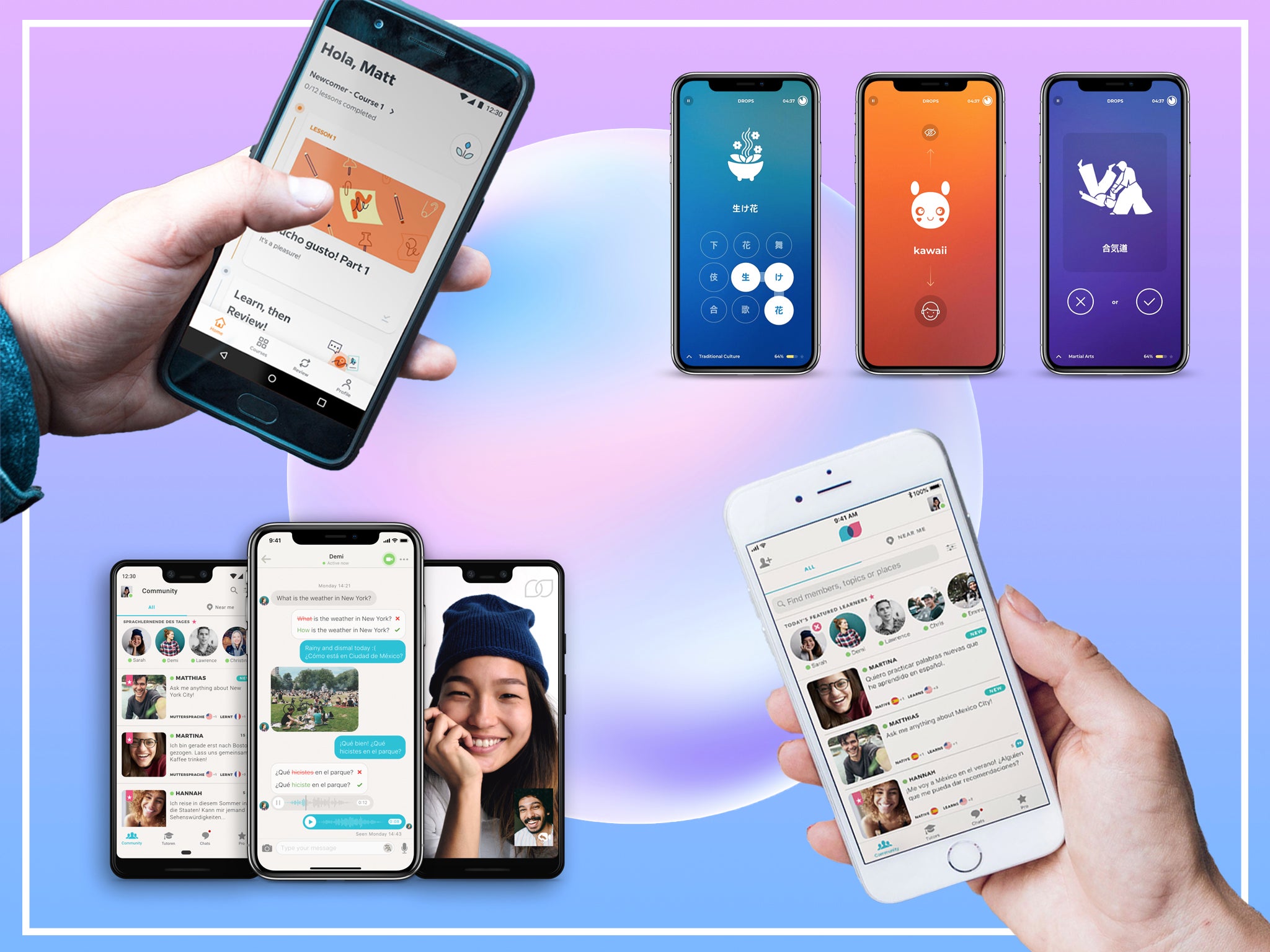
The best mobile apps for learning new skills and languages include Duolingo, Skillshare, and Coursera. These platforms offer diverse courses tailored to various interests and proficiency levels.
Learning new skills and languages can enhance personal and professional growth. With the rise of mobile technology, numerous apps make this process easier and more enjoyable. These apps cater to a range of learning styles, allowing users to progress at their own pace.
From language acquisition to creative skills, many options are available to fit any schedule. Engaging with these tools not only fosters knowledge but also builds confidence. Whether you’re a beginner or looking to refine your expertise, the right app can make a significant difference in your learning journey.
Introduction To Mobile Learning
Mobile learning is changing how people acquire new skills. With smartphones and tablets, learning is more accessible. Students can learn anytime, anywhere. This flexibility makes education enjoyable and effective.
The Rise Of E-learning
E-learning has gained popularity over the past decade. More people choose online courses. Traditional classrooms are not the only option anymore.
- Convenience: Learn at your own pace.
- Variety: Choose from numerous subjects.
- Cost-effective: Many apps offer free courses.
- Interactive: Engaging content keeps learners motivated.
Mobile apps play a significant role in this growth. They provide instant access to lessons. Users can practice skills anytime.
Benefits Of Mobile Apps In Education
Mobile apps offer many advantages for learners. Here are some key benefits:
| Benefit | Description |
|---|---|
| Flexibility | Learn whenever and wherever you want. |
| Engagement | Interactive features keep users interested. |
| Accessibility | Available for everyone with a smartphone. |
| Customizable | Personalize your learning experience. |
Users can track their progress easily. Many apps also offer quizzes and games. This keeps learning fun and effective.
- Social features connect learners.
- Instant feedback improves understanding.
- Offline access allows learning without the internet.
Credit: www.goodbarber.com
Criteria For Choosing Learning Apps
Choosing the right learning app is crucial for effective skill development. The right app can make learning enjoyable and productive. Consider these key criteria to find the best options.
User Experience And Design
A good app should be easy to use. Users often abandon apps that are confusing or cluttered. Here are important aspects to consider:
- Intuitive Navigation: Users should find what they need quickly.
- Visual Appeal: Clean design keeps users engaged.
- Responsive Design: Works well on all devices.
- Accessibility: Options for all skill levels.
Check reviews for user feedback on design. A well-designed app enhances the learning experience.
Content Quality And Expertise
The content quality defines the learning experience. High-quality content leads to better understanding. Consider these factors:
| Factor | Importance |
|---|---|
| Expertise of Instructors | High; ensures reliable information |
| Content Variety | Medium; caters to different learning styles |
| Regular Updates | High; keeps information current |
| User Feedback | Medium; helps improve content |
Look for apps that offer well-structured courses. Quality content leads to effective learning.
Top Language Learning Apps
Learning a new language has never been easier. Many mobile apps help you master vocabulary, grammar, and writing. These apps are fun and interactive. They make language learning enjoyable and effective. Here are the best apps for language learners.
Apps For Vocabulary Expansion
Building a strong vocabulary is essential. Here are some top apps for vocabulary expansion:
- Memrise: Uses fun games and spaced repetition.
- Anki: A flashcard app that adapts to your learning pace.
- Quizlet: Offers customizable flashcards and quizzes.
- Babbel: Focuses on practical vocabulary for real-life situations.
| App Name | Features |
|---|---|
| Memrise | Games, spaced repetition, and native speaker videos. |
| Anki | Customizable flashcards, algorithm-based learning. |
| Quizlet | Custom quizzes, study modes, and shared sets. |
| Babbel | Real-world conversation focus, interactive dialogues. |
Grammar And Writing Focused Apps
Understanding grammar is key to fluency. Here are some excellent apps for grammar and writing:
- Grammarly: Checks grammar, punctuation, and style.
- Duolingo: Offers grammar tips during lessons.
- Busuu: Provides writing exercises with feedback.
- Lingoda: Offers structured grammar lessons with teachers.
These apps help improve your writing skills. They guide you through grammar rules and writing practices. Choose the app that suits your learning style best.

Credit: www.consagous.co
Innovative Features In Language Apps
Language learning apps have revolutionized how we acquire new skills. They now include innovative features that enhance the learning experience. These advancements make learning fun and effective.
Speech Recognition For Pronunciation
Speech recognition technology helps users improve their pronunciation. This feature listens to your spoken words and provides instant feedback. Here’s how it works:
- Users repeat phrases after the app.
- The app analyzes pronunciation accuracy.
- Feedback highlights areas for improvement.
Benefits of this feature include:
- Improved speaking skills.
- Increased confidence in conversations.
- Personalized learning experience.
Many apps use this technology effectively. Examples include Duolingo, Babbel, and Rosetta Stone. They help learners speak clearly and confidently.
Interactive Conversations And Ai
Interactive conversations powered by AI bring language learning to life. Users can engage in realistic dialogues with virtual characters. This feature makes learning practical and enjoyable.
Key advantages include:
- Real-time practice with native speakers.
- Dynamic responses that adapt to user input.
- Scenario-based learning for better retention.
Popular apps like Busuu and HelloTalk utilize this technology. They allow users to practice in a stress-free environment. This interaction boosts fluency and comprehension.
Skill Acquisition Through Apps
Learning new skills is easier than ever. Mobile apps provide fun ways to gain knowledge. You can learn coding, art, and languages right from your phone. Let’s explore the best apps for skill acquisition.
Coding And Programming
Many apps help you learn coding. They make complex topics simple. Here are some top choices:
- Codecademy: Offers interactive lessons in various programming languages.
- SoloLearn: Features a community for coding practice and support.
- Grasshopper: Teaches coding through fun games and challenges.
Each app focuses on hands-on projects. You can build real applications. This practical approach helps you understand coding better.
| App Name | Key Feature | Best For |
|---|---|---|
| Codecademy | Interactive lessons | Beginners |
| SoloLearn | Community support | All skill levels |
| Grasshopper | Fun games | Young learners |
Art And Design Fundamentals
Art and design apps help you unleash creativity. They teach basic principles and techniques. Check out these popular apps:
- Procreate: Perfect for digital painting and sketching.
- Canva: Great for graphic design and visual content creation.
- Adobe Fresco: Offers tools for both drawing and painting.
These apps provide tutorials and resources. You can learn at your own pace. Practice is key to mastering art and design skills.
| App Name | Key Feature | Best For |
|---|---|---|
| Procreate | Digital painting tools | Artists |
| Canva | Easy graphic design | Content creators |
| Adobe Fresco | Advanced drawing options | Designers |

Credit: gadgetin.biz.id
Gamification In Skill Learning
Gamification transforms learning into a fun adventure. It uses game-like elements to motivate learners. This approach makes acquiring new skills enjoyable and engaging. Users stay focused and eager to learn more.
Reward Systems And Progress Tracking
Reward systems boost motivation. They encourage users to complete tasks. Here are some common rewards:
- Points for completing lessons.
- Badges for achievements.
- Levels for skill progression.
Progress tracking shows how far users have come. Visual indicators keep learners informed. This can include:
- Progress bars.
- Daily streaks.
- Leaderboard rankings.
Seeing progress inspires users to keep going. They feel a sense of accomplishment. This leads to better learning outcomes.
Engaging Challenges And Quizzes
Challenges make learning exciting. They push users to test their skills. Many apps offer various types of challenges:
- Timed quizzes.
- Daily challenges.
- Interactive games.
Quizzes are crucial for reinforcement. They help solidify knowledge. Users can track their scores and improve over time.
Gamification elements enhance engagement. They turn mundane tasks into thrilling experiences. Users remain motivated and eager to learn.
Catering To Different Learning Styles
Every learner is unique. Different styles affect how people absorb information. Mobile apps cater to these styles. They help users learn skills and languages effectively. Here, we explore how apps address various learning preferences.
Visual Learning Enhancements
Visual learners grasp information through images and graphics. Many apps provide rich visual content. They use charts, infographics, and videos. Here are some top visual learning features:
- Interactive Quizzes: These engage learners visually.
- Infographics: Simplify complex topics.
- Video Lessons: Offer visual demonstrations.
- Flashcards: Aid in memorization with images.
| App Name | Visual Features |
|---|---|
| DuoLingo | Colorful graphics and animated characters. |
| Memrise | Vibrant videos and visuals for vocabulary. |
| Babbel | Interactive lessons with engaging visuals. |
Auditory And Kinesthetic Options
Auditory learners prefer listening. They benefit from apps with audio features. Podcasts, dialogues, and speech exercises are vital. Kinesthetic learners thrive on hands-on experience. They need practical activities to learn. Here are some features for these styles:
- Audio Lessons: Help auditory learners absorb language.
- Pronunciation Practice: Use voice recognition technology.
- Interactive Games: Engage kinesthetic learners through action.
- Speaking Exercises: Encourage active participation.
| App Name | Auditory/Kinesthetic Features |
|---|---|
| Rosetta Stone | Speech recognition and immersive audio. |
| Pimsleur | Audio-based learning with repetition. |
| Busuu | Speaking exercises with community feedback. |
Community And Social Learning Features
Learning new skills and languages is more enjoyable with community and social features. These aspects create a supportive environment. They connect learners, making education a shared experience. Engaging with others helps build motivation and accountability.
Forums And Discussion Boards
Forums and discussion boards are vital in many learning apps. They allow users to ask questions and share knowledge. Here are some key benefits:
- Instant Feedback: Receive quick answers from other learners.
- Diverse Perspectives: Gain insights from various cultures and experiences.
- Networking: Meet like-minded individuals who share your interests.
Popular apps often feature active forums. Users can discuss challenges, share tips, and celebrate successes. This interaction enhances the learning process.
Peer-to-peer Learning
Peer-to-peer learning connects users directly. It encourages collaboration and knowledge-sharing. Here are some advantages:
- Collaborative Projects: Work together on tasks to improve skills.
- Language Exchange: Pair with a native speaker to practice.
- Motivation: Stay accountable through shared goals and progress tracking.
Many apps offer features like chat rooms and video calls. These tools foster real-time communication. Users can learn from each other in a fun way.
| App Name | Community Features | Peer-to-Peer Options |
|---|---|---|
| Duolingo | Forums, Leaderboards | Language Exchange |
| Busuu | Discussion Boards | Peer Reviews |
| Tandem | Language Partners | Video Chats |
Accessibility And Offline Learning
Learning new skills and languages should be easy and flexible. Many mobile apps focus on accessibility and offline learning. Users can learn anytime and anywhere. This freedom makes education more inclusive and convenient.
Adaptive Learning For Different Paces
Different learners have different speeds. Some apps adapt to your pace. They analyze your progress and adjust lessons accordingly. This feature keeps learning engaging and avoids frustration.
- Personalized quizzes to test your skills.
- Step-by-step guidance based on your progress.
- Feedback that helps improve your knowledge.
These apps support various learning styles. Visual, auditory, and kinesthetic learners can all benefit. Accessibility is key for effective learning.
Downloadable Resources For Anytime Access
Offline learning is essential for many users. Some apps allow downloads of lessons and resources. This feature ensures you can study without an internet connection.
| App Name | Downloadable Resources | Offline Features |
|---|---|---|
| Duolingo | Lessons and stories | Practice without internet |
| Babbel | Courses and review sessions | Access anytime |
| Rosetta Stone | Interactive lessons | Offline mode available |
Downloadable resources make learning flexible. Users can review materials on the go. This feature supports busy lifestyles and enhances learning experiences.
Future Trends In Mobile Learning Apps
The landscape of mobile learning apps is rapidly evolving. New technologies are changing how we learn. Augmented Reality and Adaptive AI are leading this transformation. These advancements make learning more engaging and personalized.
Augmented Reality For Immersive Learning
Augmented Reality (AR) is set to revolutionize education. It allows learners to interact with digital elements in the real world. This interaction enhances understanding and retention of information.
- Interactive Experiences: Users can visualize complex concepts.
- Real-World Applications: Learn languages through real-life scenarios.
- Gamification: Makes learning fun and engaging.
Some popular apps using AR include:
| App Name | Features |
|---|---|
| Duolingo | AR language practice in real-world contexts. |
| Google Translate | Instant translation using AR camera features. |
Adaptive Ai For Personalized Education
Adaptive AI tailors learning experiences to individual needs. It analyzes user performance and adjusts accordingly. This ensures an effective learning path for each student.
- Customized Content: Learners receive materials suited to their levels.
- Feedback Mechanisms: Instant feedback helps improve skills.
- Progress Tracking: Monitors development over time.
Top apps utilizing Adaptive AI include:
| App Name | Features |
|---|---|
| Khan Academy | Personalized lessons based on user performance. |
| Babbel | Adaptive learning paths for language acquisition. |
Frequently Asked Questions
What Are The Top Mobile Apps For Learning?
Some of the best mobile apps for learning new skills and languages include Duolingo, Rosetta Stone, and Skillshare. Each app offers unique features, such as interactive lessons and community engagement. Choose one that aligns with your learning style for the best experience.
How Can I Learn A New Language Effectively?
To learn a new language effectively, use immersive apps like Babbel or Memrise. Consistency is key; practice daily for short periods. Additionally, engage with native speakers through language exchange platforms to enhance your conversational skills and cultural understanding.
Are There Free Apps For Skill Learning?
Yes, there are several free apps for skill learning. Platforms like Coursera and Khan Academy offer a range of courses at no cost. Additionally, YouTube has countless tutorials on various subjects, making it accessible for anyone eager to learn.
Can Mobile Apps Replace Traditional Learning Methods?
Mobile apps can complement traditional learning methods but may not fully replace them. They offer flexibility and convenience, allowing for on-the-go learning. However, face-to-face interaction and hands-on experiences in a classroom can provide invaluable insights and social skills.
Conclusion
Choosing the right mobile apps can transform your learning experience. Whether you aim to pick up a new skill or a language, these tools offer flexibility and engagement. Embrace technology to enhance your personal growth. Start exploring these apps today, and unlock your potential for lifelong learning.
Happy learning!




Leave a Reply