
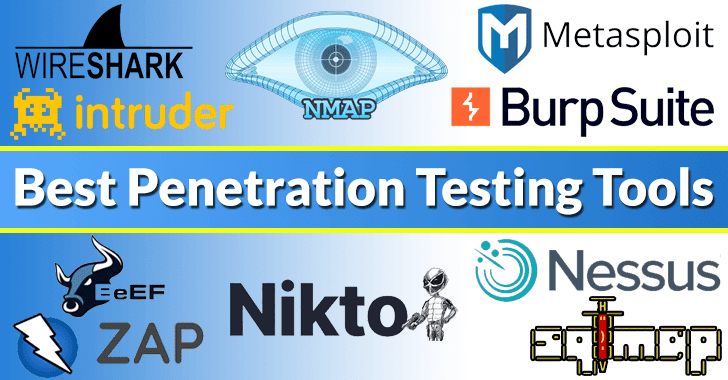
**Best Penetration Testing Tools for Beginners:** The top penetration testing tools for beginners include Nmap, Metasploit, and Burp Suite. These tools offer user-friendly interfaces and robust features for effective testing.
Penetration testing is essential for identifying vulnerabilities in systems and networks. For beginners, selecting the right tools can significantly enhance learning and effectiveness. Nmap excels in network discovery and security auditing, making it ideal for newcomers. Metasploit provides a comprehensive framework for developing and executing exploit code, enabling hands-on experience.
Burp Suite serves as a powerful web application security testing platform, simplifying the process of finding and exploiting vulnerabilities. Mastering these tools helps beginners build a strong foundation in cybersecurity, paving the way for advanced skills and career opportunities.
Introduction To Penetration Testing
Penetration testing, or pen testing, checks the security of systems. It simulates attacks to find vulnerabilities. This process helps organizations protect their data and assets. Beginners can start with simple tools and techniques.
Importance Of Cybersecurity
Cybersecurity is crucial in today’s digital world. Here are some reasons why:
- Protects Sensitive Data: Safeguards personal and financial information.
- Maintains Trust: Builds confidence among customers and clients.
- Prevents Financial Loss: Reduces costs from data breaches and attacks.
- Ensures Compliance: Meets legal and regulatory requirements.
Basics Of Pen Test For Newbies
Newcomers should understand the fundamentals of penetration testing. Here are some key concepts:
- Scope: Define what systems to test.
- Reconnaissance: Gather information about the target.
- Scanning: Identify open ports and services.
- Exploitation: Attempt to breach the system.
- Reporting: Document findings and suggest fixes.
Choosing the right tools is vital. Here’s a table of popular tools for beginners:
| Tool Name | Description | Usage Level |
|---|---|---|
| Nmap | Network scanning tool for discovering hosts. | Beginner |
| Burp Suite | Web application security testing tool. | Beginner |
| Metasploit | Framework for developing and executing exploit code. | Intermediate |
| OWASP ZAP | Open-source tool for finding security vulnerabilities. | Beginner |
Starting with these tools helps build skills. Continuous learning is essential in cybersecurity.

Credit: cybersecuritynews.com
Essential Qualities Of Pen Testing Tools
Choosing the right penetration testing tools is crucial for beginners. The ideal tools should be user-friendly, efficient, and feature-rich. Here are key qualities to consider:
Ease Of Use
Beginners need tools that are simple to navigate. Complex tools can lead to frustration and errors. Look for the following features:
- User-friendly interface: Intuitive design helps beginners.
- Clear documentation: Guides and tutorials assist learning.
- Community support: Forums and user groups provide help.
Tools with drag-and-drop functionality can simplify tasks. A good tool should allow quick execution of tests without deep technical knowledge.
Comprehensive Reporting Features
Effective reporting is vital in penetration testing. Reports should clearly convey findings and suggestions. Here are important aspects:
| Feature | Description |
|---|---|
| Detailed findings: | Includes vulnerabilities, risks, and affected systems. |
| Visual aids: | Graphs and charts enhance understanding. |
| Actionable recommendations: | Provides clear steps for remediation. |
Good reporting tools save time and improve communication. They help stakeholders understand the security posture.
Top Penetration Testing Tools For Starters
Penetration testing is key for finding security flaws. Beginners need the right tools. This section highlights the best options available. Each tool offers unique features and benefits.
Tool 1: Features And Benefits
Metasploit is a powerful penetration testing tool. It helps security professionals find vulnerabilities in systems.
| Features | Benefits |
|---|---|
| Extensive database of exploits | Quickly identify vulnerabilities |
| User-friendly interface | Easy for beginners to navigate |
| Community support | Access to tutorials and forums |
This tool is perfect for learning. Users can practice on virtual machines. It offers hands-on experience.
Tool 2: Features And Benefits
Nessus is another great tool for beginners. It focuses on network scanning and vulnerability assessment.
- Comprehensive scanning: Finds vulnerabilities in various systems.
- Regular updates: Keeps up with the latest threats.
- Customizable reports: Offers detailed insights into findings.
Nessus is easy to set up. It helps users understand security risks. This tool is widely used in the industry.

Credit: m.youtube.com
Open Source Vs. Commercial Tools
Choosing between open source and commercial penetration testing tools is crucial for beginners. Each type has unique advantages and drawbacks. Understanding these can help you make the best choice for your needs.
Pros And Cons Of Open Source Tools
Open source tools offer many benefits, especially for beginners. Here are some pros and cons:
| Pros | Cons |
|---|---|
|
|
When To Choose Commercial Tools
Commercial tools can be a better fit in some cases. Here are key reasons to choose them:
- Need for professional support.
- Desire for more advanced features.
- Requirement for compliance and certification.
- Time constraints for learning.
Consider your budget and specific needs. Commercial tools often offer easier setup and user-friendly interfaces. They may also provide features that open source tools lack.
Ultimately, the choice between open source and commercial tools depends on your goals. Evaluate both options to find the best fit for your penetration testing journey.
Web Application Pen Testing Essentials
Web application penetration testing helps find security flaws. It targets web apps to protect sensitive data. Beginners need effective tools for this vital task. Here are some essential tools and their features.
Tool 3: Why It’s Great For Web Apps
OWASP ZAP is an open-source tool for web app security. It helps identify vulnerabilities quickly. Here’s why it stands out:
- User-Friendly Interface: Easy for beginners to navigate.
- Automated Scanning: Saves time by scanning apps automatically.
- Active Community Support: Many resources are available for learning.
- Integration Capabilities: Works well with other security tools.
Common Web Vulnerabilities
Understanding common web vulnerabilities is crucial. Here are the top threats:
| Vulnerability | Description |
|---|---|
| SQL Injection | Attackers insert malicious SQL queries. |
| Cross-Site Scripting (XSS) | Injecting scripts into web pages viewed by users. |
| Cross-Site Request Forgery (CSRF) | Forces users to execute unwanted actions. |
| Insecure Direct Object References | Accessing unauthorized data or functions. |
Awareness of these vulnerabilities helps in securing web applications. Use tools like OWASP ZAP to test for these issues.
Network Penetration Testing Simplified
Network penetration testing helps identify security flaws in a system. It simulates attacks to find vulnerabilities. Beginners can use various tools to learn t