
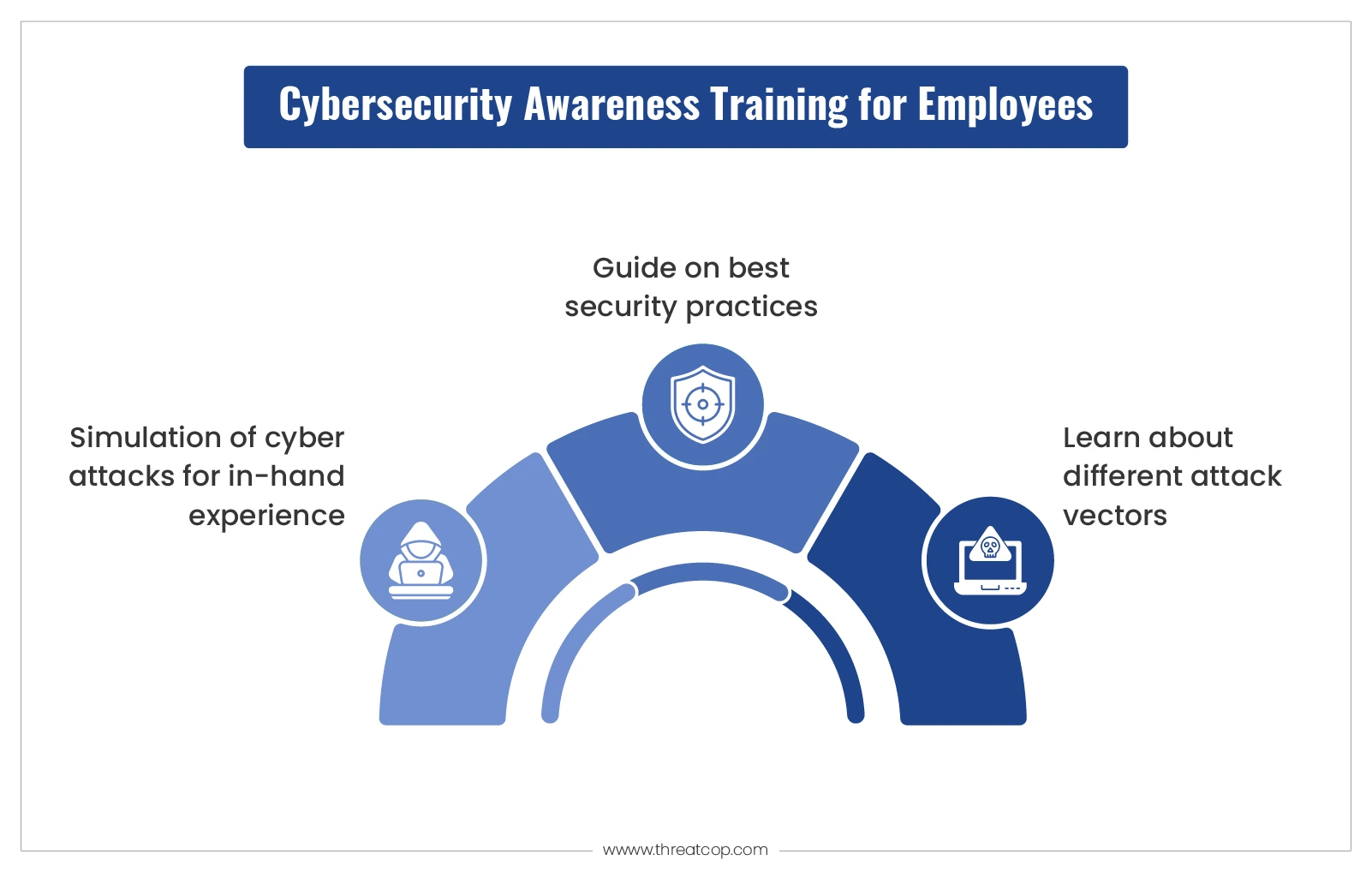
Cybersecurity awareness training for employees educates them about potential threats and safe online behaviors. This training is crucial for protecting sensitive data and maintaining organizational integrity.
Cybersecurity threats are ever-evolving, making employee training vital for any organization. Employees often serve as the first line of defense against cyberattacks. By understanding common threats like phishing, malware, and social engineering, staff can better identify and respond to risks.
Effective training programs not only inform employees about the latest tactics used by cybercriminals but also empower them to take proactive measures. Regular training reinforces a culture of security within the workplace. Investing in cybersecurity awareness helps organizations minimize risks, protect valuable information, and maintain customer trust in an increasingly digital world.
The Necessity Of Cybersecurity Training
Cybersecurity training is essential for all employees. It helps protect sensitive information. As threats increase, so does the need for knowledge. Employees must learn how to identify risks. Proper training can prevent costly mistakes.
Rising Threat Landscape
Cyber threats are growing rapidly. Hackers use advanced techniques to exploit weaknesses. Common threats include:
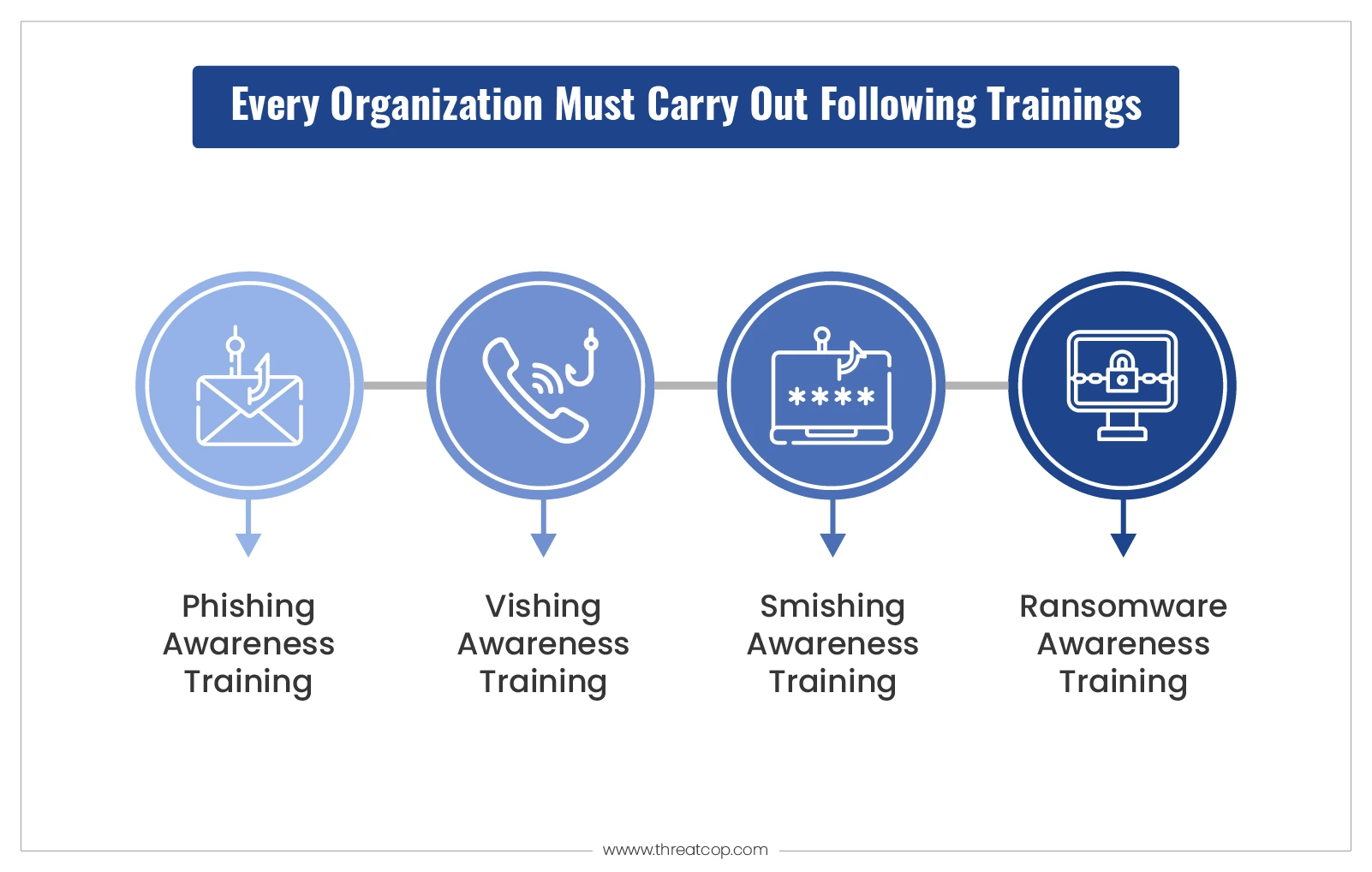
- Phishing attacks
- Malware infections
- Ransomware incidents
Every employee plays a role in cybersecurity. One careless click can lead to a breach. Regular training keeps everyone informed. It empowers staff to recognize suspicious activities.
Cost Of Data Breaches
Data breaches can be extremely costly. The financial impact includes:
| Cost Factor | Estimated Cost |
|---|---|
| Legal Fees | $100,000+ |
| Data Recovery | $250,000+ |
| Reputation Damage | $500,000+ |
Investing in training is cheaper than dealing with breaches. Companies save money and protect their reputation. Knowledgeable employees reduce risks significantly.

Credit: aware.eccouncil.org
Identifying Common Cyber Threats
Understanding cyber threats is vital for every employee. Cyber threats can lead to data breaches. They can harm the entire organization. Learning to identify these threats helps in staying safe.
Phishing Scams
Phishing scams trick users into revealing sensitive information. These scams often come as emails or messages. Here are key points about phishing:
- Emails may look real but are fake.
- Links may lead to fake websites.
- Urgent messages create panic.
Be aware of these signs:
- Check the sender’s email address.
- Look for spelling errors.
- Avoid clicking on suspicious links.
Always verify requests for sensitive information.
Malware And Ransomware
Malware infects computers, causing various problems. Ransomware locks files and demands payment. Protecting against these threats is crucial. Here’s how to stay safe:
| Threat Type | Definition | Prevention Tips |
|---|---|---|
| Malware | Software designed to harm your computer. |
|
| Ransomware | Malware that locks your files. |
|
Staying informed about these threats keeps your workplace safe.
Elements Of Effective Training Programs
Effective cybersecurity awareness training is vital for all employees. It helps them recognize threats and act accordingly. Here are key elements that make training programs successful.
Interactive Modules
Interactive modules engage employees and enhance learning. They can include:
- Quizzes to test knowledge
- Scenarios that mimic real-life threats
- Simulations of phishing attacks
These methods encourage participation. Employees remember information better when they actively engage.
Regular Update Schedules
Cyber threats evolve quickly. Training programs must adapt. Regular updates ensure the content is fresh and relevant. Consider these practices:
- Quarterly training sessions
- Monthly newsletters with tips
- Annual reviews of training materials
Staying current helps employees recognize new threats. Ongoing education builds a strong security culture.
| Training Element | Description |
|---|---|
| Interactive Modules | Engaging content that includes quizzes and simulations. |
| Regular Updates | Frequent reviews and adjustments to training materials. |
Credit: threatcop.com
Behavioral Change As A Goal
Cybersecurity Awareness Training aims to change employee behavior. This change helps protect sensitive data. Employees need to adopt safe practices daily. The goal is not just knowledge but action.
Encouraging Safe Online Habits
Employees must learn to develop safe online habits. Here are some key practices:
- Use strong passwords: Combine letters, numbers, and symbols.
- Update software: Regular updates fix security holes.
- Avoid suspicious emails: Don’t open attachments from unknown senders.
- Think before clicking: Check links before clicking on them.
Regular reminders help reinforce these habits. Consider fun quizzes or challenges. This keeps employees engaged and aware.
Creating A Culture Of Security
A strong security culture starts at the top. Leaders must prioritize cybersecurity. Employees will follow their example. Here’s how to build this culture:
- Offer ongoing training: Schedule regular sessions to keep skills fresh.
- Reward safe behavior: Recognize employees who practice good habits.
- Foster open communication: Encourage employees to report suspicious activities.
- Share success stories: Highlight incidents where training helped prevent issues.
Creating a security-first mindset takes time. Continuous effort ensures lasting change. Employees must feel responsible for security.
Real-world Simulations And Testing
Real-world simulations and testing are vital for effective cybersecurity awareness training. These activities provide hands-on experience. Employees learn to recognize threats and respond correctly. They become more vigilant and informed.
Mock Phishing Exercises
Mock phishing exercises simulate real phishing attacks. These exercises help employees identify suspicious emails. Here are key benefits:
- Increases awareness of phishing tactics.
- Enhances email filtering skills.
- Reduces risk of falling for scams.
During these exercises, employees receive fake phishing emails. They must report or ignore them. Results are tracked to identify training needs.
| Exercise Type | Purpose | Frequency |
|---|---|---|
| Phishing Email | Test email response | Monthly |
| Follow-Up Training | Address weaknesses | Quarterly |
Incident Response Drills
Incident response drills prepare employees for real attacks. These drills simulate security breaches. They teach employees how to act quickly.
- Identify the breach.
- Contain the threat.
- Notify the IT team.
Drills create a safe environment to practice skills. Employees learn their roles during a security incident. Regular drills build confidence and team communication.
Key aspects of incident response drills:
- Realistic scenarios based on past incidents.
- Clear communication channels established.
- Post-drill reviews for continuous improvement.
These practices help create a strong security culture. Employees become proactive in protecting company data.