
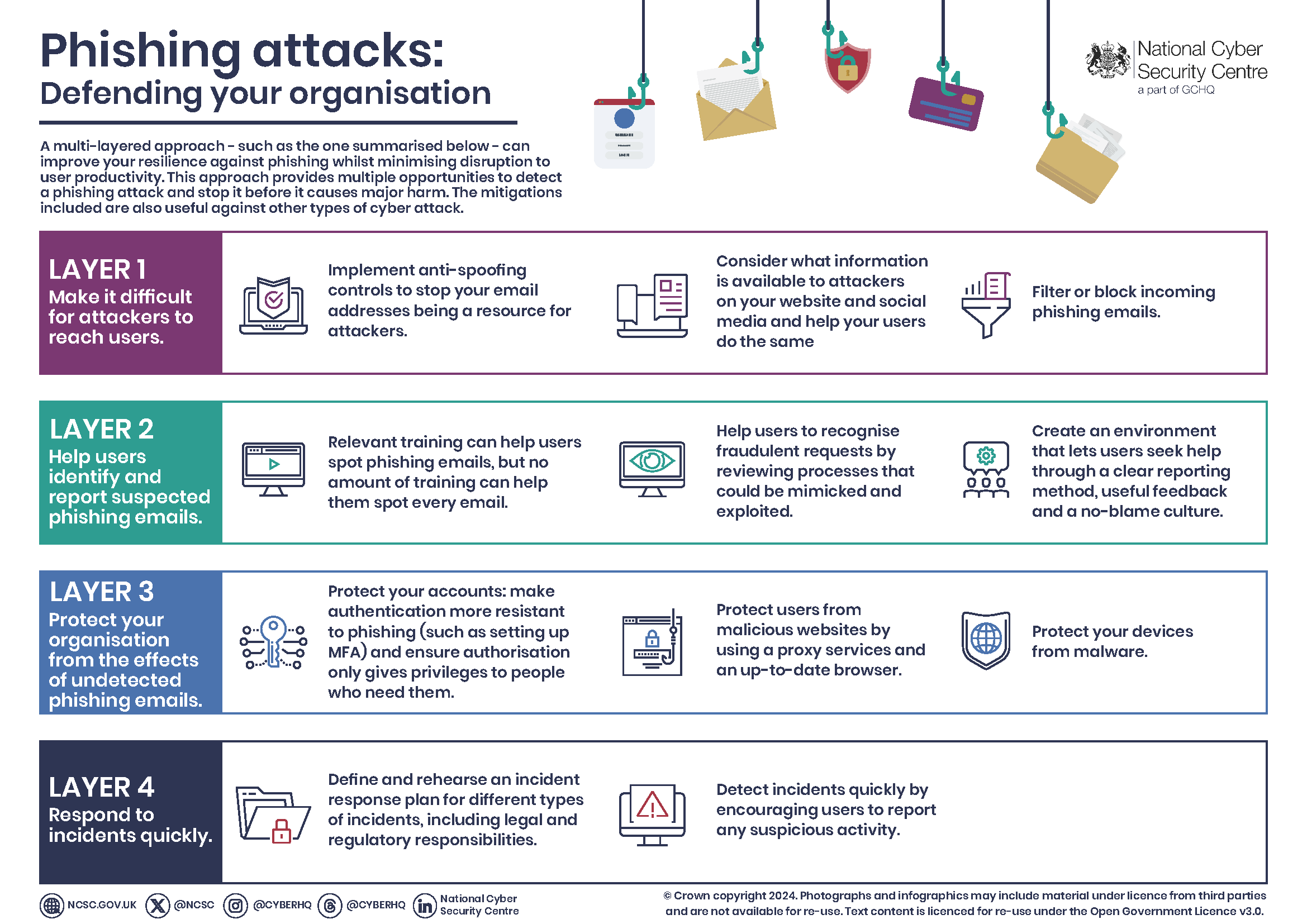
Phishing attacks trick users into revealing sensitive information. Identifying and preventing these attacks is crucial for organizational security.
Guide to Identifying And Preventing Phishing Attacks in Organizations:Phishing attacks remain a significant threat to organizations, targeting employees through deceptive emails and messages. These attacks often appear legitimate, making it easy for individuals to fall victim. By understanding the common signs of phishing, organizations can empower their workforce to recognize and respond appropriately.
Training employees to spot suspicious links and attachments is essential. Implementing robust security measures, such as multi-factor authentication, adds an extra layer of protection. Regular updates to security protocols keep defenses strong against evolving threats. A proactive approach to identifying and preventing phishing attacks not only safeguards sensitive data but also fosters a culture of security awareness within the organization.
Introduction To Phishing Threats In The Workplace
Phishing attacks pose a serious risk to organizations. These attacks trick employees into revealing sensitive information. Cybercriminals use emails, messages, or fake websites. Their goal is to steal data or money.
Scope Of Phishing
Phishing attacks come in various forms:
- Email Phishing: Fake emails appear to be from trusted sources.
- Spearfishing: Targeted attacks on specific individuals.
- Whaling: Attacks directed at high-profile targets, like executives.
- Vishing: Voice phishing over the phone.
- Smishing: Phishing through SMS messages.
Understanding these types helps organizations better prepare against them.
Impact On Organizations
Phishing attacks can have severe consequences. They can lead to:
- Data Breaches: Sensitive information gets leaked.
- Financial Loss: Organizations lose money directly or through fraud.
- Reputation Damage: Trust in the organization declines.
- Legal Issues: Organizations may face lawsuits or fines.
Consider the following statistics:
| Statistic | Impact |
|---|---|
| 90% | Of data breaches involve phishing attacks. |
| $1.4 billion | Lost annually due to phishing. |
| 60% | Of organizations report phishing incidents. |
Understanding the scope and impact is crucial. Organizations must act proactively. Training employees can reduce risks significantly.
Credit: www.avg.com
The Anatomy Of A Phishing Attack
Understanding the anatomy of a phishing attack is vital for organizations. Phishing attacks trick users into revealing sensitive information. Attackers often use emails, messages, or websites that appear legitimate. Recognizing the common traits can significantly reduce risks.
Common Characteristics
Phishing attempts share several key features. Identifying these can help users stay safe. Below are the common characteristics:
- Urgency: Messages often create a sense of urgency.
- Generic Greetings: Emails usually use “Dear Customer” instead of a name.
- Suspicious Links: Links may lead to fake websites.
- Spelling Errors: Many phishing emails contain spelling mistakes.
- Unusual Sender: Check the sender’s email address closely.
Phishing Techniques Unveiled
Phishing attacks use various techniques to deceive users. Understanding these techniques can enhance your defense. Here are some common phishing techniques:
| Technique | Description |
|---|---|
| Email Phishing | Fake emails that mimic trusted sources. |
| Spear Phishing | Targeted attacks on specific individuals or groups. |
| Whaling | Attacks aimed at high-profile targets like executives. |
| Smishing | Phishing via SMS or text messages. |
| Vishing | Voice phishing using phone calls to extract information. |
Awareness of these techniques is crucial. Educate your team to spot phishing attempts quickly.
Red Flags: Spotting Phishing Attempts
Identifying phishing attempts is crucial for organizations. Recognizing red flags can prevent data breaches. Here are some key indicators to watch for.
Suspicious Email Patterns
Phishing emails often have strange characteristics. Look for these patterns:
- Unfamiliar sender addresses: Check for slight misspellings.
- Generic greetings: Be wary of “Dear Customer” instead of your name.
- Urgent language: Phrases like “Act now!” signal danger.
- Unexpected attachments: Avoid opening files from unknown sources.
- Strange requests: Legitimate companies won’t ask for sensitive info via email.
Verifying Website Authenticity
Phishing sites mimic real ones. Always verify before entering sensitive data. Use these tips:
- Check the URL: Look for “https://” in the address bar.
- Look for company logos: Ensure they match the official site.
- Examine spelling: Watch for typos in the website name.
- Use website checkers: Tools can confirm site safety.
- Contact the company: Verify through official channels.
| Red Flag | Description |
|---|---|
| Unfamiliar sender | Check for odd email addresses. |
| Urgent requests | Be cautious of pressure tactics. |
| Suspicious links | Hover to see the actual URL. |
| Unexpected attachments | Avoid files unless verified. |
Employee Education And Training
Employee education and training play a vital role in preventing phishing attacks. Well-informed employees can identify suspicious emails and protect sensitive information. Regular training helps create a culture of security awareness.
Developing A Training Program
Creating an effective training program is essential. Here are key components to include:
- Phishing Awareness: Teach employees what phishing is.
- Identifying Red Flags: Show common signs of phishing emails.
- Reporting Procedures: Explain how to report suspicious emails.
- Secure Practices: Encourage safe browsing and email habits.
Training sessions can be conducted through:
- Workshops
- Online courses
- Interactive sessions
Regular updates keep training relevant. Use real-life examples to enhance learning.
Regular Drills And Simulations
Drills and simulations reinforce training. They help employees practice their skills in a safe environment. Here’s how to implement them:
- Simulated Phishing Attacks: Send fake phishing emails to test responses.
- Feedback Sessions: Discuss results and areas for improvement.
- Gamification: Use games to make learning fun.
Schedule these drills regularly. This keeps employees alert and engaged. Track progress to measure effectiveness.