
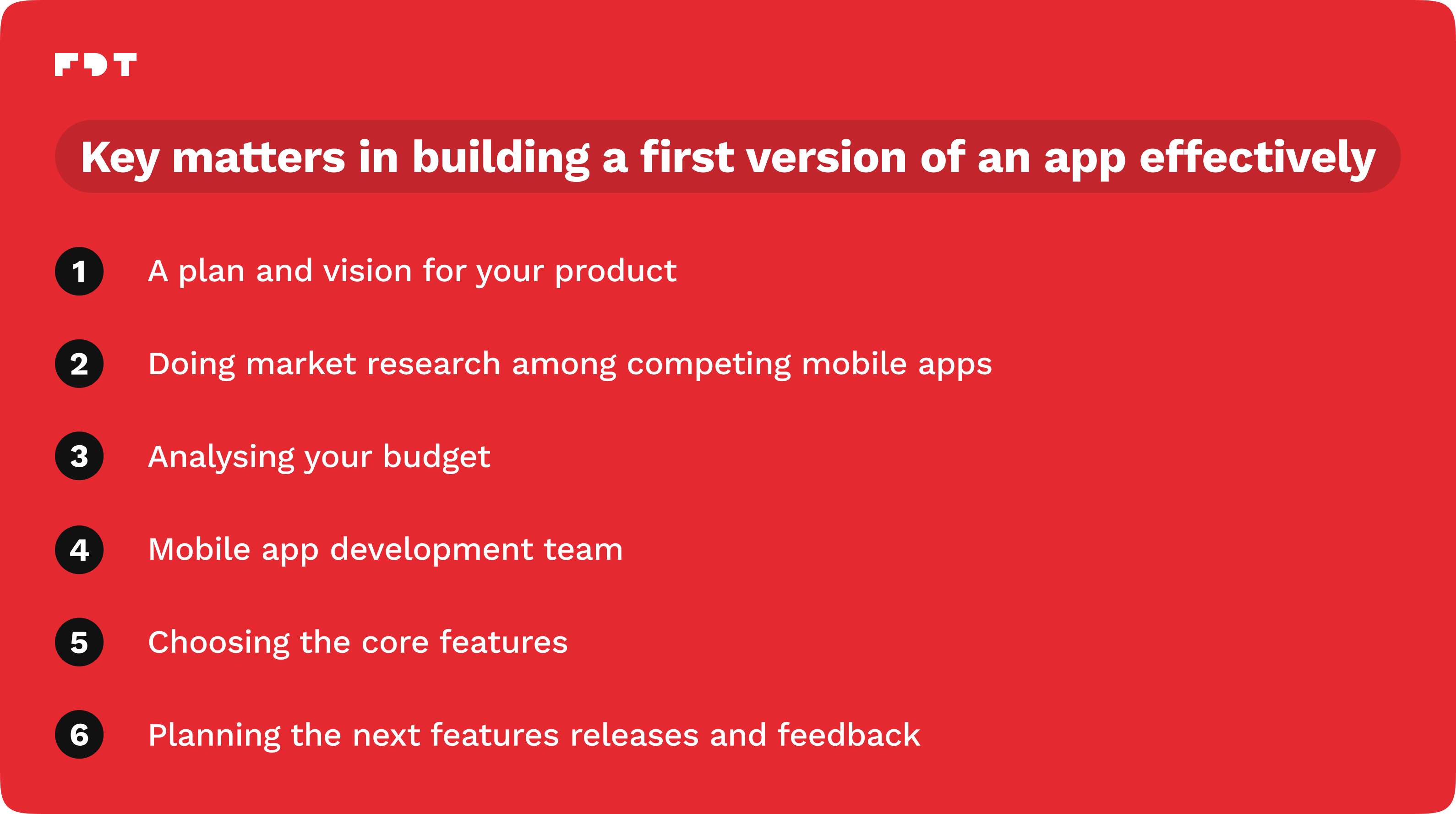
To market your mobile app effectively, focus on a targeted audience and utilize social media platforms. Optimize your app store listing with relevant keywords and engaging visuals.
Marketing a mobile app requires a strategic approach to capture user interest. The app market is highly competitive, making it essential to stand out. Begin by identifying your target audience and understanding their needs. Create compelling content that highlights your app’s unique features and benefits.
Leverage social media channels for promotion and engage users through interactive campaigns. Utilize influencer partnerships to expand your reach and credibility. Lastly, monitor analytics to refine your strategies and improve user retention. A well-rounded marketing plan can significantly increase your app’s visibility and downloads.
Introduction To Mobile App Marketing
Marketing your mobile app is crucial for success. A strong marketing strategy can help your app stand out. It attracts users and increases downloads. Understanding key elements of mobile app marketing is essential.
The Importance Of A Solid Marketing Plan
A well-defined marketing plan sets the foundation for your app’s success. It outlines your target audience and marketing goals.
- Target Audience: Identify who will use your app.
- Unique Value Proposition: Define what makes your app special.
- Budget: Allocate resources wisely for advertising.
Include various marketing channels in your plan:
- Social Media Marketing
- Content Marketing
- Influencer Collaborations
- Email Marketing
Regularly review and adjust your plan. Stay flexible to adapt to market trends.
Key Metrics For App Success
Measuring app success involves tracking specific metrics. Focus on key performance indicators (KPIs) to guide your strategy.
| Metric | Description |
|---|---|
| Downloads | Total number of app installations. |
| User Engagement | Frequency of app usage by users. |
| Retention Rate | Percentage of users who return after first use. |
| Conversion Rate | Percentage of users completing a desired action. |
By monitoring these metrics, you can improve your marketing efforts. Adjust your strategy based on user behavior and feedback.
Identifying Your Target Audience
Knowing your target audience is crucial for effective mobile app marketing. It helps you tailor your messaging and features. Understanding who will use your app boosts engagement and increases downloads.
Demographics And User Behavior
Demographics provide key insights into potential users. Consider these factors:
- Age: Different age groups use apps differently.
- Gender: Some apps appeal more to one gender.
- Location: User needs may vary by region.
- Income Level: Income affects app spending.
User behavior shows how potential users interact with apps. Look for patterns in:
- App usage frequency
- Preferred app features
- Time spent on apps
- Feedback and reviews
Gather data through surveys, analytics, and market research. This data helps refine your marketing strategy.
Creating User Personas For Better Engagement
User personas are fictional characters based on your target audience. They help visualize and understand user needs. Create detailed personas to improve engagement. Include:
| Persona Name | Demographics | Goals | Challenges |
|---|---|---|---|
| Tech-Savvy Millennial | Age 25-35, Urban, Medium Income | Seeks convenience and speed | Lacks time, prefers simple solutions |
| Busy Parent | Age 30-45, Suburban, Medium-High Income | Wants to save time and money | Juggles family and work |
| Retired Individual | Age 60+, Rural, Fixed Income | Seeks entertainment and social connection | May struggle with technology |
Use these personas to craft targeted messages. Focus on their needs and preferences. Tailor your app features to solve their problems.
Crafting A Unique Value Proposition
Creating a strong Unique Value Proposition (UVP) is key for your mobile app. It helps users understand why they should choose your app over others. A clear UVP highlights your app’s uniqueness and appeals to your target audience.
Defining Your App’s Unique Features
Start by identifying what makes your app special. Focus on features that set it apart from competitors. Consider these aspects:
- Innovative Solutions: Does your app solve a common problem?
- User Experience: Is the interface easy and enjoyable?
- Unique Functionality: What can your app do that others cannot?
- Target Audience: Who benefits most from your app?
Use a table to present your features clearly:
| Feature | Description |
|---|---|
| Feature A | Brief description of Feature A |
| Feature B | Brief description of Feature B |
| Feature C | Brief description of Feature C |
Communicating Value To Users
Next, ensure users grasp the value of your app quickly. Use clear language and visuals. Focus on benefits rather than just features. Here are effective strategies:
- Catchy Tagline: Create a memorable tagline that sums up your app.
- Engaging Visuals: Use images and videos to showcase your app’s benefits.
- User Testimonials: Share reviews that highlight positive experiences.
- Social Proof: Display download numbers or user statistics.
Make your UVP front and center in your marketing materials. This approach will attract and retain users effectively.
Optimizing For The App Store
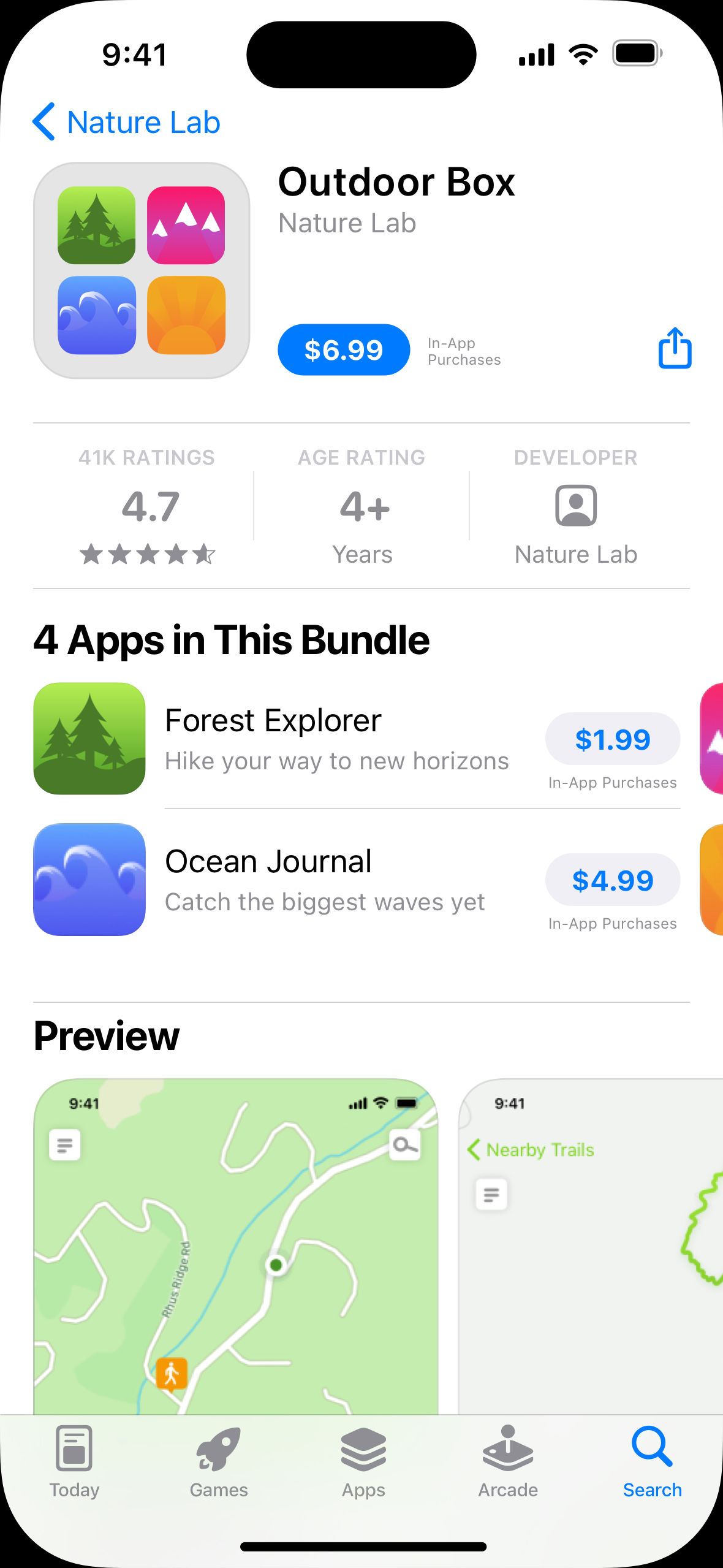
Optimizing for the App Store is crucial for your mobile app’s success. A well-optimized app can increase visibility and downloads. This section covers essential strategies to enhance your app’s performance.
Keyword Research For Aso
Keyword research is vital for effective App Store Optimization (ASO). It helps in identifying terms potential users search for. Follow these steps:
- Use tools like App Annie or Sensor Tower.
- Focus on relevant keywords related to your app.
- Analyze competitors’ keyword strategies.
- Prioritize long-tail keywords for less competition.
Include these keywords in:
- App title
- Description
- Keyword field (if available)
Designing An Eye-catching App Icon And Screenshots
Your app icon and screenshots grab users’ attention. An attractive design leads to higher downloads. Keep these tips in mind:
| Element | Tips |
|---|---|
| App Icon |
|
| Screenshots |
|
Invest time in creating visuals. They play a crucial role in attracting users.
Leveraging Social Media Platforms
Social media is essential for marketing your mobile app. It connects you with potential users. A strong social media strategy can boost visibility and engagement.
Choosing The Right Channels For Your App
Selecting the right platforms is crucial. Different apps appeal to different audiences. Here are some popular platforms:
| Platform | Best For |
|---|---|
| Wide audience, community building | |
| Visual content, younger demographic | |
| Real-time updates, customer support | |
| Professional apps, B2B marketing |
Choose platforms based on your target audience. Focus on where they spend time. This makes your marketing efforts more effective.
Creating Shareable Content
Content drives engagement on social media. Creating shareable content is key. Use these tips for effective content:
- Visuals: Use images and videos.
- Stories: Share user experiences and testimonials.
- Contests: Run giveaways or challenges.
- How-to Guides: Provide valuable tips related to your app.
Engage users with questions and polls. Encourage them to share your content. This boosts visibility and attracts new users.
Credit: medium.com
Incorporating User Feedback
Incorporating user feedback is vital for your mobile app’s success. Listening to users helps improve features, enhance usability, and increase satisfaction. It builds trust and loyalty. Users appreciate when their voices matter.
Utilizing Reviews To Improve The App
User reviews provide valuable insights. They highlight what works and what doesn’t. Analyze reviews to find common themes.
- Positive Reviews: Identify features users love.
- Negative Reviews: Pinpoint issues needing attention.
Consider creating a feedback loop:
- Gather feedback through surveys.
- Implement changes based on the feedback.
- Notify users about updates.
- Encourage more reviews post-update.
Use a table to track feedback themes and actions:
| Feedback Theme | User Count | Action Taken |
|---|---|---|
| Slow Performance | 150 | Optimized code |
| Great User Interface | 200 | No action needed |
| Missing Features | 75 | Added requested features |
Engaging With Users To Foster Loyalty
Engagement creates a strong bond with users. Responding to feedback shows you care. Here’s how to engage effectively:
- Respond Promptly: Acknowledge reviews quickly.
- Show Appreciation: Thank users for their feedback.
- Ask Questions: Encourage detailed feedback.
- Create Community: Use social media for discussions.
Consider running user polls. Gather opinions on new features or updates. This fosters a sense of ownership among users.
Regularly communicate updates through newsletters. Keep users informed about improvements. This keeps them engaged and loyal.
Utilizing Influencer Partnerships
Influencer partnerships can boost your mobile app’s visibility. They connect your app with a larger audience. Choosing the right influencers is key. They should resonate with your target users.
Selecting The Right Influencers For Your Niche
Finding the right influencers is crucial for success. Here are steps to help you:
- Identify Your Audience: Know who will use your app.
- Research Influencers: Look for those in your niche.
- Check Engagement: Focus on their interaction with followers.
- Evaluate Authenticity: Ensure they have genuine followers.
Consider these types of influencers:
| Type of Influencer | Description |
|---|---|
| Micro-Influencers | Small followers but high engagement. |
| Macro-Influencers | Large followings with diverse audiences. |
| Industry Experts | Well-respected voices in your niche. |
Measuring The Impact Of Influencer Campaigns
Measuring success helps you understand the campaign’s effectiveness. Use these metrics:
- Engagement Rate: Likes, shares, and comments matter.
- App Downloads: Track downloads linked to campaigns.
- Referral Traffic: Monitor traffic from influencer posts.
Tools to track these metrics:
- Google Analytics
- Social Media Insights
- App Analytics Tools

Credit: www.linkedin.com
Running Effective Ad Campaigns
Advertising your mobile app effectively is crucial for success. Well-planned ad campaigns can boost downloads and increase user engagement. Focus on clear messaging and target your audience precisely.
Budgeting For Paid Promotions
Setting a budget for your ad campaigns is vital. Here’s how to allocate your funds wisely:
- Define Your Goals: What do you want to achieve?
- Choose Ad Platforms: Select platforms like Google Ads or Facebook.
- Estimate Costs: Research average costs per click (CPC) or per impression (CPM).
- Set a Daily/Monthly Limit: Control your spending effectively.
- Monitor Results: Adjust budget based on performance.
A/b Testing Ad Creatives For Performance
A/B testing helps improve your ad performance. Test different elements to find what works best. Focus on:
- Images: Use eye-catching visuals.
- Headlines: Test various headlines for engagement.
- Call-to-Action (CTA): Experiment with different CTAs.
- Ad Formats: Try video ads versus static images.
Keep track of results. Use analytics tools to measure success. Adjust your campaigns based on data. This approach maximizes your ad spend.
Analyzing And Adapting
Effective app marketing requires constant analysis and adaptation. Tracking performance helps understand user behavior. Adjustments based on data lead to better results.
Tools For Tracking App Performance
Use these tools to monitor your app’s performance:
- Google Analytics – Track user engagement and retention.
- Firebase – Analyze app usage and crash reports.
- App Annie – Get insights on app rankings and downloads.
- Mixpanel – Measure user actions and funnel analysis.
- Adjust – Monitor marketing campaigns and user acquisition.
| Tool | Key Features |
|---|---|
| Google Analytics | Engagement metrics, user demographics |
| Firebase | Crashlytics, real-time analytics |
| App Annie | Market data, competitor analysis |
| Mixpanel | Event tracking, cohort analysis |
| Adjust | Campaign tracking, fraud prevention |
Iterating Your Strategy Based On Data
Use data to refine your marketing strategy. Follow these steps:
- Review user feedback and ratings.
- Analyze retention rates and user engagement.
- Identify popular features and pain points.
- Adjust marketing messages based on user behavior.
- Test new features and measure their impact.
Regular updates keep your app relevant. Adapt strategies based on what users want. This process improves user experience and boosts downloads.
Credit: developer.apple.com
Conclusion: Continuous Improvement
Marketing your mobile app is an ongoing process. It requires dedication and regular updates. Focus on user feedback and market trends. This approach will help your app thrive.
The Journey Doesn’t End At Launch
Launching your app is just the beginning. Continuous improvement is key to success. Here are some strategies to keep your app relevant:
- Gather User Feedback: Use surveys and reviews.
- Update Regularly: Release new features and fix bugs.
- Monitor Analytics: Track user behavior and engagement.
- Engage with Users: Build a community around your app.
Each of these strategies helps to enhance user experience. Happy users lead to more downloads.
Staying Ahead In A Competitive Market
The app market is crowded. Staying ahead requires constant innovation. Consider these tactics:
- Competitor Analysis: Study your rivals’ strengths and weaknesses.
- Unique Selling Proposition: Clearly define what makes your app special.
- Marketing Campaigns: Use social media and influencers for promotion.
- Adapt to Trends: Keep up with industry changes.
Constantly adapting keeps your app fresh. Embrace change and thrive in the mobile landscape.
Frequently Asked Questions
How Can I Promote My Mobile App For Free?
Promoting your mobile app for free can be achieved through social media marketing, engaging content, and leveraging user-generated content. Utilize platforms like Facebook, Instagram, and Twitter to create buzz. Also, consider submitting your app to app directories and forums to gain visibility without spending money.
What Are The Best Platforms To Market A Mobile App?
The best platforms include social media networks, app review sites, and blogs. Facebook, Instagram, and Twitter are great for targeted ads. Additionally, consider platforms like Reddit and Quora for organic engagement. Email marketing can also be effective in reaching your audience directly.
How Important Are App Store Optimization Techniques?
App Store Optimization (ASO) is crucial for visibility. Effective ASO improves your app’s ranking in search results, leading to higher downloads. Focus on keyword research, compelling descriptions, and attractive visuals. Regularly update your metadata to keep it relevant and competitive in the app store.
Should I Invest In Paid Advertising For My App?
Investing in paid advertising can significantly boost visibility. It allows for targeted reach to potential users who are interested in your app’s niche. Platforms like Google Ads and Facebook Ads offer effective options. However, monitor your ROI to ensure your investment pays off.
Conclusion
Effective marketing for your mobile app requires a strategic approach. Focus on understanding your target audience. Utilize social media, app store optimization, and influencer partnerships. Consistent engagement and feedback are vital for growth. By implementing these strategies, you can boost visibility and drive downloads, ensuring your app achieves lasting success.




Leave a Reply