
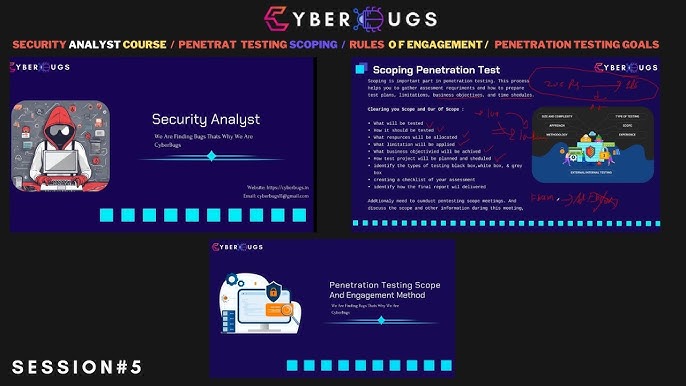
To prepare for a penetration testing engagement, define the scope and objectives clearly. Gather relevant documentation and ensure all stakeholders are informed.
Penetration testing is vital for identifying vulnerabilities in your systems. This proactive approach helps organizations strengthen their security posture. Proper preparation sets the stage for an effective assessment. Begin by defining what assets need testing and understanding the testing boundaries.
Collaborate with your team to gather necessary documentation, such as network diagrams and security policies. Engaging all stakeholders ensures everyone is aligned and aware of the process. This transparency fosters a smooth engagement and enhances the overall effectiveness of the test. By investing time in preparation, you maximize the benefits of the penetration testing effort.
Introduction To Penetration Testing
Penetration testing, or pen testing, simulates real cyber attacks. It helps organizations find and fix vulnerabilities. This process improves overall security. Understanding pen testing is essential for any business.
Setting The Stage For Security Analysis
Before starting a pen test, preparation is crucial. This phase sets the foundation for a successful engagement. Key elements to consider include:
- Defining Scope: Identify what systems will be tested.
- Establishing Rules: Set boundaries for the test.
- Gathering Resources: Ensure all tools and personnel are ready.
Document these elements clearly. This documentation guides the testing team. It also ensures everyone understands their roles.
Importance Of Pen Testing In Cybersecurity
Penetration testing plays a vital role in cybersecurity. It helps identify weak spots in a system. Here are some reasons why it is important:
| Benefit | Description |
|---|---|
| Risk Assessment | Find and evaluate security risks effectively. |
| Compliance | Meet regulatory requirements and standards. |
| Improved Defense | Strengthen security measures based on findings. |
Regular pen testing is essential. It keeps your systems safe from threats. Remember, a proactive approach is always better than a reactive one.
Credit: www.chegg.com
Goal Setting For Penetration Testing
Setting clear goals is essential for a successful penetration testing engagement. Goals guide the entire process. They help teams focus on what matters most. A well-defined goal ensures that resources are used effectively.
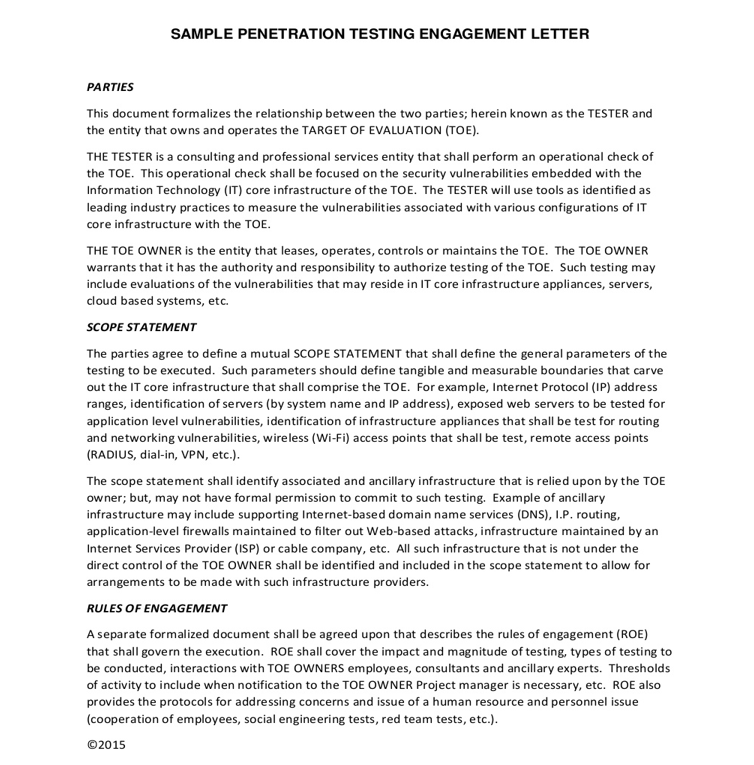
Defining The Scope Of Engagement
Scope defines the boundaries of the penetration test. It outlines what will be tested and what will not. A clear scope prevents misunderstandings. Here are key elements to consider:
- Assets: Specify which systems and networks will be tested.
- Exclusions: Identify any areas that should not be tested.
- Testing Types: Decide on black-box, white-box, or gray-box testing.
- Time Frame: Set a clear timeline for the engagement.
Creating a detailed scope document is crucial. This document serves as a reference throughout the engagement. It ensures all parties agree on the objectives.
Identifying Specific Objectives
Specific objectives provide direction to the testing team. They help in measuring success. Here are common objectives for penetration testing:
- Find vulnerabilities in systems and applications.
- Assess the effectiveness of security controls.
- Test incident response capabilities.
- Identify areas for improvement in security posture.
Each objective should be clear and measurable. For example, instead of saying “improve security,” specify “reduce vulnerabilities by 30%.” This clarity helps teams focus on achieving tangible results.
Setting goals and defining the scope ensures a successful engagement. A focused approach leads to better security outcomes.
Assembling The Pen Testing Team
Assembling a skilled team is crucial for successful penetration testing. The right experts help uncover vulnerabilities effectively. Focus on the skill sets and collaboration needed for the engagement.
Selecting The Right Skill Set
Choose team members with diverse skills. Each member should bring unique strengths.
- Security Analysts: Identify and analyze security risks.
- Network Engineers: Understand network architecture and protocols.
- Application Developers: Assess application vulnerabilities.
- Compliance Experts: Ensure adherence to standards and regulations.
Consider these essential skills:
| Skill | Description |
|---|---|
| Penetration Testing | Simulate attacks to find weaknesses. |
| Social Engineering | Test human factors in security. |
| Cryptography | Understand data protection methods. |
| Risk Management | Evaluate and prioritize security risks. |
Building A Collaborative Team
Teamwork is vital for effective penetration testing. Foster open communication among members.
- Schedule regular meetings to discuss progress.
- Encourage sharing of ideas and strategies.
- Use collaboration tools for better coordination.
Establish clear roles:
- Lead Tester: Oversees the testing process.
- Data Analyst: Analyzes findings and reports.
- Client Liaison: Communicates with stakeholders.
A strong, collaborative team enhances overall results. Build trust and respect among members.

Credit: peoplelogyscholarship.com
Legal Considerations And Permissions
Preparing for a penetration testing engagement involves several legal considerations. Proper permissions and compliance are essential. They protect both the tester and the organization. Without them, the testing could lead to legal issues.
Understanding Compliance Requirements
Many industries have strict rules about data security. Understanding these requirements helps in planning the test. Here are some common regulations:
| Regulation | Description |
|---|---|
| GDPR | Regulates data protection in the EU. |
| HIPAA | Protects health information in the USA. |
| PCI DSS | Secures credit card transactions globally. |
Review these regulations to ensure compliance. Non-compliance can lead to heavy fines.
Obtaining Necessary Authorizations
Before starting a penetration test, obtain proper authorizations. This is crucial for legal protection. Follow these steps to get the necessary permissions:
- Identify Stakeholders: Know who needs to approve the test.
- Draft a Permission Letter: Clearly outline the scope and objectives.
- Set Boundaries: Specify what is and isn’t allowed during the test.
- Get Signatures: Ensure all stakeholders sign the document.
Always keep copies of the authorization documents. They serve as proof of permission and help avoid misunderstandings.
Technical Preparation
Technical preparation is crucial for successful penetration testing. It ensures the testing team operates effectively. Proper setup helps identify vulnerabilities accurately. Follow these steps to prepare technically.
Gathering Intelligence
Intelligence gathering is the first step in penetration testing. This phase involves collecting data about the target system. Use various techniques to gather information.
- Footprinting: Discover basic information about the target.
- Scanning: Identify open ports and services.
- Enumeration: Extract detailed information about user accounts and services.
Utilize tools like:
| Tool | Purpose |
|---|---|
| nmap | Network scanning and enumeration |
| Maltego | Graphical link analysis tool |
| Recon-ng | Web reconnaissance framework |