
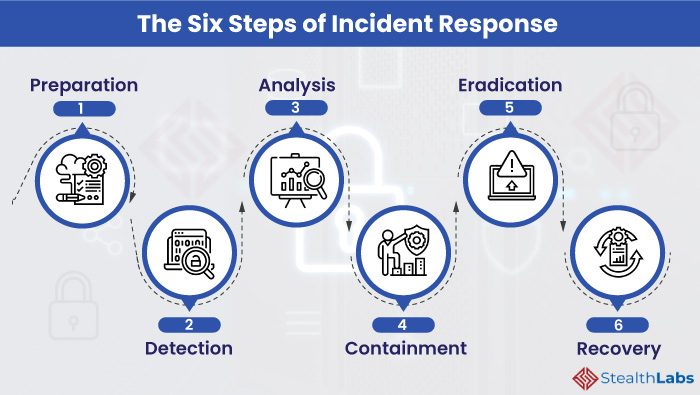
To respond to a cybersecurity incident, immediately assess the situation and contain the breach. Next, notify relevant stakeholders and begin recovery efforts.
How to Respond to a Cybersecurity Incident:Cybersecurity incidents can strike unexpectedly, posing significant risks to businesses and individuals alike. Effective response strategies are essential to minimize damage and recover swiftly. Organizations must develop a clear incident response plan that outlines roles, responsibilities, and procedures. This proactive approach helps teams act quickly and efficiently during a crisis.
Understanding the types of incidents, from data breaches to ransomware attacks, allows for tailored responses. Proper training and regular simulations enhance preparedness. Clear communication throughout the incident is crucial for maintaining trust and transparency. By prioritizing incident response, organizations can safeguard their assets and maintain operational integrity in the face of cyber threats.
Introduction To Cybersecurity Incidents
Cybersecurity incidents can disrupt business and personal life. These events include data breaches, ransomware attacks, and other cyber threats. Understanding these incidents is crucial for everyone.
The Rising Threat Of Cyber Attacks
Cyber attacks are becoming more frequent and sophisticated. Hackers target individuals and companies of all sizes. Here are some alarming statistics:
| Year | Number of Attacks | Cost to Businesses |
|---|---|---|
| 2021 | 60% Increase | $6 trillion |
| 2022 | 75% Increase | $8 trillion |
These numbers highlight the urgent need for strong cybersecurity measures. Businesses must act quickly to protect sensitive information.
Initial Steps When Facing A Security Breach
Reacting promptly can minimize damage. Follow these initial steps:
- Identify the breach source.
- Contain the incident to prevent further loss.
- Notify your cybersecurity team immediately.
- Assess the extent of the damage.
- Document all actions taken during the incident.
Being prepared helps in responding effectively. Have a plan ready before any incident occurs.
- Regularly update security software.
- Conduct employee training sessions.
- Perform routine security audits.
These practices can significantly reduce risks.
Immediate Response Strategies
Effective immediate response strategies are crucial during a cybersecurity incident. Quick actions can minimize damage. Here are key strategies to implement right away.
Isolating Affected Systems
Isolating affected systems helps contain the breach. This prevents further spread of the attack. Follow these steps:
- Disconnect the compromised device from the network.
- Turn off Wi-Fi and Bluetooth on the device.
- Inform your IT team immediately.
Document all actions taken. This helps with future analysis. Use a checklist to ensure nothing is missed:
| Step | Action | Status |
|---|---|---|
| 1 | Disconnect from network | Completed |
| 2 | Disable Wi-Fi | Completed |
| 3 | Notify IT team | Pending |
Identifying The Nature Of The Incident
Understanding the type of incident is vital. This aids in deciding the next steps. Gather information through:
- Review system logs for unusual activity.
- Check for unauthorized access attempts.
- Identify affected data and systems.
Use the following questions to guide your investigation:
- What type of attack occurred?
- Who is affected by this incident?
- What data might be compromised?
Document your findings. This will help in reporting and improving security measures.
Communication Protocol
Effective communication is vital during a cybersecurity incident. Clear protocols help reduce confusion. They ensure everyone knows their role and responsibilities. Prompt communication also builds trust within the organization.
Internal Notification Procedures
Internal notifications are crucial for quick response. Follow these steps:
- Identify the incident: Determine the nature and scope.
- Notify the team: Alert the cybersecurity team immediately.
- Inform management: Keep upper management updated on the situation.
- Document actions: Record all actions taken during the incident.
Use a predefined template for notifications. This ensures consistency and clarity. Here’s a simple notification template:
| Field | Description |
|---|---|
| Date and Time | [Insert date and time] |
| Incident Type | [Insert type of incident] |
| Initial Response | [Insert initial response actions] |
| Next Steps | [Insert planned actions] |
External Communication Guidelines
External communication is equally important. It helps manage public perception. Follow these guidelines:
- Designate a spokesperson: Choose someone knowledgeable.
- Prepare a statement: Draft a clear and concise statement.
- Keep it factual: Avoid speculation or unnecessary details.
- Timely updates: Provide updates as new information becomes available.
Consider these tips for effective external communication:
- Use simple language. Avoid jargon.
- Focus on key messages. Highlight what matters most.
- Monitor feedback. Respond to concerns quickly.
Effective communication builds trust. It reassures stakeholders during crises.
Engaging Your Incident Response Team
Responding effectively to a cybersecurity incident is crucial. Engaging your incident response team ensures swift action. Each member has specific roles and responsibilities. Proper coordination makes a significant difference.
Roles And Responsibilities
Every team member plays a vital role. Understanding their responsibilities is essential. Here’s a breakdown:
| Role | Responsibilities |
|---|---|
| Incident Manager | Oversees the incident response process. |
| Security Analyst | Analyzes threats and gathers data. |
| Communications Officer | Manages internal and external communications. |
| Legal Advisor | Ensures compliance with laws and regulations. |
Clear understanding of these roles leads to faster actions. Regular training and drills enhance readiness.
Collaboration With External Experts
Sometimes, internal resources aren’t enough. Engaging external experts can provide additional support. They bring specialized skills and knowledge. Here are key points for effective collaboration:
- Identify Trusted Partners: Choose firms with a solid reputation.
- Establish Clear Communication: Keep lines of communication open.
- Define Roles: Clarify what each party will do.
- Document Everything: Keep records of actions taken.
Collaboration can speed up recovery. It also enhances overall security posture.
Documentation And Evidence Preservation
Responding to a cybersecurity incident requires thorough documentation. This step is crucial for understanding what happened. Proper records help in analyzing the attack and preventing future incidents.
Importance Of Detailed Records
Keeping detailed records during a cybersecurity incident is vital. These records provide a timeline of events. They also help identify vulnerabilities and attack methods.
- Establishes a clear timeline: Document every action taken.
- Facilitates investigations: Provide accurate information to investigators.
- Aids in compliance: Meet legal and regulatory requirements.
Detailed records can include:
- Date and time of the incident.
- Systems affected.
- Actions taken to mitigate the incident.
- People involved in the response.
Securing Digital Forensics
Securing digital evidence is essential for forensic analysis. Proper handling prevents data loss or tampering. Follow these steps to secure digital forensics:
| Step | Description |
|---|---|
| Isolate affected systems | Disconnect from networks to prevent further damage. |
| Make forensic copies | Create exact copies of data for analysis. |
| Document the process | Record every step taken during evidence collection. |
| Preserve chain of custody | Keep a log of who handles the evidence. |
Following these steps ensures the integrity of the evidence. Secure evidence supports successful investigations. Always prioritize documentation and preservation during a cybersecurity incident.

Credit: www.upguard.com
Containment Tactics
Responding to a cybersecurity incident requires effective containment tactics. These tactics prevent further damage and protect important data. Quick action is crucial to limit the impact.
Short-term Containment Measures
Short-term containment focuses on immediate actions. These actions help stop the attack and secure systems. Here are key measures:
- Isolate affected systems: Disconnect from the network.
- Change passwords: Update all credentials for affected accounts.
- Limit user access: Restrict permissions to minimize exposure.
- Monitor network traffic: Look for unusual activities or connections.
- Communicate: Inform your team about the incident and updates.
Long-term Containment Strategies
Long-term strategies aim to prevent future incidents. These strategies strengthen security and improve response plans. Consider these actions:
- Conduct a full investigation: Identify the root cause of the incident.
- Update security policies: Revise policies based on lessons learned.
- Implement regular training: Educate staff on cybersecurity awareness.
- Invest in security tools: Use firewalls, anti-virus, and intrusion detection.
- Develop an incident response plan: Create a clear, actionable plan for future incidents.
Table below summarizes the tactics:
| Measure Type | Action |
|---|---|
| Short-term | Isolate affected systems |
| Short-term | Change passwords |
| Long-term | Conduct a full investigation |
| Long-term | Update security policies |
Eradication And Recovery
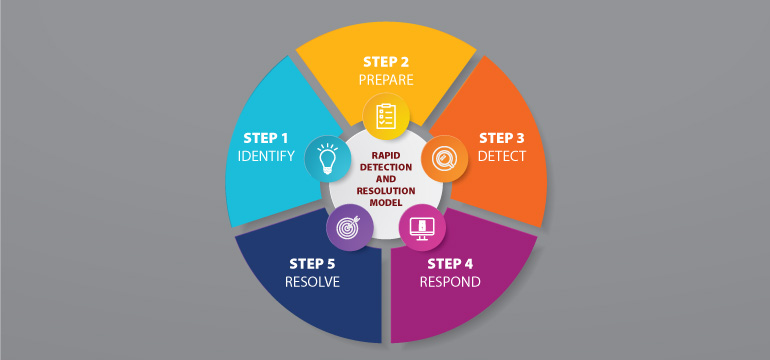
Eradication and recovery are crucial steps after a cybersecurity incident. This phase focuses on removing the threat from your systems and restoring normal operations. A well-planned approach minimizes downtime and protects your data.
Eliminating Threats From The System
To effectively eliminate threats, follow these key steps:
- Identify the Threat: Understand what type of attack occurred.
- Contain the Incident: Isolate affected systems to prevent further damage.
- Remove Malicious Software: Use trusted tools to scan and delete malware.
- Apply Patches: Update software to fix vulnerabilities.
- Change Passwords: Reset passwords for all accounts involved.
Use a detailed checklist to ensure thorough eradication. Here’s a simple table to guide you:
| Step | Description |
|---|---|
| Identify | Determine the nature of the attack. |
| Contain | Limit the spread of the incident. |
| Remove | Delete any malicious files or software. |
| Patch | Update all software to secure systems. |
| Reset | Change passwords for all affected accounts. |
Restoration Of Operations
Restoration is vital for returning to normalcy. Implement these steps for effective recovery:
- Assess Damage: Review what was lost or compromised.
- Restore Backups: Use clean backups to recover data.
- Test Systems: Ensure all systems function correctly.
- Monitor Activity: Watch for unusual behavior post-recovery.
- Document Everything: Keep records of the incident and actions taken.
Restoration should be swift to limit business impact. Stay proactive in monitoring systems and updating security protocols.
Credit: www.seqrite.com
Post-incident Analysis
Post-incident analysis is vital after a cybersecurity incident. It helps organizations understand what happened and how to prevent it in the future. This process involves a detailed examination of the incident and its impact.
Learning From The Incident
Learning from each cybersecurity incident is crucial. Organizations should gather insights that can strengthen their defenses. Here are steps to take:
- Identify the root cause of the breach.
- Assess the response effectiveness.
- Examine which security measures failed.
Consider documenting the findings in a report. This report can guide future actions. Include the following information:
| Aspect | Description |
|---|---|
| Incident Type | What kind of attack occurred? |
| Time of Incident | When did the incident happen? |
| Impact Assessment | What data or systems were affected? |
| Response Time | How quickly was the incident addressed? |
Improving Security Posture
Improving security posture prevents future incidents. After analyzing the incident, implement these steps:
- Update security policies and procedures.
- Train employees on new security measures.
- Conduct regular security audits.
- Enhance monitoring systems to detect threats earlier.
Consider adopting new technologies like:
- Intrusion detection systems.
- Advanced firewalls.
- Data encryption methods.
Regular reviews and updates are essential. This ensures that security measures evolve with emerging threats.
Legal And Regulatory Considerations
Understanding legal and regulatory considerations is vital after a cybersecurity incident. Companies must act quickly to comply with laws. This section covers two main areas: compliance with data breach laws and working with law enforcement.
Compliance With Data Breach Laws
Data breach laws vary by country and state. These laws require companies to notify affected individuals. Here are some key points to consider:
- Timeliness: Notify affected individuals within a set timeframe.
- Content: Include details about the breach and steps taken.
- Methods: Use email, letters, or public announcements.
Different regions have specific laws. Below is a table of some key laws in the U.S.:
| State | Law Name | Notification Period |
|---|---|---|
| California | California Consumer Privacy Act | Within 72 hours |
| New York | New York SHIELD Act | Within 72 hours |
| Texas | Texas Identity Theft Enforcement and Protection Act | Within 60 days |
Working With Law Enforcement
After a cybersecurity incident, engaging law enforcement is crucial. They can help investigate the breach. Here are steps to take:
- Report the incident: Provide all relevant details.
- Maintain communication: Stay in touch for updates and guidance.
- Document everything: Keep records of all communications.
Collaboration with law enforcement can enhance recovery efforts. It may also help prevent future incidents. Always prioritize transparency and cooperation.

Credit: axaxl.com
Frequently Asked Questions
What Are The First Steps In A Cybersecurity Incident?
The initial steps in a cybersecurity incident include identifying the breach, assessing the damage, and containing the threat. Quickly notifying your incident response team is crucial. This allows for immediate investigation and mitigation efforts to minimize potential data loss and further risks.
How Can I Improve My Incident Response Plan?
To enhance your incident response plan, conduct regular training and simulations for your team. Regularly update your plan based on new threats and vulnerabilities. Ensure clear communication protocols are established. Additionally, review and analyze past incidents for lessons learned to strengthen your response strategies.
What Tools Are Essential For Responding To Incidents?
Essential tools for incident response include intrusion detection systems, antivirus software, and security information and event management (SIEM) systems. These tools help in monitoring, detecting, and analyzing threats effectively. Additionally, incident management platforms can streamline communication and documentation during an incident.
How Do I Communicate During A Cybersecurity Incident?
During a cybersecurity incident, clear and timely communication is vital. Notify stakeholders, including employees and customers, about potential impacts. Use designated communication channels to provide updates and instructions. Ensure transparency while maintaining confidentiality to preserve trust and manage reputational risks.
Conclusion
Responding to a cybersecurity incident requires swift action and clear communication. Establishing a solid response plan is crucial for minimizing damage. Regular training and updates ensure your team is prepared. Prioritize recovery and learn from each incident. A proactive approach will strengthen your defenses against future threats.
Stay vigilant and informed.


Leave a Reply