

Top-rated firewall solutions for corporate network security include Palo Alto Networks, Fortinet, and Cisco. These options provide robust protection against cyber threats.
In today’s digital landscape, corporate network security is paramount. Businesses face increasing threats from cybercriminals, making effective firewall solutions essential. Firewalls serve as the first line of defense, controlling incoming and outgoing traffic to safeguard sensitive data. Selecting the right solution involves considering factors like scalability, ease of management, and advanced threat detection capabilities.
Organizations must invest in firewalls that not only protect their networks but also adapt to evolving security challenges. This blog explores the top-rated firewall solutions that can help businesses fortify their network security and maintain operational integrity. Understanding these options empowers decision-makers to choose the best fit for their unique security needs.

Credit: www.spiceworks.com
Introduction To Corporate Network Security
Corporate network security is vital for protecting sensitive data. Companies face constant threats from cybercriminals. Firewalls play a key role in defending networks. They monitor incoming and outgoing traffic, blocking malicious attempts.
Understanding firewalls is essential for any organization. This post will explore the best firewall solutions available. Organizations can secure their networks effectively with the right tools.
The Importance Of Firewalls
Firewalls act as a barrier between trusted and untrusted networks. They help in controlling data flow and preventing unauthorized access.
- Data Protection: Firewalls shield sensitive information from breaches.
- Access Control: They restrict access to only authorized users.
- Threat Detection: Firewalls identify and mitigate potential threats.
- Compliance: They help businesses meet regulatory standards.
Evolving Threats And Network Defense
Cyber threats evolve constantly. Hackers use advanced methods to breach defenses. Firewalls must adapt to these changes.
Key threats include:
- Malware attacks
- Phishing attempts
- Denial-of-Service (DoS) attacks
- Insider threats
Modern firewalls offer features like:
- Intrusion Detection: Monitors suspicious activities.
- Application Control: Manages application usage.
- VPN Support: Secures remote connections.
Investing in a strong firewall solution is essential. It ensures the safety and integrity of corporate networks.
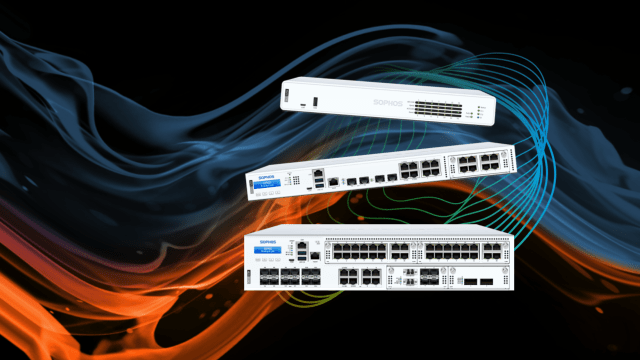
Credit: news.sophos.com
Criteria For Evaluating Firewall Solutions
Choosing the right firewall solution is critical for corporate network security. Various factors influence the effectiveness of a firewall. Understanding these criteria helps make informed decisions. Here are key aspects to consider.
Performance Metrics
Performance metrics determine how well a firewall functions. Key metrics include:
- Throughput: The amount of data processed per second.
- Latency: The delay in data transmission.
- Concurrent Connections: The number of simultaneous connections supported.
High throughput and low latency are essential for smooth operations. Assess these metrics through testing and vendor specifications.
Compatibility With Existing Systems
Your firewall must work well with current systems. Compatibility ensures seamless integration. Key areas to evaluate include:
- Operating Systems: Check if it supports your OS.
- Network Protocols: Ensure it works with TCP/IP and others.
- Hardware: Verify if it fits existing infrastructure.
Incompatibility can lead to issues. Always review compatibility before making a choice.
Ease Of Management
Management plays a crucial role in firewall effectiveness. A user-friendly interface simplifies monitoring and configuration. Consider the following:
- Dashboard: Look for an intuitive dashboard.
- Reporting Tools: Ensure it provides clear reports.
- Alerts: Check for real-time alerts on threats.
Less complexity in management leads to better security. Choose solutions that minimize administrative burdens.
Hardware Vs. Software Firewalls
Understanding the differences between hardware and software firewalls is crucial for corporate network security. Each type offers unique features and benefits. Choosing the right one depends on your organization’s specific needs.
Pros And Cons
| Type | Pros | Cons |
|---|---|---|
| Hardware Firewalls |
|
|
| Software Firewalls |
|
|
Use Cases For Each Type
- Hardware Firewalls
- Best for large enterprises
- Ideal for data centers
- Recommended for protecting multiple devices
- Software Firewalls
- Great for small businesses
- Useful for remote workers
- Perfect for individual computers
Popular Firewall Solutions For Large Enterprises
Large enterprises face unique challenges in network security. A robust firewall solution is essential. It protects sensitive data and keeps threats at bay. Here, we explore some of the most popular firewall solutions tailored for large corporations.
Features Of Leading Hardware Firewalls
Hardware firewalls offer a range of advanced features. They provide dedicated hardware for enhanced performance. Below are key features of top-rated hardware firewalls:
| Feature | Description |
|---|---|
| High Throughput | Handles large amounts of data efficiently. |
| Intrusion Prevention | Detects and blocks potential threats in real-time. |
| VPN Support | Secures remote access for employees. |
| Advanced Reporting | Offers detailed logs and analytics for monitoring. |
These features ensure strong security and performance. Hardware firewalls are ideal for handling high traffic volumes.
Advantages Of Top Software Firewalls
Software firewalls provide flexibility and ease of use. They can be updated regularly to combat new threats. Here are some advantages of top software firewalls:
- Cost-Effective: Often less expensive than hardware solutions.
- Easy to Deploy: Quick installation on existing systems.
- Scalability: Easily adjust resources as the business grows.
- Customizable Rules: Tailor security settings to specific needs.
Software firewalls are suitable for dynamic environments. They adapt quickly to changing security requirements.
Budget-friendly Firewalls For Small Businesses
Small businesses need strong security without breaking the bank. Budget-friendly firewalls offer essential protection against cyber threats. They help secure networks while being cost-effective.
Cost-effective Options
Choosing the right firewall can save money. Here are some top-rated, budget-friendly firewalls:
| Firewall Solution | Price Range | Key Features |
|---|---|---|
| Ubiquiti UniFi Security Gateway | $99 – $199 | VPN support, VLAN support, easy management. |
| Fortinet FortiGate 30E | $250 – $350 | Advanced threat protection, SSL inspection, easy to set up. |
| TP-Link SafeStream TL-R605 | $59 – $99 | Multi-WAN support, bandwidth control, firewall protection. |
Balancing Price And Performance
Finding the right balance is crucial. Consider these factors:
- Features: Ensure essential features are included.
- Scalability: Choose a firewall that can grow with your business.
- Support: Look for vendors with strong customer support.
Prioritize firewalls that offer good performance at lower costs. Read user reviews to gauge reliability. Remember, a cheap firewall can cost more in the long run if it fails to protect your network.
Investing in a budget-friendly firewall is smart. It safeguards your business while keeping costs manageable.
Advanced Features In Modern Firewalls
Modern firewalls offer advanced features that enhance corporate network security. These features help protect sensitive data and prevent unauthorized access. Businesses must choose firewalls with the best capabilities to stay secure.
Intrusion Prevention Systems
Intrusion Prevention Systems (IPS) are crucial for identifying and stopping threats in real-time. They monitor network traffic for suspicious activity and automatically take action to block potential attacks.
- Detects known and unknown threats
- Provides alerts for any malicious activity
- Reduces false positives through advanced algorithms
IPS works by analyzing packets and identifying patterns. It can block unwanted traffic before it reaches the network.
Deep Packet Inspection
Deep Packet Inspection (DPI) inspects data packets more thoroughly than traditional firewalls. It examines the content of packets, not just the headers.
- Identifies applications and protocols in use
- Detects malware and harmful content
- Enforces security policies based on packet content
DPI helps in understanding the traffic on the network. This insight allows for better security measures.
Cloud Integration
Cloud Integration is essential for modern firewalls. It allows organizations to extend their security measures to cloud services.
- Centralizes security management
- Enables real-time monitoring of cloud environments
- Offers scalable solutions for growing businesses
With cloud integration, firewalls can protect data stored in the cloud. This ensures comprehensive security across all platforms.
Firewall Management Best Practices
Effective firewall management is crucial for corporate network security. Following best practices helps prevent unauthorized access and data breaches. Here are key strategies to enhance your firewall management.
Regular Updates And Patches
Keeping your firewall software updated is essential. Regular updates fix vulnerabilities and improve performance. Here are some steps to follow:
- Schedule updates frequently.
- Enable automatic updates if possible.
- Review vendor announcements for urgent patches.
Consider this table for update frequency:
| Update Type | Frequency |
|---|---|
| Security Patches | As needed |
| Feature Updates | Monthly |
| Firmware Updates | Quarterly |
Policy Configuration And Review
Firewall policies dictate network traffic flow. Proper configuration is vital for security. Follow these guidelines:
- Define clear access rules.
- Restrict unnecessary ports and protocols.
- Review policies quarterly for relevance.
Regular reviews help spot weaknesses. Document changes for future reference. This practice ensures your policies remain effective against evolving threats.
Real-world Case Studies
Understanding firewall solutions through real-world examples helps businesses. These case studies show how companies improved their network security. They highlight both successes and lessons learned from breaches.
Success Stories Of Firewall Implementation
Many organizations have successfully implemented firewalls. Here are a few standout examples:
- TechCorp: After a firewall upgrade, TechCorp reduced breaches by 70%. They used a next-gen firewall.
- FinanceSecure: Implemented a firewall that blocked 90% of phishing attacks. They improved customer trust significantly.
- HealthNet: Adopted a layered firewall strategy. This approach protected sensitive patient data effectively.
These companies show how effective firewalls can be. They not only protect data but also enhance reputation.
Lessons Learned From Security Breaches
Security breaches reveal important lessons. Organizations can learn from their mistakes to improve security.
| Company | Type of Breach | Key Lesson |
|---|---|---|
| RetailGiant | Data Theft | Regular updates on firewalls are crucial. |
| EduNetwork | Unauthorized Access | Implement multi-factor authentication. |
| ManufactureX | Ransomware Attack | Invest in employee training on phishing. |
These cases highlight the need for proactive measures. Companies must stay vigilant to protect their networks.
Future Of Firewall Technology
The future of firewall technology promises exciting advancements. Businesses face increasing threats. New solutions will enhance protection and efficiency. Firewalls will evolve to meet modern challenges.
Ai And Machine Learning In Firewalls
AI and machine learning are changing firewall technology. They help firewalls learn from data patterns. This leads to faster and smarter threat detection.
- Automatic Threat Detection: AI identifies threats without human input.
- Behavior Analysis: Machine learning analyzes user behavior for anomalies.
- Adaptive Security: Firewalls adjust settings based on current threats.
These features make firewalls more effective. Businesses can respond quickly to new attacks.
Predictions For Network Security
Experts predict several trends in network security:
- Integration of Cloud Services: More companies will use cloud-based firewalls.
- Enhanced Zero Trust Models: Security will focus on verifying every user.
- Increased Focus on IoT Security: More attention on protecting IoT devices.
These trends will shape the future of firewalls. Companies must adapt to stay secure.
| Trend | Description |
|---|---|
| Cloud Integration | Shift to cloud-based firewall solutions. |
| Zero Trust | Verification of all users and devices. |
| IoT Focus | Protection of Internet of Things devices. |
These predictions highlight the need for advanced security measures. Companies should invest in future-ready firewall solutions.

Credit: cybersecuritynews.com
Frequently Asked Questions
What Are The Best Firewall Solutions For Businesses?
The best firewall solutions for businesses include options like Palo Alto Networks, Fortinet, and Cisco. These solutions offer robust security features and scalability. They effectively protect against cyber threats while ensuring compliance with industry regulations. Consider the specific needs of your organization when choosing the right solution.
How Do Firewalls Protect Corporate Networks?
Firewalls protect corporate networks by monitoring incoming and outgoing traffic. They filter data packets based on predetermined security rules. This helps prevent unauthorized access and potential cyberattacks. Additionally, firewalls can log traffic for analysis and alert administrators of suspicious activities.
What Features Should I Look For In A Firewall?
When choosing a firewall, look for features like intrusion detection, VPN support, and application control. Other important aspects include user-friendly interfaces, reporting capabilities, and scalability. Advanced threat protection and regular updates are also crucial for maintaining security in an evolving threat landscape.
Are Hardware Or Software Firewalls Better For Security?
Both hardware and software firewalls have unique advantages. Hardware firewalls typically offer better performance and dedicated protection for the entire network. Software firewalls provide flexibility and easy installation on individual devices. The best choice depends on your organization’s specific security requirements and infrastructure.
Conclusion
Choosing the right firewall solution is crucial for corporate network security. Each option offers unique features tailored to different needs. Prioritize solutions that provide robust protection, ease of use, and excellent support. Invest time in research to safeguard your organization effectively.
A solid firewall is your first line of defense against cyber threats.


Leave a Reply