

To become a Certified Ethical Hacker, complete the EC-Council’s CEH training and pass the CEH exam. Prior experience in IT security is recommended.
How to Become a Certified Ethical Hacker:Ethical hacking plays a crucial role in safeguarding digital assets. As cyber threats increase, the demand for skilled ethical hackers rises. Certification in ethical hacking validates your expertise and opens career opportunities. The EC-Council’s CEH certification is globally recognized. It covers network security, penetration testing, and vulnerability assessment.
Prior IT security experience helps, but beginners can also start by learning the basics. Passing the CEH exam requires dedication and study. Many resources, including official training, online courses, and study guides, are available. Achieving CEH certification boosts your credibility and career prospects in cybersecurity.
Introduction To Ethical Hacking
Ethical hacking is a vital field in cybersecurity. It involves protecting systems by finding weaknesses. Certified ethical hackers use their skills for good. They help organizations secure their data and networks. This guide explains how to become a certified ethical hacker.
What Is Ethical Hacking?
Ethical hacking involves legally breaking into systems. The goal is to find and fix security flaws. Ethical hackers follow strict rules and guidelines. They work with the permission of the system’s owner. Their job is to keep data safe from malicious attacks.
- Identify vulnerabilities
- Test security measures
- Report findings
- Recommend improvements
Importance Of Ethical Hackers
Ethical hackers play a key role in cybersecurity. They help prevent data breaches. They also save companies from financial loss. By finding flaws, they stop hackers from exploiting them. Ethical hackers also protect personal information. They ensure that sensitive data stays private.
| Role | Benefit |
|---|---|
| Identify Threats | Prevents cyber attacks |
| Secure Data | Protects sensitive information |
| Improve Systems | Enhances security measures |
Credit: www.youtube.com
Essential Skills And Knowledge
Becoming a Certified Ethical Hacker requires a blend of technical and soft skills. This section highlights the essential skills and knowledge you need to excel in this field.
Technical Skills
Technical skills form the backbone of ethical hacking. You need a strong foundation in various areas:
- Networking: Understand how networks function. Know about protocols and services.
- Operating Systems: Be proficient in Windows, Linux, and macOS. Know how to secure and exploit them.
- Programming Languages: Learn programming languages like Python, C++, and JavaScript. These help in writing scripts and understanding malware.
- Cryptography: Grasp encryption and decryption techniques. Understand how to protect and break codes.
- Web Technologies: Know how web servers and applications operate. Familiarize yourself with SQL, HTML, and JavaScript.
Soft Skills
Soft skills are equally crucial for an ethical hacker. These skills help in effective communication and problem-solving:
- Analytical Thinking: Analyze complex issues and find solutions. Stay calm under pressure.
- Attention to Detail: Notice small details that others might miss. This helps in identifying vulnerabilities.
- Communication Skills: Explain technical issues in simple terms. Communicate effectively with team members and clients.
- Ethical Judgment: Make the right choices. Always adhere to legal and ethical standards.
- Continuous Learning: Stay updated with the latest security trends. Keep learning new techniques and tools.
Educational Requirements
Becoming a Certified Ethical Hacker (CEH) requires a solid educational background. This section covers the essential educational requirements needed for this career path. Understanding these will help you plan your journey effectively.
Degree Programs
Pursuing a degree in Computer Science or Information Technology is highly recommended. These programs provide foundational knowledge in various fields:
- Computer Networks
- Cybersecurity Principles
- Programming Languages
A Bachelor’s degree is often the minimum requirement. Some employers prefer candidates with a Master’s degree. This higher education level can open more advanced opportunities.
Relevant Courses
Several courses are crucial for an aspiring Certified Ethical Hacker. Here are some key courses you should focus on:
| Course Name | Importance |
|---|---|
| Network Security | Understanding the basics of securing networks |
| Cryptography | Learn the art of encrypting information |
| Operating Systems | Gain deep knowledge of OS architecture |
| Programming | Essential for writing and understanding code |
| Web Security | Protect web applications from threats |
These courses provide the necessary skills and knowledge. They prepare you for real-world ethical hacking challenges.
- Network Security: Learn the protocols and techniques to secure networks.
- Cryptography: Understand how to protect data through encryption.
- Operating Systems: Gain insights into how different operating systems work.
- Programming: Develop the ability to write and debug code effectively.
- Web Security: Learn to safeguard web applications against various threats.
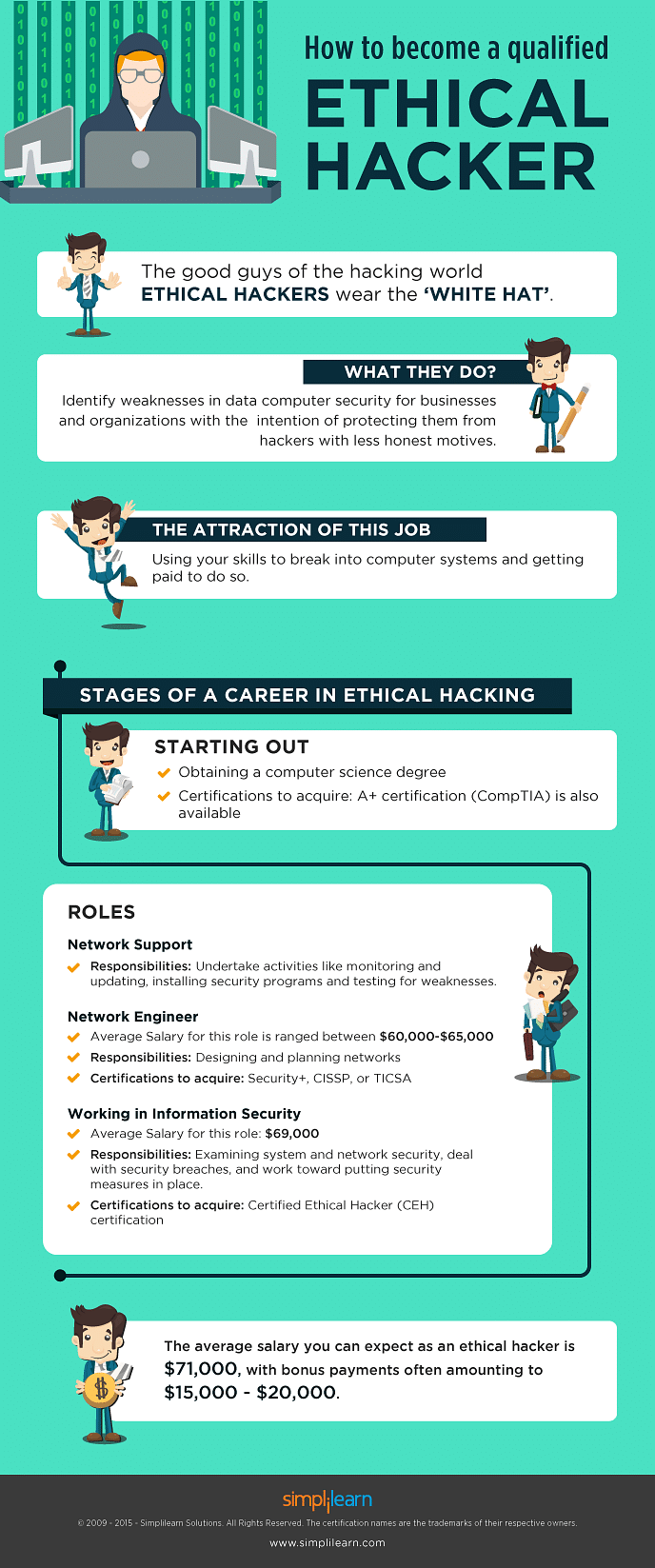
Taking these courses will make you a competent ethical hacker. They are critical for achieving your CEH certification.
Credit: www.simplilearn.com
Certification Paths
To become a certified ethical hacker, you need to follow specific certification paths. These paths provide you with the necessary knowledge and skills. Here, we will discuss popular certifications and how to choose the right one.
Popular Certifications
Several certifications can help you become an ethical hacker. Some of the most popular ones include:
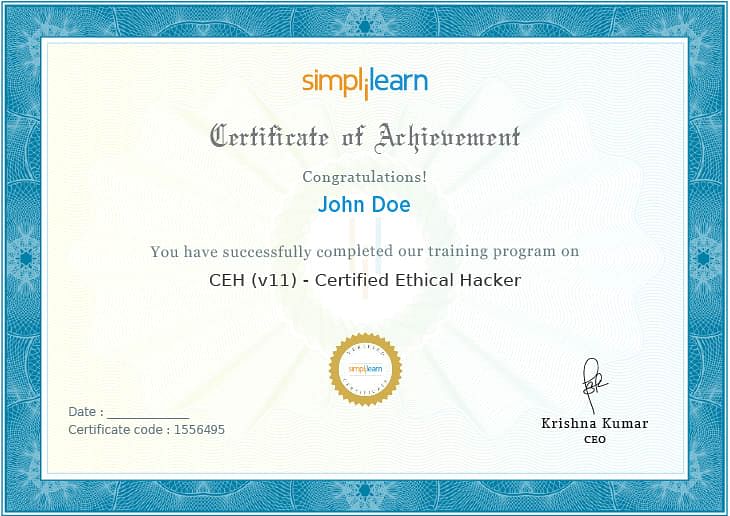
- Certified Ethical Hacker (CEH): Offered by EC-Council, this is a widely recognized certification.
- Offensive Security Certified Professional (OSCP): Provided by Offensive Security, this certification is highly respected.
- GIAC Penetration Tester (GPEN): This certification is offered by Global Information Assurance Certification (GIAC).
- Certified Information Systems Security Professional (CISSP): Offered by ISC2, it covers a broad range of security topics.
Choosing The Right Certification
Choosing the right certification depends on your career goals and current skills. Here are some tips to help you decide:
- Assess Your Skills: Determine your current level of knowledge in cybersecurity.
- Understand Your Goals: Identify what you want to achieve with the certification.
- Research Each Certification: Look into the details of each certification, including requirements and benefits.
- Consider Your Budget: Certifications can be expensive, so consider the costs involved.
- Check Job Requirements: Look at job listings to see which certifications are in demand.
By understanding these factors, you can choose the certification that best fits your needs.
Preparing For The Exam
Preparing for the Certified Ethical Hacker (CEH) exam can be challenging. This section will guide you through the essentials of exam preparation. Focus on study resources and practice tests to maximize your success.
Study Resources
Having the right study resources is crucial for CEH exam success. Here are some essential resources:
- Official EC-Council Courseware: The official courseware is comprehensive and up-to-date.
- CEH Study Guide: A well-reviewed guide helps you understand key concepts.
- Video Tutorials: Platforms like Udemy and LinkedIn Learning offer quality courses.
- Books: Recommended books include “CEH v11: Certified Ethical Hacker Study Guide”.
These resources provide in-depth knowledge and practical insights. Balance your study material to cover all exam domains.
Practice Tests
Practice tests are vital for CEH exam preparation. They help you familiarize yourself with the exam format and identify weak areas.
- Official EC-Council Practice Tests: These tests closely mimic the actual exam.
- Third-Party Practice Tests: Websites like Boson and TestPrep offer quality practice tests.
- Mock Exams: Simulate real exam conditions to improve time management skills.
Regular practice tests build your confidence and improve your problem-solving skills. Aim to take at least one practice test per week.
Gaining Practical Experience
Gaining practical experience is essential for becoming a certified ethical hacker. Practical experience helps you apply theoretical knowledge. It ensures you are ready for real-world challenges. Here are some ways to gain practical experience.
Hands-on Labs
Hands-on labs are a great way to practice ethical hacking. Labs provide a controlled environment. You can test various hacking techniques. This helps you understand how different attacks work. Many online platforms offer hands-on labs. Some popular platforms include TryHackMe and Hack The Box. These platforms allow you to practice skills safely.
- TryHackMe: Offers beginner to advanced labs.
- Hack The Box: Focuses on real-world scenarios.
Internships And Projects
Internships and projects are crucial for gaining real-world experience. Internships provide you with industry exposure. You can work with professionals and learn from them. Many companies offer internships in cybersecurity. Look for companies with a focus on ethical hacking.
Projects also help you gain experience. You can start small projects on your own. Participate in open-source projects related to cybersecurity. This gives you practical knowledge and enhances your resume.
| Activity | Benefit |
|---|---|
| Internships | Industry exposure and mentorship |
| Projects | Hands-on experience and resume enhancement |
Both internships and projects are valuable for becoming a certified ethical hacker. They provide practical experience and improve your skills.
Job Market And Opportunities
The demand for ethical hackers is growing rapidly. Companies need skilled professionals to protect their networks. Becoming a certified ethical hacker opens many doors. The job market is full of opportunities. Let’s explore the industries hiring ethical hackers and career advancement paths.
Industries Hiring Ethical Hackers
Ethical hackers are needed across many sectors. Here are some key industries:
- Financial Services: Banks and insurance firms need to protect customer data.
- Healthcare: Hospitals and clinics safeguard patient records.
- Government: Agencies need to secure national security information.
- Technology: Tech companies protect intellectual property and user data.
- E-commerce: Online retailers safeguard transaction data.
Career Advancement
Starting as a certified ethical hacker opens many paths. Here are some career advancements:
| Role | Responsibilities |
|---|---|
| Security Analyst | Monitor and prevent security breaches. |
| Penetration Tester | Test systems for vulnerabilities. |
| Security Consultant | Advise companies on security practices. |
| Chief Information Security Officer (CISO) | Lead an organization’s security strategy. |
Certifications and experience lead to higher roles. Ethical hackers often become team leaders. They also move into specialized fields like forensic analysis. The possibilities are vast and rewarding.
Credit: www.simplilearn.com
Continuing Education
Becoming a Certified Ethical Hacker is just the beginning. To stay ahead, continuous learning is crucial. This section covers ways to advance your skills and knowledge.
Advanced Certifications
After earning your initial certification, consider pursuing advanced certifications. These can deepen your expertise and make you more marketable.
- Certified Information Systems Security Professional (CISSP): This is a globally recognized certification.
- Certified Information Security Manager (CISM): Focuses on management more than technical skills.
- Offensive Security Certified Professional (OSCP): Known for its hands-on approach.
These certifications not only enhance your skills but also improve your job prospects.
Staying Updated With Trends
The cyber world changes quickly. To stay relevant, you must keep up with the latest trends.
Here are some tips to stay updated:
- Join Online Forums: Participate in communities like Reddit and Stack Overflow.
- Subscribe to Newsletters: Get regular updates from sources like Cybersecurity News.
- Attend Webinars: Learn from industry experts through online events.
Regularly updating your knowledge helps you stay ahead in the field.
| Resource | Description |
|---|---|
| Online Courses | Platforms like Coursera and Udemy offer specialized courses. |
| Industry Blogs | Follow blogs like Krebs on Security for the latest news. |
Frequently Asked Questions
What Is A Certified Ethical Hacker?
A Certified Ethical Hacker (CEH) is a professional trained to find and fix security vulnerabilities in systems. They use the same skills as malicious hackers but in a legal and ethical manner.
How To Get Ceh Certification?
To get CEH certification, you need to pass the EC-Council’s CEH exam. It’s recommended to take an official training course and gain practical experience.
How Long Does It Take To Become A Ceh?
Becoming a CEH can take several months, depending on your prior knowledge and study schedule. Training programs typically last a few weeks.
What Are The Prerequisites For Ceh Certification?
There are no strict prerequisites, but having a basic understanding of networking and security concepts is beneficial. Some experience in IT or cybersecurity is also helpful.
Conclusion
Becoming a Certified Ethical Hacker opens doors to exciting career opportunities. Follow the steps outlined, study hard, and gain practical experience. Certification not only boosts your skills but also enhances job prospects. Stay updated with the latest cybersecurity trends to remain relevant in this dynamic field.
Start your journey today!


Leave a Reply