
To create an effective information security policy, identify your organization’s specific security needs and regulatory requirements. Develop clear guidelines that address data protection, access control, and incident response.
How to Create an Effective Information Security Policy for Organizations:An effective information security policy is crucial for safeguarding organizational assets. It serves as a roadmap to protect sensitive data and mitigate risks. Establishing such a policy starts with understanding potential threats and vulnerabilities unique to your business. Engaging stakeholders ensures the policy aligns with organizational goals and regulatory obligations.
Clear, concise language makes the policy more accessible to all employees. Regularly reviewing and updating the policy keeps it relevant to evolving security threats. A robust information security policy promotes a culture of security awareness, empowering employees to contribute to the organization’s overall safety.
Introduction To Information Security Policies
An effective information security policy is essential for every organization. It sets the framework for protecting sensitive data. Organizations face many security threats. A strong policy helps to manage these risks effectively.
The Role Of Security Policies In Organizations
Security policies guide how an organization protects its data. They outline the rules for handling information safely.
- Define roles and responsibilities.
- Establish protocols for data access.
- Set guidelines for incident response.
Every employee plays a role in security. Clear policies help everyone understand their responsibilities. This promotes a culture of security awareness.
Key Benefits Of Implementing Robust Security Measures
Implementing strong security policies offers various benefits:
| Benefit | Description |
|---|---|
| Risk Reduction | Minimizes the chances of data breaches. |
| Regulatory Compliance | Ensures adherence to legal requirements. |
| Increased Trust | Builds confidence among clients and partners. |
| Efficient Incident Management | Facilitates quick response to security issues. |
Robust security measures protect valuable assets. They help in maintaining business continuity. Investing in security policies is vital for long-term success.
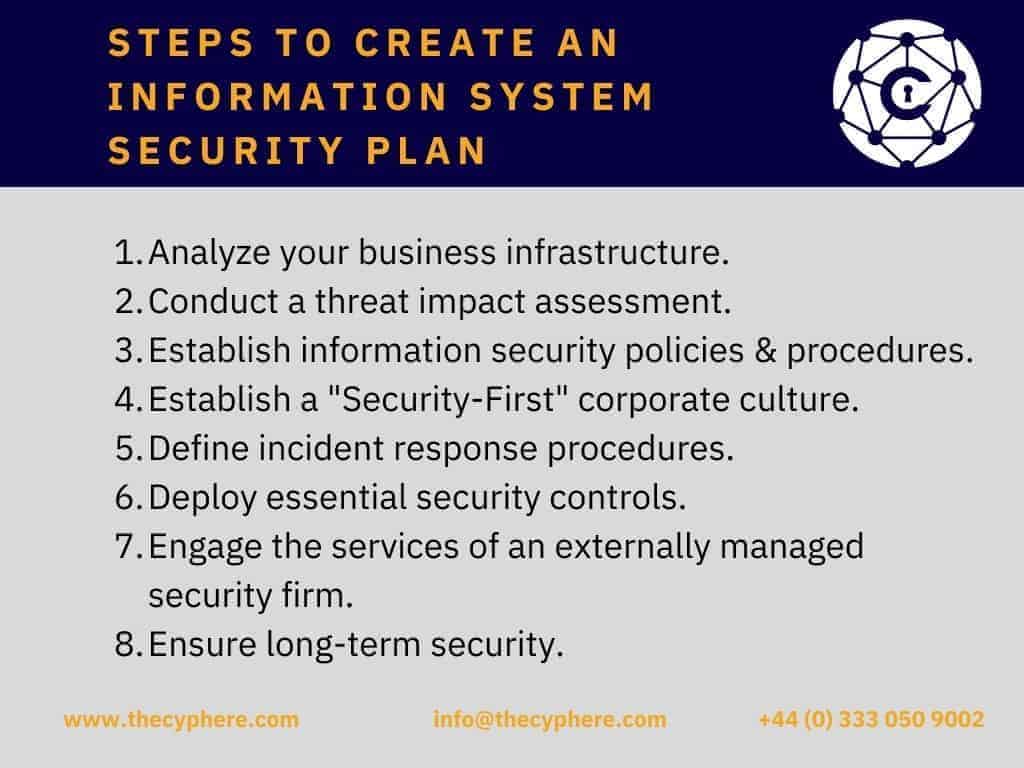
Credit: thecyphere.com
Identifying The Scope And Purpose
Creating an effective information security policy starts with identifying its scope and purpose. This step defines what your organization aims to protect. It also clarifies why these protections are necessary.
Determining What Needs To Be Protected
Begin by identifying key assets. These assets can include:
- Customer data
- Employee information
- Intellectual property
- Financial records
- Network infrastructure
Assess each asset’s value. This helps prioritize security measures. Use a simple table for clarity:
| Asset | Value | Risk Level |
|---|---|---|
| Customer Data | High | Critical |
| Employee Information | Medium | High |
| Intellectual Property | High | Medium |
| Financial Records | High | Critical |
| Network Infrastructure | Medium | High |
Setting Clear Objectives For Your Security Policy
Establish clear goals for your security policy. These objectives guide the development and implementation of security measures.
- Protect sensitive data from unauthorized access.
- Ensure compliance with legal and regulatory requirements.
- Reduce the risk of data breaches.
- Promote a security-aware culture among employees.
Each objective should be measurable. This allows tracking of progress and effectiveness. Regular reviews help refine these objectives.
Conducting A Risk Assessment
Conducting a risk assessment is essential for creating an effective information security policy. It helps identify potential threats and weaknesses. Understanding these risks allows organizations to protect sensitive data. A thorough assessment enables informed decisions about security measures.
Understanding The Threat Landscape
To safeguard your organization, recognize the various threats. Threats can come from different sources, including:
- Cybercriminals
- Insider threats
- Natural disasters
- Malware and viruses
- Phishing attacks
Each threat can lead to data breaches. Assess the likelihood of each threat affecting your organization. Use the following table to summarize key threats:
| Threat Type | Likelihood | Impact Level |
|---|---|---|
| Cybercriminals | High | Severe |
| Insider Threats | Medium | Moderate |
| Natural Disasters | Low | High |
Analyzing Vulnerabilities Within The Organization
Identifying vulnerabilities is crucial for effective risk management. Examine areas that may be susceptible to attacks:
- Outdated software and systems
- Weak passwords and access controls
- Untrained employees
- Lack of data encryption
Conduct regular audits to find these weaknesses. Use tools like vulnerability scanners to assist in this process. Address each vulnerability with appropriate security measures. This proactive approach reduces potential risks.

Credit: community.trustcloud.ai
Developing Policy Framework
Creating a strong information security policy starts with a solid framework. This framework guides organizations in protecting sensitive data. It defines roles, responsibilities, and procedures. A well-structured policy framework helps reduce risks and ensures compliance.
Establishing Governance Structure
A governance structure sets the tone for security in an organization. It outlines who is responsible for what. Clear roles help in decision-making and accountability. Here are key components:
- Executive Leadership: Provides support and resources.
- Information Security Officer: Oversees security policies.
- Security Committee: Reviews and updates security measures.
Assigning clear roles is essential. Each team member should understand their responsibilities. This clarity helps in swift action during security incidents.
Creating Standards, Guidelines, And Procedures
Standards, guidelines, and procedures form the backbone of any security policy. They provide a roadmap for security practices. Here’s how to create them:
- Identify Requirements: Understand legal and regulatory needs.
- Define Standards: Set minimum security measures.
- Develop Guidelines: Offer best practices for employees.
- Create Procedures: Outline steps for specific security tasks.
Consider this table for further clarity:
| Type | Description |
|---|---|
| Standards | Mandatory security measures for all departments. |
| Guidelines | Recommended practices for enhanced security. |
| Procedures | Step-by-step instructions for tasks. |
Regularly review these elements to keep them relevant. Engaging employees in this process promotes awareness. A well-defined framework aids in maintaining strong security posture.
Key Elements Of An Effective Security Policy
Creating a strong information security policy is crucial for organizations. It protects sensitive data and ensures compliance with laws. Key elements guide the development of an effective policy. Below, we explore these key elements in detail.
Defining Roles And Responsibilities
Clear roles and responsibilities strengthen security measures. Assigning specific tasks helps everyone understand their duties. Here are essential roles:
- Chief Information Security Officer (CISO): Oversees the security program.
- IT Security Team: Implements security measures.
- Employees: Follow security protocols and report incidents.
- Data Owners: Manage access to sensitive information.
Consider creating a table for easy reference:
| Role | Responsibilities |
|---|---|
| CISO | Leads security strategy and compliance. |
| IT Security Team | Handles technical security measures. |
| Employees | Adhere to policies and report issues. |
| Data Owners | Control access to sensitive data. |
Data Protection And Privacy Considerations
Data protection is vital for maintaining customer trust. Organizations must prioritize privacy. Here are key considerations:
- Data Classification: Categorize data based on sensitivity.
- Access Control: Limit data access to authorized users.
- Encryption: Encrypt sensitive data during storage and transfer.
- Incident Response: Develop a plan for data breaches.
Employees should understand the importance of data privacy. Regular training will reinforce this. Clear guidelines help everyone protect sensitive information.
Involving Stakeholders And Training
Creating an effective information security policy requires participation from everyone. Engaging stakeholders builds a culture of security. Training ensures everyone understands their role in protecting data.
Engaging With Employees And Management
Involving employees and management is crucial. Their input helps shape relevant policies. Here’s how to engage effectively:
- Conduct surveys to gather opinions.
- Hold workshops to discuss security needs.
- Establish a security committee with diverse members.
- Communicate policy changes clearly and frequently.
Management support is vital for policy success. Their commitment encourages employees to take security seriously. Regular updates keep everyone informed and engaged.
Designing An Effective Training Program
Training programs should be engaging and informative. Consider the following steps:
- Identify key topics, such as phishing and password security.
- Use real-life examples to illustrate risks.
- Incorporate hands-on activities for better retention.
- Evaluate training effectiveness through assessments.
Make training accessible and ongoing. Use various formats such as:
| Training Format | Description |
|---|---|
| Online Courses | Flexible learning that fits schedules. |
| In-Person Workshops | Interactive sessions for deeper understanding. |
| Webinars | Live sessions with experts for Q&A. |
| Monthly Newsletters | Regular updates on security trends. |
Regular training keeps security top of mind. Employees will feel more confident in their roles. Strong training fosters a proactive security culture.
Implementing The Security Policy
Implementing a security policy is crucial for protecting your organization. It sets clear guidelines for everyone to follow. A well-implemented policy reduces risks and enhances security awareness.
Integration With Existing Systems And Processes
Integrating the security policy with current systems is vital. This ensures smooth operation and compliance. Here are key steps:
- Identify existing systems: List all software and hardware.
- Evaluate compatibility: Check if the policy fits these systems.
- Train employees: Ensure staff understands how to implement the policy.
- Monitor effectiveness: Regularly assess how well the policy works.
Integration helps in creating a security-first culture within the organization. It fosters accountability and awareness among employees.
Ensuring Compliance And Regular Updates
Compliance is essential for any security policy. Organizations must follow relevant laws and regulations. Regular updates keep the policy effective and relevant.
| Action Item | Frequency | Responsible Party |
|---|---|---|
| Review policy | Annually | Security Officer |
| Employee training | Bi-annually | HR Department |
| System audits | Quarterly | IT Department |
Set a schedule for these action items. Regular checks ensure ongoing compliance and security.
Staying updated with the latest threats is crucial. Make adjustments to the policy based on new information. Engage employees in discussions about security threats. This keeps everyone alert and informed.
Monitoring, Enforcement, And Incident Response
Monitoring, enforcement, and incident response are vital for a strong security policy. These elements help organizations detect, respond to, and recover from security incidents. A robust strategy ensures data protection and compliance. Organizations can minimize risks through regular audits and effective breach handling.
Regular Auditing And Reporting
Regular audits identify weaknesses in security policies. Schedule audits at least once a year. Here are key steps:
- Define Audit Scope: Determine what to audit, such as systems, processes, and compliance.
- Assign Roles: Designate team members responsible for conducting audits.
- Use Checklists: Create checklists to ensure all areas are covered.
- Document Findings: Record results and areas needing improvement.
Reporting is essential for transparency. Reports should include:
| Report Element | Description |
|---|---|
| Executive Summary | Overview of audit findings and recommendations. |
| Detailed Findings | Specific issues identified during the audit. |
| Action Plan | Steps to address the findings. |
Share reports with stakeholders to keep everyone informed. Regular audits and reports boost accountability and trust.
Handling Security Breaches And Improving Policies
Security breaches can happen despite preventive measures. Have a clear incident response plan. This plan should include:
- Identification: Quickly identify the breach type and affected systems.
- Containment: Act fast to limit the impact of the breach.
- Eradication: Remove the cause of the breach from systems.
- Recovery: Restore affected systems and data securely.
- Lessons Learned: Analyze the incident to improve policies.
After handling a breach, review and update security policies. Ensure they adapt to new threats. Frequent updates keep the organization secure.
Conclusion: Maintaining A Culture Of Security
Creating an effective information security policy is just the start. Organizations must foster a culture of security. Employees should feel responsible for protecting data. This mindset helps in preventing security breaches.
Continuous Improvement Of Security Practices
Security practices should never remain stagnant. Regular updates are essential. Organizations can follow these steps:
- Conduct regular security assessments.
- Review policies at least once a year.
- Train employees on new threats.
- Encourage feedback from staff.
Tracking security incidents helps organizations learn and improve. Implementing lessons learned can strengthen the overall security framework.
Building Resilience Through Effective Policies
Effective policies create a strong foundation for security. These policies should be clear and accessible. Consider these elements:
| Policy Element | Description |
|---|---|
| Access Control | Define who can access what data. |
| Incident Response | Outline steps to take during a breach. |
| Data Encryption | Specify how to protect sensitive information. |
| Training | Regularly educate employees on security practices. |
Effective policies empower employees. They know how to act in emergencies. This builds resilience against attacks.
Engaging employees in security discussions is key. Make security a team effort. Recognize and reward good security practices. A positive environment fosters commitment.

Credit: www.amazon.com
Frequently Asked Questions
What Is An Information Security Policy?
An information security policy is a formal document outlining an organization’s approach to managing and protecting sensitive data. It defines roles, responsibilities, and acceptable behaviors regarding data security. A well-crafted policy helps mitigate risks, ensures compliance, and protects against potential security breaches.
Why Is An Information Security Policy Important?
An information security policy is crucial for safeguarding sensitive information. It sets clear guidelines for employees, reducing the risk of data breaches. Moreover, it helps organizations comply with regulations and standards, ultimately protecting their reputation and ensuring business continuity in the event of a security incident.
How Often Should You Review Your Security Policy?
Organizations should review their information security policy at least annually. Regular reviews ensure that the policy remains relevant and effective against emerging threats. Additionally, changes in regulations, technology, or business operations may necessitate updates, so maintaining an up-to-date policy is essential for effective security management.
Who Should Be Involved In Creating The Policy?
Creating an information security policy requires collaboration across various departments. Key stakeholders include IT, legal, compliance, and human resources. Involving these teams ensures that the policy addresses technical, legal, and operational needs, making it comprehensive and applicable to the entire organization.
Conclusion
Creating an effective information security policy is crucial for any organization. It protects sensitive data and builds trust with clients. Regularly updating your policy ensures it remains relevant. Engage employees in the process for better compliance. Prioritize security to safeguard your organization’s future and maintain a strong reputation in the industry.


Leave a Reply