
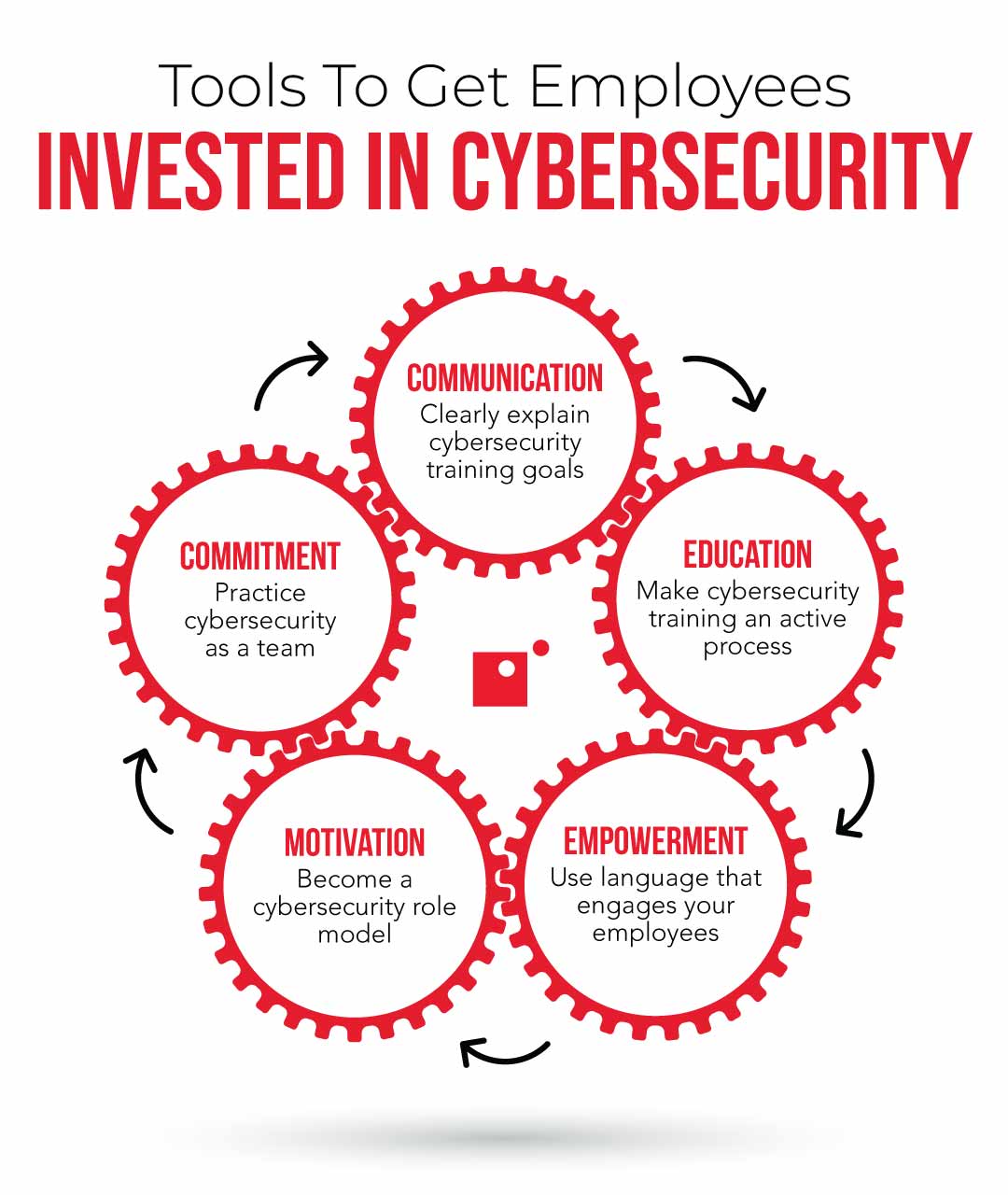
Cybersecurity Training for Employees: Enhance Your Team’s Defense!

Published:

Updated:

Cybersecurity Training for Employees

Disclaimer

As an affiliate, we may earn a commission from qualifying purchases. We get commissions for purchases made through links on this website from Amazon and other third parties.

Spread the love

Cybersecurity training for employees is essential for protecting sensitive information. It equips staff with skills to recognize and respond to cyber threats.

As cyber threats grow increasingly sophisticated, organizations must prioritize employee training. Cybersecurity is not just the IT department’s responsibility; every employee plays a crucial role in safeguarding company data. Training programs help staff understand common threats, such as phishing and malware.

They also empower employees to adopt best practices, like creating strong passwords and recognizing suspicious activities. By fostering a culture of security awareness, companies can significantly reduce the risk of breaches. Investing in effective training not only protects assets but also builds a resilient workforce ready to tackle potential cyber challenges.

The Importance Of Cybersecurity Training

Cybersecurity training is vital for every organization. It helps protect sensitive information. Employees play a key role in defending against threats. Understanding risks empowers them to act wisely.

Rising Threats In The Digital Landscape

The digital world faces growing threats daily. Cybercriminals constantly evolve their tactics. Here are some common threats:

  • Phishing Attacks: Fraudulent emails trick users into giving data.
  • Ransomware: Malicious software locks files for ransom.
  • Data Breaches: Unauthorized access to sensitive information.

These threats can lead to severe consequences. Companies may suffer financial losses. Customer trust can also erode. Training helps employees recognize these dangers.

The Human Factor In Security Breaches

Humans are often the weakest link in cybersecurity. Mistakes can lead to security breaches. Here are key points to consider:

  1. Negligence: Forgetting to update passwords can create vulnerabilities.
  2. Social Engineering: Manipulators trick employees into revealing secrets.
  3. Inadequate Knowledge: Lack of training leads to poor decisions.

Organizations need to address these human factors. Regular training sessions build awareness. Employees learn to recognize and avoid threats. Investing in training pays off in the long run.

Identifying Vulnerabilities Within Your Organization

Cybersecurity training is essential for every employee. It helps in spotting weaknesses. Organizations often overlook simple mistakes that can cause big problems. Understanding these vulnerabilities is the first step to improvement.

Common Employee Mistakes

Employees play a crucial role in cybersecurity. They often make mistakes that lead to security breaches. Here are some common errors:

  • Weak Passwords: Many use easy-to-guess passwords.
  • Phishing Scams: Employees click on suspicious links.
  • Ignoring Updates: Failing to update software is common.
  • Sharing Information: Employees share sensitive data carelessly.

Training can significantly reduce these mistakes. Understanding risks makes employees more vigilant.

Assessing Your Current Security Posture

To improve security, assess your current posture. This involves understanding existing vulnerabilities. Here are steps to evaluate your organization’s security:

  1. Conduct a security audit.
  2. Identify sensitive data locations.
  3. Review access controls.
  4. Check for outdated software.
  5. Gather employee feedback on security practices.

Use the following table to track your findings:

Vulnerability Description Action Required
Weak Passwords Easy-to-guess passwords used by employees. Implement strong password policies.
Outdated Software Software lacking the latest updates. Regularly schedule updates.
Phishing Risks Employees unaware of phishing tactics. Provide targeted training on phishing.

Regular assessments help spot vulnerabilities. Strong training programs can fill knowledge gaps.

Key Components Of Effective Cybersecurity Training

Effective cybersecurity training is essential for every organization. It protects sensitive data and minimizes risks. Focus on key components to ensure your training is impactful.

Interactive Learning Modules

Interactive learning engages employees more than traditional methods. Here are some benefits:

  • Hands-on exercises: Employees practice real-world scenarios.
  • Quizzes: Short tests reinforce learning.
  • Simulations: Employees face cyber threats in a safe environment.

These elements make learning enjoyable and memorable. They encourage active participation. Employees retain more information when they engage with the material.

Regularly Updated Content

Cyber threats evolve rapidly. Keep training content fresh and relevant. Consider these strategies:

Update Frequency Content Type
Monthly New threat reports
Quarterly Policy changes
Annually Comprehensive training review

Regular updates keep employees informed. They learn about new risks and best practices. This approach helps them stay vigilant and prepared.

Developing A Cybersecurity Mindset Among Employees

Building a strong cybersecurity mindset in employees is vital. Employees are the first line of defense against cyber threats. A well-informed staff can reduce risks significantly. Training programs play a key role in this development.

Fostering A Culture Of Security Awareness

Creating a culture of security awareness is essential. Here are some effective strategies:

  • Regular Training Sessions: Hold monthly training to refresh skills.
  • Interactive Workshops: Use hands-on activities for better understanding.
  • Real-World Examples: Share recent incidents to highlight risks.

Encourage open discussions about security. Employees should feel comfortable sharing concerns. Use posters and reminders around the office. Visual cues keep security top of mind.

Incentivizing Secure Behavior

Incentives can motivate employees to adopt secure practices. Here are some ideas:

Incentive Description
Recognition Program Highlight employees who practice excellent security habits.
Rewards Offer gift cards or bonuses for completing training.
Team Competitions Encourage teams to compete in security challenges.

Simple rewards can boost engagement. Celebrate milestones in security training. Make cybersecurity a shared responsibility.

Tailoring Training To Different Roles And Departments

Cybersecurity training must fit the unique needs of each role. Different departments face varying risks. Customizing training ensures every employee understands their responsibilities. This method enhances overall security. Tailored training engages staff and improves retention of crucial information.

Customizing Training For It Vs. Non-it Staff

IT staff and non-IT staff have different roles in cybersecurity. Their training must reflect these differences. Here’s how to customize training:

Staff Type Focus Areas Training Methods
IT Staff
  • Network Security
  • Incident Response
  • System Updates
  • Hands-on Labs
  • Advanced Workshops
  • Real-World Scenarios
Non-IT Staff
  • Phishing Awareness
  • Password Management
  • Safe Browsing Practices
  • Interactive Quizzes
  • Short Videos
  • Role-Playing Exercises

Addressing Industry-specific Threats

Every industry faces unique cybersecurity threats. Training must address these specific risks. Tailoring content increases awareness and preparedness.

  1. Healthcare: Focus on patient data protection and HIPAA compliance.
  2. Finance: Emphasize fraud prevention and secure transactions.
  3. Education: Teach about protecting student information and online safety.
  4. Retail: Highlight secure payment processing and data breach responses.

Use real-world examples from each industry. This approach makes training relevant and relatable. Employees will feel more prepared to handle threats. Tailored training leads to a stronger security culture.
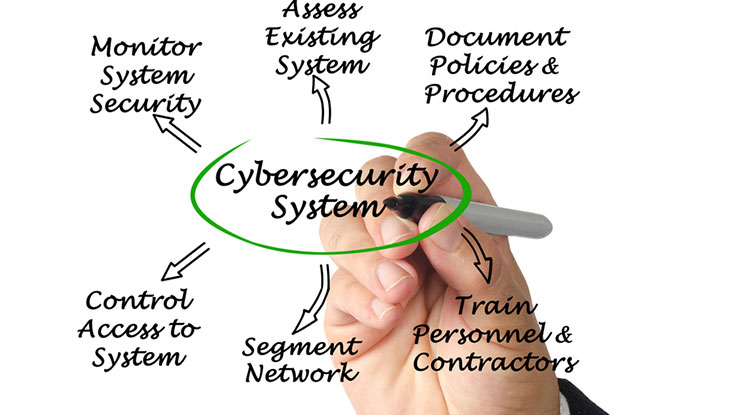
Cybersecurity Training for Employees: Enhance Your Team's Defense!

Credit: cyberwiser.eu

Simulating Cyber Attacks For Practical Experience

Simulating cyber attacks helps employees understand real threats. They gain hands-on experience. This training improves their ability to respond effectively.

Conducting Phishing Drills

Phishing is a common attack method. Companies should conduct regular phishing drills.

  • Send fake phishing emails.
  • Track employee responses.
  • Provide feedback and training based on results.

Benefits of phishing drills include:

Benefit Description
Awareness Employees learn to recognize suspicious emails.
Preparedness Staff becomes better prepared for real attacks.
Improvement Identify weaknesses in the company’s security.

Using Gamification To Engage Employees

Gamification makes training fun and interactive. Employees enjoy learning through games.

  • Use quizzes and challenges.
  • Incorporate leaderboards to encourage competition.
  • Reward employees with badges or prizes.

Gamification boosts retention of important information. It transforms training into an engaging experience. Employees become more confident in their skills.

Measuring The Effectiveness Of Your Training Program

Measuring the effectiveness of your Cybersecurity Training Program is crucial. It helps identify strengths and weaknesses. This ensures employees are prepared against cyber threats. Regular assessments and adjustments keep the training relevant.

Tracking Progress Over Time

Tracking progress shows how well employees learn. Use various methods to measure their understanding:

  • Quizzes and tests
  • Practical simulations
  • Employee feedback

Set clear goals for each training session. Monitor progress through:

  1. Pre-training assessments
  2. Post-training evaluations
  3. Ongoing performance reviews

Analyze data to see trends over time. This helps identify areas needing improvement.

Adjusting Training Based On Feedback

Feedback is essential for improving your training. Gather input from employees regularly. Use surveys, interviews, and informal discussions.

Consider these points for adjustments:

Feedback Type Adjustment Action
Content Clarity Revise confusing materials
Engagement Level Include more interactive elements
Relevance Update examples to current threats

Regular adjustments keep the program effective. This ensures employees stay engaged and informed.

Legal And Regulatory Considerations

Understanding legal and regulatory considerations is crucial for effective cybersecurity training. Companies must comply with various laws and standards. Non-compliance can lead to severe penalties. Employees must be informed about these regulations. Awareness helps them avoid risks and protect sensitive data.

Compliance With Data Protection Laws

Data protection laws vary by region. Companies must know the laws that apply to them. Here are some key laws:

  • General Data Protection Regulation (GDPR) – Applies to EU citizens.
  • Health Insurance Portability and Accountability Act (HIPAA) – Protects health information in the U.S.
  • California Consumer Privacy Act (CCPA) – Enhances privacy rights in California.

Compliance requires proper training for employees. Training should cover:

  1. Understanding personal data.
  2. Data handling procedures.
  3. Reporting data breaches.

Regular audits ensure ongoing compliance. Keeping up with changes in laws is essential.

Understanding International Cybersecurity Standards

International standards help create a secure environment. They provide a framework for organizations to follow. Some important standards include:

Standard Description
ISO/IEC 27001 Framework for managing information security.
NIST Cybersecurity Framework Guidelines for improving cybersecurity posture.
PCI DSS Standards for handling credit card information.

Training should include these standards. Employees must understand their roles in maintaining compliance. Regular updates about standards are necessary for all staff.

Continuing Education And Keeping Skills Current

Cybersecurity threats evolve constantly. Employee skills must stay updated. Regular training helps prevent breaches. It keeps your organization safe.

Encouraging Ongoing Learning

Creating a culture of ongoing learning is crucial. Here are some effective strategies:

  • Regular Workshops: Host monthly workshops on new threats.
  • Incentives: Offer rewards for completing training programs.
  • Feedback Sessions: Conduct sessions to discuss learning outcomes.

Use these methods to motivate employees. They become more engaged and informed. Encouraging ongoing learning helps everyone stay alert.

Leveraging External Cybersecurity Resources

External resources can enhance employee training. Consider using:

Resource Type Examples
Online Courses Coursera, Udemy
Webinars Industry experts, Tech conferences
Certifications CISSP, CEH

These resources provide up-to-date information. Employees gain new skills quickly. They become stronger defenders against cyber threats.

Cybersecurity Training for Employees: Enhance Your Team's Defense!

Credit: aware.eccouncil.org

Responding To A Cybersecurity Incident

Cybersecurity incidents can happen at any time. Quick and effective response is crucial. Employees play a key role in managing these incidents. Proper training can make a significant difference in outcomes.

The Role Of Employees In Incident Response

Employees are the first line of defense. Each team member must understand their responsibilities. Here are some key roles:

  • Recognizing Threats: Spotting suspicious emails or links.
  • Reporting Incidents: Informing IT immediately about potential threats.
  • Following Protocols: Adhering to established response procedures.

Training helps employees recognize signs of a breach. Regular drills can improve their readiness. Employees should feel empowered to act swiftly. Quick reporting can limit damage.

Post-incident Analysis And Learning

Learning from incidents is vital. After an incident, a thorough analysis should occur. This helps improve future responses. Key steps include:

  1. Reviewing the Incident: Analyze how it happened.
  2. Identifying Weaknesses: Find flaws in current protocols.
  3. Updating Training: Refresh training based on findings.

Use a table to summarize findings. This keeps everyone informed. Here’s a simple format:

Incident Type Cause Action Taken
Phishing Attack Employee clicked malicious link Reinforced email training
Data Breach Weak password policies Updated password guidelines

Encourage a culture of continuous learning. Employees should share experiences. This builds a stronger defense against future incidents.

Cybersecurity Training for Employees: Enhance Your Team's Defense!

Credit: www.ctsinet.com

Frequently Asked Questions

Why Is Cybersecurity Training Important For Employees?

Cybersecurity training is crucial for employees because it equips them with knowledge to recognize threats. Employees can better protect sensitive information and reduce risks of cyberattacks. Training also fosters a culture of security awareness, ensuring everyone understands their role in maintaining data integrity and safeguarding company assets.

What Topics Should Be Included In Cybersecurity Training?

Key topics for cybersecurity training include phishing awareness, password management, and safe internet practices. Employees should also learn about data protection laws and incident reporting. Including real-world scenarios can enhance understanding and retention, helping employees apply their knowledge effectively in their daily tasks.

How Often Should Cybersecurity Training Be Conducted?

Cybersecurity training should be conducted at least annually. However, more frequent sessions, such as quarterly or bi-annually, can be beneficial. Regular updates ensure employees stay informed about new threats and security measures. This continuous learning approach strengthens your organization’s overall cybersecurity posture.

What Are The Benefits Of Employee Cybersecurity Training?

Benefits of employee cybersecurity training include reduced risk of breaches and enhanced data protection. It fosters a proactive security culture and improves compliance with regulations. Moreover, trained employees can quickly identify and respond to security incidents, minimizing potential damage and ensuring business continuity.

Conclusion

Effective cybersecurity training is essential for safeguarding your organization. Educated employees can recognize threats and respond appropriately. By investing in ongoing training, companies enhance their security posture. This proactive approach not only protects sensitive data but also fosters a culture of awareness.

Prioritize training to secure your business’s future.

About the author

Leave a Reply

Your email address will not be published. Required fields are marked *

Latest Posts

  • Norton 360 Deluxe 2025 Review: Comprehensive Protection in a Digital Age!

    Norton 360 Deluxe 2025 Review: Comprehensive Protection in a Digital Age!

    Spread the loveIn an era where cyber threats evolve faster than ever, choosing the right antivirus software is crucial for safeguarding your digital life. Norton 360 Deluxe 2025 stands out as a robust all-in-one security suite from Gen Digital (formerly Symantec), designed to protect up to five devices across Windows, macOS, Android, and iOS platforms.

    Read more

  • Norton 360 Premium Antivirus Software Review: Comprehensive Analysis for 2025!

    Norton 360 Premium Antivirus Software Review: Comprehensive Analysis for 2025!

    Spread the loveIn an era where cyber threats are increasingly sophisticated, choosing the right antivirus software is critical for safeguarding personal and professional data. Norton 360 Premium, a flagship product from NortonLifeLock, is a robust security suite designed to protect up to 10 devices with a comprehensive set of features, including antivirus protection, VPN, dark

    Read more

  • Best Mobile Apps for Productivity And Time Management in 2025: Unlock Efficiency!

    Best Mobile Apps for Productivity And Time Management in 2025: Unlock Efficiency!

    Spread the loveThe best mobile apps for productivity and time management in 2024 include Todoist, Notion, and Trello. These tools streamline tasks and enhance focus. As the fast-paced world of 2024 unfolds, staying productive and managing time effectively becomes essential. Mobile apps designed for this purpose offer innovative features to help users stay organized and

    Read more