

Common network security vulnerabilities include weak passwords, outdated software, and unpatched systems. Fix them by implementing strong password policies, regular updates, and robust firewall protections.
Network security is crucial in today’s digital landscape. With cyber threats evolving rapidly, businesses must prioritize safeguarding their data and systems. Common vulnerabilities can lead to devastating breaches if left unaddressed. Weak passwords allow unauthorized access, while outdated software can harbor exploitable flaws.
Regularly updating and patching systems creates a formidable defense against attacks. Network security isn’t just an IT issue; it affects every aspect of an organization. By understanding and addressing these vulnerabilities, businesses can enhance their security posture and protect sensitive information. This article explores common network security vulnerabilities and effective strategies to mitigate them.
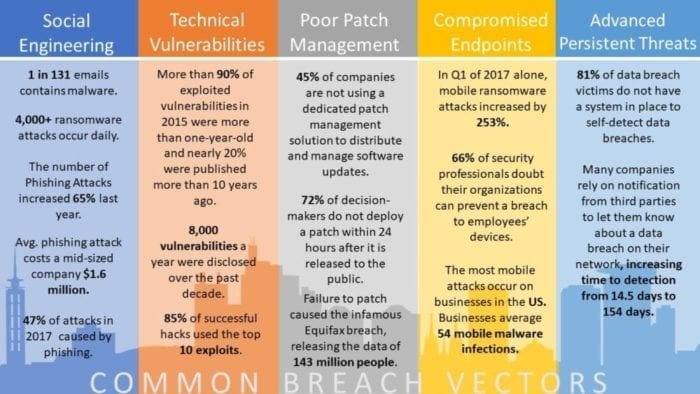
Credit: cybriant.com
Introduction To Network Security Vulnerabilities
Network security vulnerabilities threaten the safety of sensitive data. Understanding these vulnerabilities helps protect your network from attacks. Knowing how to fix them is essential for any organization.
The Importance Of Network Security
Network security is crucial for several reasons:
- Data Protection: Safeguards sensitive information.
- Business Continuity: Ensures operations run smoothly.
- Reputation Management: Maintains trust with customers.
- Regulatory Compliance: Meets legal requirements.
Without strong network security, organizations risk data breaches. These breaches can lead to financial loss and damage to reputation.
Types Of Security Breaches
Security breaches come in various forms. Here are the most common types:
| Type of Breach | Description |
|---|---|
| Malware Attacks | Malicious software that disrupts operations. |
| Phishing | Fraudulent attempts to obtain sensitive information. |
| DDoS Attacks | Overwhelms the network with traffic. |
| Man-in-the-Middle Attacks | Intercepts communication between two parties. |
Identifying these breaches helps in developing a strong defense. Organizations must stay informed about the latest threats.
Unpatched Software: A Gateway For Attackers
Unpatched software presents a major risk to network security. Attackers exploit vulnerabilities in outdated applications. These weaknesses can lead to data breaches and system compromises. Regular updates are essential to protect your network.
Risks Of Delaying Updates
Delaying updates creates several risks, including:
- Increased Vulnerability: Unpatched software has known flaws.
- Data Breaches: Attackers can steal sensitive information.
- Financial Loss: Recovery from breaches can be costly.
- Reputation Damage: Clients lose trust in your brand.
A report from the Cybersecurity & Infrastructure Security Agency (CISA) shows that 60% of attacks target known vulnerabilities. Prompt updates reduce these risks significantly.
Automating Patch Management
Automating patch management streamlines the update process. Benefits include:
- Efficiency: Saves time by scheduling updates.
- Consistency: Ensures all systems receive updates.
- Reduced Human Error: Minimizes mistakes during updates.
Use tools like:
| Tool | Features | Cost |
|---|---|---|
| ManageEngine Patch Manager | Automated updates, reporting | Starts at $495 |
| SolarWinds Patch Manager | Integration, customizable reports | Starts at $1,495 |
| Ivanti Patch Management | Real-time monitoring, automation | Contact for pricing |
Invest in a reliable patch management tool. This protects your network from attackers and keeps your software up to date.
Weak Authentication Measures
Weak authentication measures create serious vulnerabilities in network security. Simple passwords allow easy access for hackers. Improving authentication is vital to protect sensitive information.
The Downfall Of Simple Passwords
Simple passwords are a major security risk. Users often choose common words or easy-to-remember combinations. This makes it easy for attackers to guess passwords.
- Common passwords include:
- 123456
- password
- qwerty
- abc123
Using weak passwords increases the chance of data breaches. Here are some reasons to avoid simple passwords:
- Predictability
- Short length
- Repetition across accounts
Implementing Multi-factor Authentication
Multi-Factor Authentication (MFA) adds a strong layer of security. It requires users to provide two or more verification factors. This makes unauthorized access much harder.
Common MFA methods include:
- Text message codes
- Email verification
- Authentication apps
- Biometric scans (fingerprint, face recognition)
To implement MFA:
- Choose an MFA method.
- Enable MFA in your security settings.
- Educate users on its importance.
- Regularly update authentication methods.
Investing time in strong authentication measures protects your network. It helps safeguard valuable data from cyber threats.

Credit: www.theamegroup.com
Social Engineering Tactics
Social engineering tactics manipulate individuals into divulging confidential information. These tactics exploit human psychology rather than technical vulnerabilities. Employees must recognize and resist these manipulative strategies.
Phishing Attacks And Their Impact
Phishing attacks trick users into revealing sensitive data. Attackers use emails or messages that appear legitimate. Users might click on malicious links or provide personal information unknowingly.
Common impacts of phishing attacks include:
- Data breaches
- Financial loss
- Identity theft
- Damage to reputation
Understanding the signs of phishing is crucial. Look for:
- Unusual sender addresses
- Urgent language or threats
- Unexpected attachments
- Links leading to unfamiliar sites
Educating Employees On Security Protocols
Education is the first line of defense against social engineering. Training empowers employees to spot and report suspicious activities.
Consider these effective training methods:
- Conduct regular workshops
- Simulate phishing attacks
- Provide clear guidelines
- Encourage open communication about threats
Key topics for training include:
| Topic | Description |
|---|---|
| Identifying Phishing | Recognize common phishing tactics and scams. |
| Reporting Protocols | Know how to report suspicious emails quickly. |
| Password Security | Use strong, unique passwords for accounts. |
| Multi-Factor Authentication | Implement additional security steps for accounts. |
Regular updates ensure employees stay informed. Knowledge reduces the risk of falling victim to attacks.
Misconfigured Network Devices
Misconfigured network devices pose serious security risks. They can lead to unauthorized access and data breaches. Regular checks and updates are crucial for network health.
Common Configuration Errors
Identifying common configuration errors can prevent many security issues. Here are some frequent mistakes:
- Default Credentials: Leaving factory passwords unchanged.
- Unrestricted Access: Allowing open access to critical devices.
- Insecure Protocols: Using outdated protocols like FTP and Telnet.
- Improper Firewall Rules: Misconfigured rules that expose networks.
Each error increases vulnerability. Correcting them is essential for network security.
Regular Audits And Compliance Checks
Conducting regular audits helps maintain secure configurations. Follow these steps for effective audits:
- Review device configurations.
- Check for compliance with security policies.
- Update firmware and software regularly.
- Document changes