
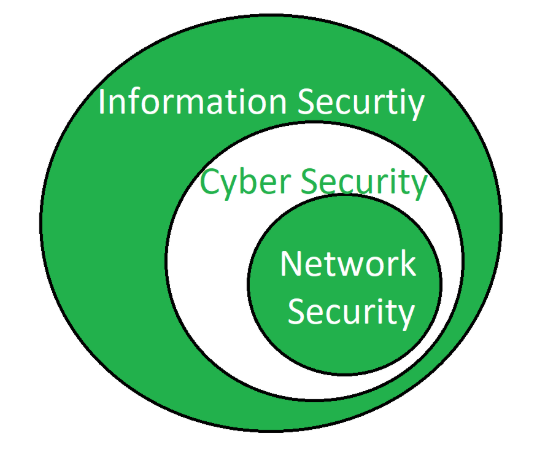
Network security focuses on protecting the integrity, confidentiality, and availability of data within a network. Cybersecurity encompasses a broader scope, addressing threats to all digital assets, including software and hardware.
Difference between Network Security And Cybersecurity:Understanding the difference between network security and cybersecurity is crucial for businesses and individuals. As technology evolves, so do the methods of cyber threats. Network security primarily targets the defenses of a network infrastructure, ensuring that unauthorized access and attacks are prevented.
Cybersecurity, on the other hand, aims to protect all digital information, including data stored on devices and cloud services. Both fields are essential for a comprehensive security strategy. Knowing their distinctions helps organizations allocate resources effectively and develop tailored security measures against various cyber threats.
Introduction To Network And Cybersecurity
Understanding the difference between network security and cybersecurity is vital. Both play key roles in protecting digital information. Each focuses on different aspects of security.
Defining The Digital Defense
Network security aims to protect the integrity and usability of networks. This includes both hardware and software technologies. It focuses on preventing unauthorized access and threats.
Cybersecurity is broader. It protects systems, networks, and programs from digital attacks. Cybersecurity guards against threats like viruses, malware, and hacking.
| Aspect | Network Security | Cybersecurity |
|---|---|---|
| Focus | Network integrity and usability | Overall digital protection |
| Threats | Unauthorized access | Malware and hacking |
| Components | Firewalls, VPNs | Encryption, antivirus |
Scope Of Protection In The Digital Realm
Network security covers the following:
- Protecting network infrastructure
- Managing firewalls
- Implementing VPNs
Cybersecurity encompasses:
- Protecting data integrity
- Safeguarding personal information
- Securing software applications
Both fields work together. They create a robust shield against threats. Understanding their differences helps in choosing the right protection.
The Essence Of Network Security
Network security is crucial for protecting information systems. It safeguards data from unauthorized access and cyber threats. The goal is to maintain confidentiality, integrity, and availability of data. Understanding network security helps organizations secure their digital infrastructure.
Protecting The Data Highway
The internet acts like a highway for data. Just like physical roads, it needs protection from dangers. Cybercriminals can intercept and manipulate data if not secured. Effective network security measures keep the data highway safe.
- Firewalls block unauthorized access.
- Intrusion detection systems monitor for suspicious activity.
- Encryption secures data in transit.
- Access controls limit who can see data.
Key Components Of Network Security
Network security involves multiple key components. Each plays a vital role in protecting data.
| Component | Function |
|---|---|
| Firewalls | Block unauthorized access to networks. |
| Antivirus Software | Detect and remove malware from systems. |
| VPNs | Encrypt data for secure remote access. |
| Intrusion Prevention Systems | Automatically block potential threats. |
Using these components together strengthens network security. Each layer adds extra protection against attacks.
Cybersecurity Explained
Cybersecurity protects computers, networks, and data from digital threats. It focuses on defending against attacks that target sensitive information. Cybersecurity is essential in today’s online world.
Safeguarding The Virtual World
Cybersecurity ensures that our online activities remain safe. It protects personal data, financial information, and business secrets. Here are some key aspects:
- Data Protection: Secures sensitive information from breaches.
- Identity Theft Prevention: Safeguards personal identities from cybercriminals.
- Network Security: Protects networks from unauthorized access.
- Malware Defense: Blocks harmful software that can damage systems.
Critical Elements Of Cybersecurity
Effective cybersecurity relies on several critical elements. Understanding these components is vital for robust protection.
| Element | Description |
|---|---|
| Firewalls | Blocks unauthorized access to networks. |
| Antivirus Software | Detects and removes malware from devices. |
| Encryption | Protects data by converting it into unreadable code. |
| Access Controls | Limits who can view or use information. |
| Security Awareness Training | Educates users about safe online practices. |
Understanding these elements helps everyone stay safe online. Cybersecurity is a shared responsibility. Everyone plays a role in protecting the virtual world.
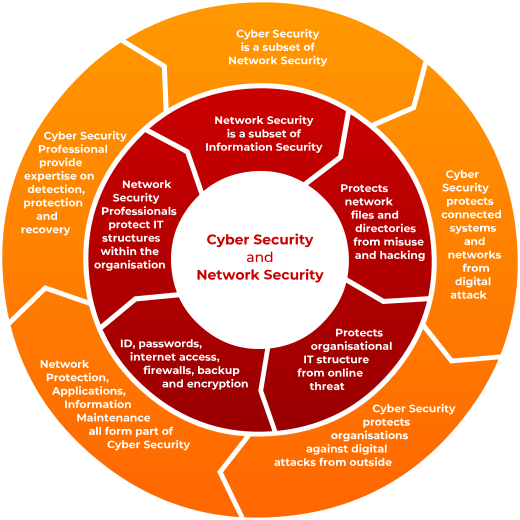
Credit: www.wanstor.com
Comparing The Goals
Understanding the difference between Network Security and Cybersecurity starts with their goals. Each focuses on protecting systems but in different ways. Network security is all about safeguarding a network. Cybersecurity aims to protect data and sensitive information. Knowing these goals helps organizations choose the right strategy.
Prevention And Protection Strategies
Both fields use different methods to ensure safety. Here are some key strategies:
- Network Security:
- Firewalls block unauthorized access.
- Intrusion detection systems monitor for threats.
- Virtual Private Networks (VPNs) secure data transmission.
- Cybersecurity:
- Data encryption protects sensitive information.
- Antivirus software detects and removes malware.
- Regular updates fix vulnerabilities in software.
Targets Of Security Measures
Network security and cybersecurity target different areas:
| Focus Area | Network Security | Cybersecurity |
|---|---|---|
| Infrastructure | Protects network devices and systems | Protects data and applications |
| Threat Type | Focuses on external threats | Focuses on internal and external threats |
| Compliance | Meets network regulations | Meets data protection laws |
Each target area shows the unique focus of network security and cybersecurity. Understanding these differences helps in creating a strong security posture.
Diverse Threat Landscapes
Understanding the diverse threat landscapes is crucial. Each area has unique risks. Network security and cybersecurity face different types of threats. Knowing these differences helps organizations protect their data.
Network Security Threats
Network security focuses on protecting network infrastructure. Various threats can disrupt this protection:
- Malware: Software designed to harm systems.
- Phishing: Fraudulent attempts to steal information.
- DDoS Attacks: Overloading servers to cause downtime.
- Insider Threats: Employees misusing access to harm the network.
Each threat targets network devices and connections. Protecting against these threats requires constant monitoring. Security tools and protocols play a vital role.
Cybersecurity Challenges
Cybersecurity encompasses a broader range of threats. These challenges include:
- Data Breaches: Unauthorized access to sensitive information.
- Ransomware: Malware that locks data until a ransom is paid.
- Social Engineering: Manipulating people to gain confidential information.
- Zero-Day Exploits: Attacks on software vulnerabilities