
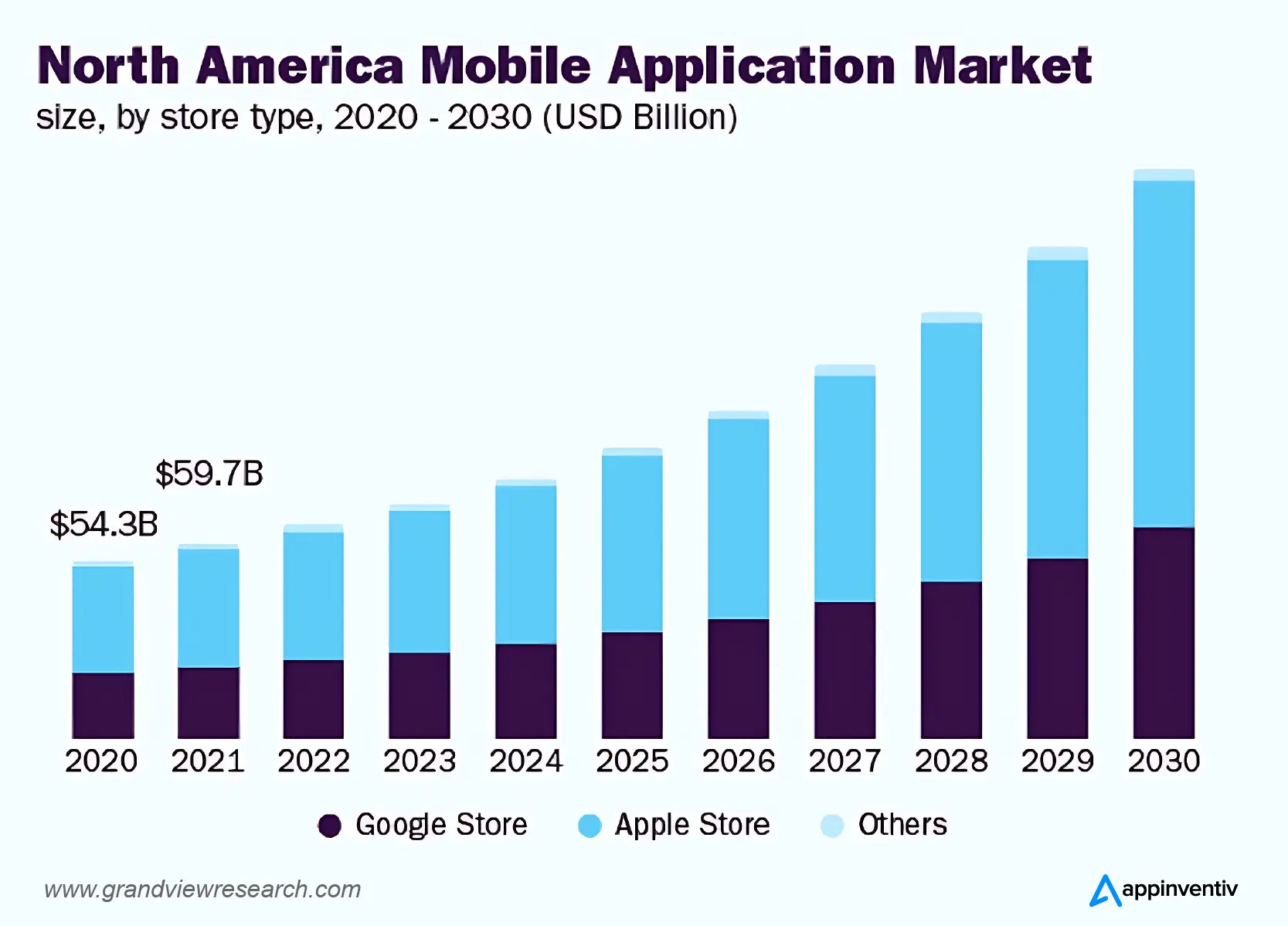
Choose native app development for optimal performance and user experience. Opt for hybrid if you need faster, cross-platform deployment.
How to Choose Native Vs. Hybrid App Dev Secrets:Mobile app development presents a crucial decision: native versus hybrid. Native apps offer superior performance and access to device features, making them ideal for high-functionality applications. They provide a seamless user experience on specific platforms like iOS or Android. On the other hand, hybrid apps combine web technologies with native elements, allowing for quicker development and broader reach across devices.
This choice often hinges on project requirements, budget, and timeline. Understanding the pros and cons of both approaches helps businesses align their app strategy with their goals, ensuring they make an informed decision that meets user expectations while maximizing resources.

Credit: radixweb.com
Introduction To Native And Hybrid Apps
Choosing between native and hybrid mobile app development is crucial. Each type has its strengths and weaknesses. Understanding these differences helps you make informed choices. Let’s dive into what makes each option unique.
Defining Native Apps
Native apps are built for specific platforms. They use platform-specific programming languages. For example:
- iOS apps use Swift or Objective-C.
- Android apps use Java or Kotlin.
These apps offer high performance and smooth user experience. They can access all device features like:
- Camera
- GPS
- Push notifications
Native apps often provide better security. They can utilize the latest platform updates quickly. However, they require separate codebases for each platform.
Defining Hybrid Apps
Hybrid apps combine web and native technologies. They use HTML, CSS, and JavaScript. This allows for cross-platform compatibility. Key characteristics include:
- Single codebase for multiple platforms.
- Faster development time.
- Lower overall costs.
Hybrid apps run inside a native container. They can access some device features. However, they may not perform as well as native apps. User experience can vary based on the complexity of the app.
Here’s a quick comparison:
| Feature | Native Apps | Hybrid Apps |
|---|---|---|
| Performance | High | Moderate |
| Development Time | Longer | Shorter |
| Cost | Higher | Lower |
| User Experience | Excellent | Good |
Understanding these definitions aids in making the right choice. Assess your project needs carefully before deciding.

Credit: appinventiv.com
Key Differences Between Native And Hybrid
Choosing between native and hybrid mobile app development is crucial. Each approach has its strengths and weaknesses. Understanding these differences helps in making an informed decision.
Development Process
The development process varies significantly between native and hybrid apps.
| Feature | Native Apps | Hybrid Apps |
|---|---|---|
| Languages Used | Java, Swift, Kotlin | HTML, CSS, JavaScript |
| Development Time | Longer | Shorter |
| Frameworks | Platform-Specific | Cross-Platform (e.g. Ionic, React Native) |
| Development Cost | Higher | Lower |
Native app development requires separate codebases for each platform. This means higher costs and longer timelines. Hybrid apps use a single codebase, making them quicker and cheaper to develop.
Performance Comparison
Performance is a vital factor in app development. Native and hybrid apps perform differently.
- Native Apps:
- Faster load times.
- Smoother animations.
- Access to device features.
- Hybrid Apps:
- Slower performance.
- Limited access to device features.
- Dependent on web view.
Native apps provide superior performance. They utilize device hardware effectively. Hybrid apps may struggle with complex tasks.
Choosing the right approach depends on your app’s goals. Consider factors like budget, timeline, and required features.
Pros And Cons Of Native App Development
Choosing between native and hybrid app development can be tough. Native apps have their own advantages and challenges. Understanding both sides helps in making the right choice.
Advantages Of Going Native
- Performance: Native apps run faster and smoother.
- User Experience: They provide a better user experience.
- Access to Features: Native apps can access device features easily.
- Offline Capabilities: They can work without an internet connection.
- App Store Approval: Native apps often get easier approval from app stores.
Challenges With Native Apps
- Cost: Developing native apps is often more expensive.
- Time: It takes more time to develop and maintain.
- Platform Dependency: Each platform needs a separate codebase.
- Updates: Frequent updates can be challenging to manage.
| Aspect | Native App | Hybrid App |
|---|---|---|
| Performance | High | Moderate |
| User Experience | Excellent | Good |
| Development Cost | High | Low |
| Access to Device Features | Full Access | Limited Access |
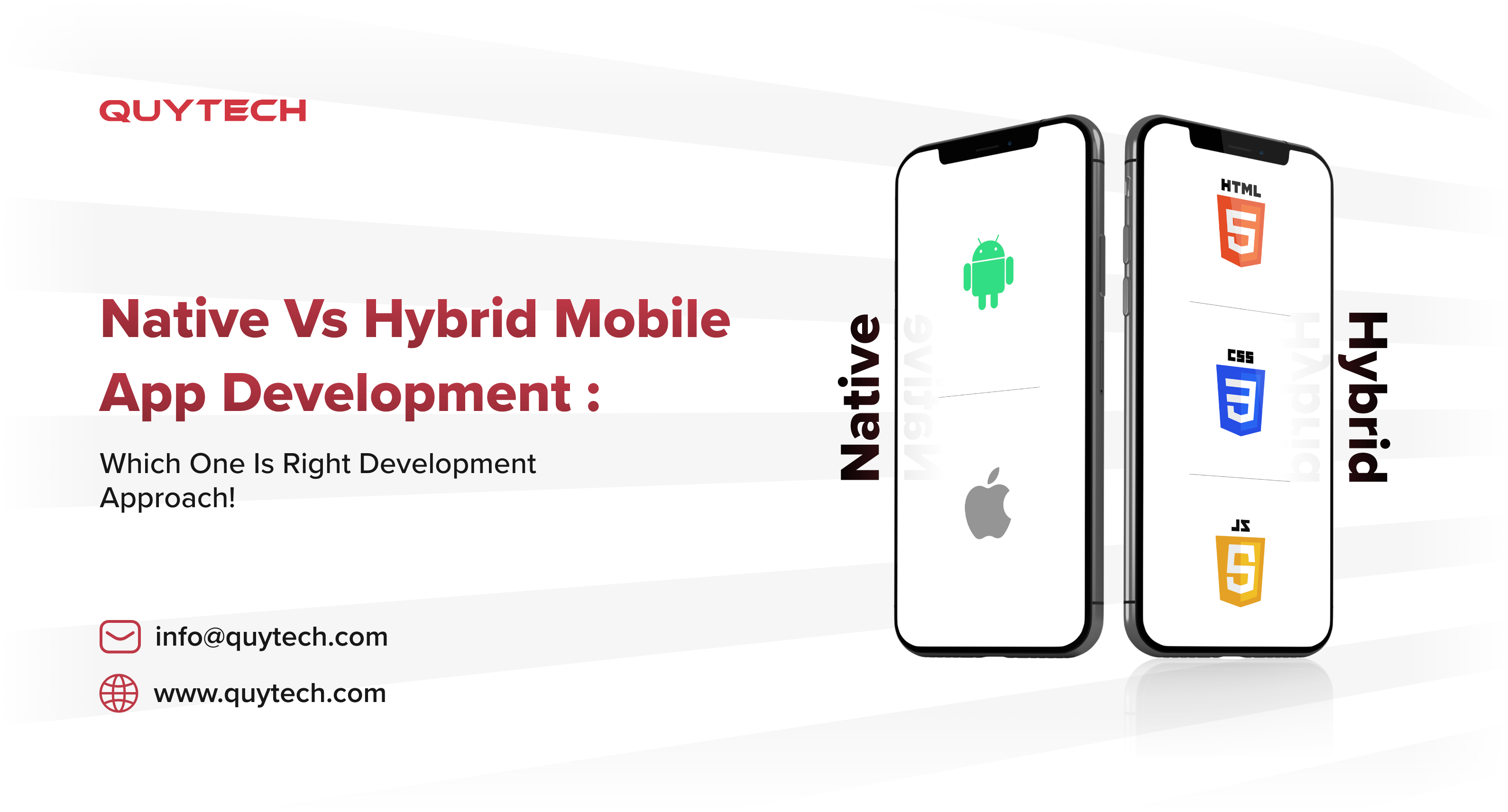
Credit: www.quytech.com
Pros And Cons Of Hybrid App Development
Hybrid app development combines elements of both native and web apps. It offers unique benefits and drawbacks. Understanding these can guide your choice.
Hybrid App Strengths
- Cost-effective: Hybrid apps save money on development.
- Faster Development: Build one app for multiple platforms.
- Easy Updates: Update code in one place for all users.
- Wider Reach: Available on both iOS and Android.
- Access to Device Features: Use device hardware like camera and GPS.
Hybrid App Limitations
- Performance Issues: May run slower than native apps.
- User Experience: Can feel less smooth than native apps.
- Limited Access: Not all device features are available.
- Dependency on Plugins: Requires third-party plugins for features.
- Security Risks: More exposure to security vulnerabilities.
| Strengths | Limitations |
|---|---|
| Cost-effective | Performance Issues |
| Faster Development | User Experience Challenges |
| Easy Updates | Limited Access to Features |
| Wider Reach | Dependency on Plugins |
| Access to Device Features | Security Risks |
Cost Implications
Choosing between native and hybrid app development involves understanding costs. Different factors impact the overall budget. These factors include development time, team size, and technology used. Let’s break down the costs for both native and hybrid app development.
Budgeting For Native App Development
Native apps require specific skills and tools. This often leads to higher costs. Here are the key factors:
- Development Team: Native apps need separate teams for iOS and Android.
- Time: Development usually takes longer, increasing costs.
- Maintenance: Native apps require frequent updates for each platform.
| Cost Factor | Estimated Cost |
|---|---|
| Development Team | $100,000 – $300,000 |
| Time to Market | 6 – 12 months |
| Maintenance | $10,000 – $20,000/year |
These costs can add up quickly. Businesses must consider long-term investments. A native app can provide better performance and user experience.