
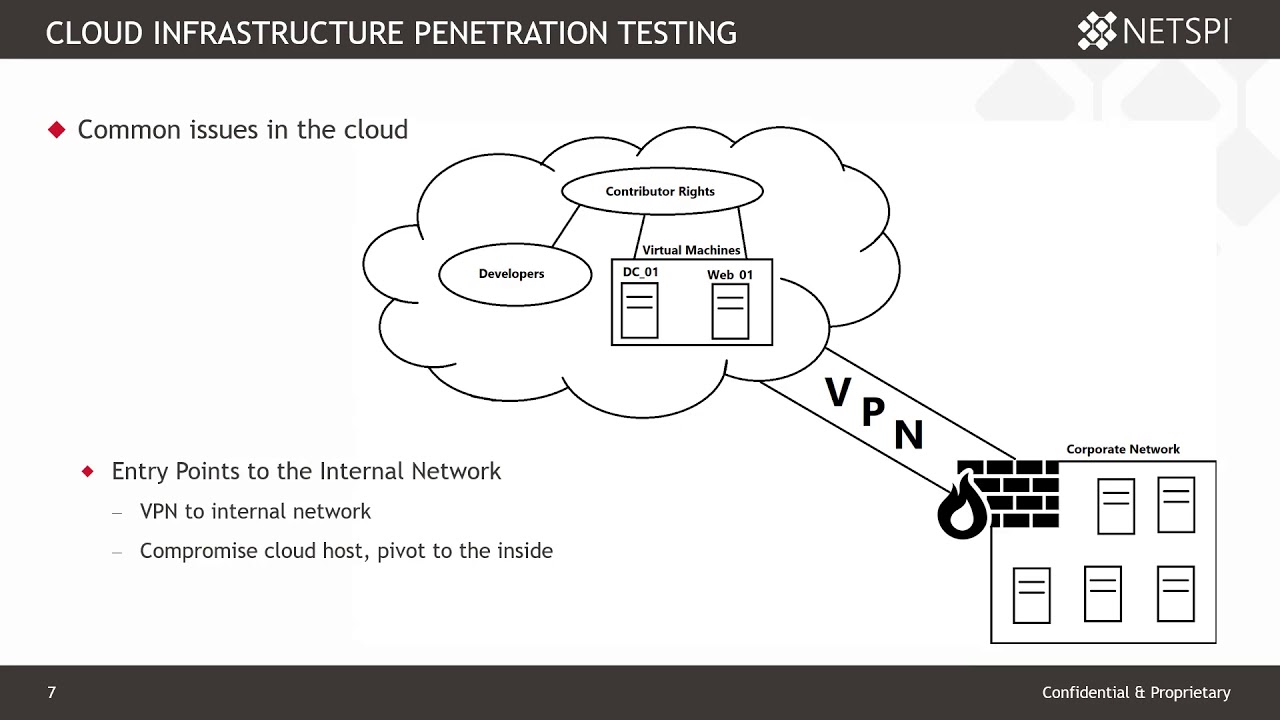
To perform penetration testing on cloud infrastructure, start by defining the scope and identifying assets. Use automated tools and manual techniques to assess vulnerabilities and risks.
How to Perform Penetration Testing on Cloud Infrastructure:Penetration testing is essential for securing cloud environments. As businesses increasingly rely on cloud services, identifying weaknesses becomes critical. This proactive approach helps organizations safeguard sensitive data and maintain compliance. Effective penetration testing involves simulating attacks to evaluate security measures.
A thorough process includes reconnaissance, scanning, gaining access, and reporting findings. Teams should follow best practices and adhere to legal requirements. Engaging skilled professionals ensures a comprehensive assessment. By understanding vulnerabilities, organizations can fortify their cloud infrastructure and mitigate potential threats. Regular testing is vital for maintaining a robust security posture in an ever-evolving digital landscape.
Introduction To Penetration Testing In Cloud Environments
Penetration testing is vital for securing cloud infrastructure. This process identifies vulnerabilities before attackers exploit them. Organizations must ensure their cloud systems are safe. Understanding how to perform penetration testing in cloud environments is crucial.
The Critical Need For Security
Cloud services are popular among businesses. They offer flexibility and scalability. However, they also present unique security challenges.
- Data breaches can lead to significant financial loss.
- Compliance regulations require strict security measures.
- Cloud misconfigurations often expose sensitive information.
Regular penetration testing helps organizations:
- Identify security weaknesses.
- Assess the effectiveness of security controls.
- Enhance incident response strategies.
Cloud-specific Vulnerabilities
Cloud environments have unique vulnerabilities. These differ from traditional IT systems. Common cloud-specific vulnerabilities include:
| Vulnerability | Description |
|---|---|
| Insecure APIs | APIs may lack proper authentication or encryption. |
| Data Loss | Improper data handling can lead to loss or exposure. |
| Account Hijacking | Weak passwords can allow unauthorized access. |
| Misconfigured Cloud Settings | Incorrect settings can expose data to public access. |
Organizations must address these vulnerabilities. Regular testing ensures a robust security posture.
Preparation For Cloud Penetration Testing
Preparing for cloud penetration testing is crucial. It sets the stage for effective security assessments. Proper preparation helps identify vulnerabilities in cloud infrastructure. Follow these steps to ensure a successful penetration test.
Understanding Cloud Service Models
Cloud services come in three main models:
| Model | Description |
|---|---|
| IaaS | Infrastructure as a Service. Provides virtualized computing resources over the Internet. |
| PaaS | Platform as a Service. Offers hardware and software tools over the Internet. |
| SaaS | Software as a Service. Delivers software applications over the Internet. |
Each model has different security responsibilities. Understand these differences to tailor your testing approach.
Setting The Scope And Objectives
Clearly define the scope of your penetration test. This helps focus your efforts on critical areas. Consider these key points:
- Identify Assets: List all cloud resources and data.
- Determine Boundaries: Specify what is included in the test.
- Define Objectives: Establish what you want to achieve.
Common objectives include:
- Finding vulnerabilities in applications.
- Testing network security.
- Verifying data protection measures.
Engage stakeholders early. Their input can refine your scope and objectives. Ensure everyone understands the testing process and its importance.
Legal And Ethical Considerations
Penetration testing in cloud environments involves serious legal and ethical issues. Understanding these aspects is crucial. Failing to comply can lead to legal consequences. Always prioritize ethical standards during testing.
Compliance With Laws And Regulations
Each region has its own laws regarding cyber security. Familiarize yourself with these laws before testing. Here are key laws to consider:
| Law | Region | Focus |
|---|---|---|
| GDPR | European Union | Data protection and privacy |
| CCPA | California, USA | Consumer privacy rights |
| PIPEDA | Canada | Data protection and privacy |
| HIPAA | USA | Healthcare data protection |
Ensure compliance with these laws to avoid penalties. Ignoring regulations can lead to lawsuits. Consult legal experts for guidance.
Obtaining Necessary Permissions
Always seek permission before conducting penetration tests. Unauthorized testing is illegal. Follow these steps to obtain permission:
- Identify stakeholders in the cloud infrastructure.
- Draft a clear scope of work.
- Get written approval from authorized personnel.
- Document agreements and permissions.
Clear communication is vital. Discuss testing methods and timelines with stakeholders. This transparency builds trust. It also ensures everyone understands the process.
Always keep ethical standards in mind. Respect data and privacy during testing. This approach protects your organization and clients.
Selecting The Right Tools And Techniques
Choosing the right tools and techniques is vital for successful penetration testing on cloud infrastructure. The right tools improve efficiency and accuracy. Many options exist, each with unique features. Understanding these differences is essential.
Open Source Vs. Commercial Tools
Deciding between open source and commercial tools affects your testing process. Both types have strengths and weaknesses. Here’s a quick comparison:
| Feature | Open Source Tools | Commercial Tools |
|---|---|---|
| Cost | Free or low cost | Higher cost |
| Support | Community support | Dedicated support teams |
| Flexibility | Highly customizable | Limited customization |
| Updates | Frequent updates | Regular updates |
Consider your budget, expertise, and requirements. Open source tools often attract beginners. Commercial tools offer robust support and features.
Automated Vs. Manual Testing Approaches
Automated and manual testing approaches each have their place. Understanding both helps in selecting the right method.
- Automated Testing:
- Fast and efficient
- Best for repetitive tasks
- Tools can miss complex vulnerabilities
- Manual Testing:
- Thorough and detailed
- Identifies complex issues
- Time-consuming and requires skilled testers
Many experts recommend a mix of both approaches. Use automated tools for initial scans. Follow up with manual testing for deeper insights.
Assessment Of Cloud Infrastructure
Assessing cloud infrastructure is essential for security. Understanding its components helps identify weaknesses. Focus on two main areas: network structure and data management.
Network Structure And Access Points
The network structure defines how data flows. Identify all access points. These points can be vulnerable to attacks. Common access points include:
- Virtual Private Networks (VPNs)
- Application Programming Interfaces (APIs)
- Web applications
- Remote Desktop Protocol (RDP) connections
Map the network layout. Use tools like:
- Network diagram software
- Port scanning tools
- Traffic analysis tools
Assess firewall rules and settings. Check for:
| Firewall Configuration | Importance |
|---|---|
| Inbound rules | Control access to services |
| Outbound rules | Prevent data leakage |
Perform tests to find vulnerabilities. Use penetration testing tools like:
- Nmap
- Burp Suite <