
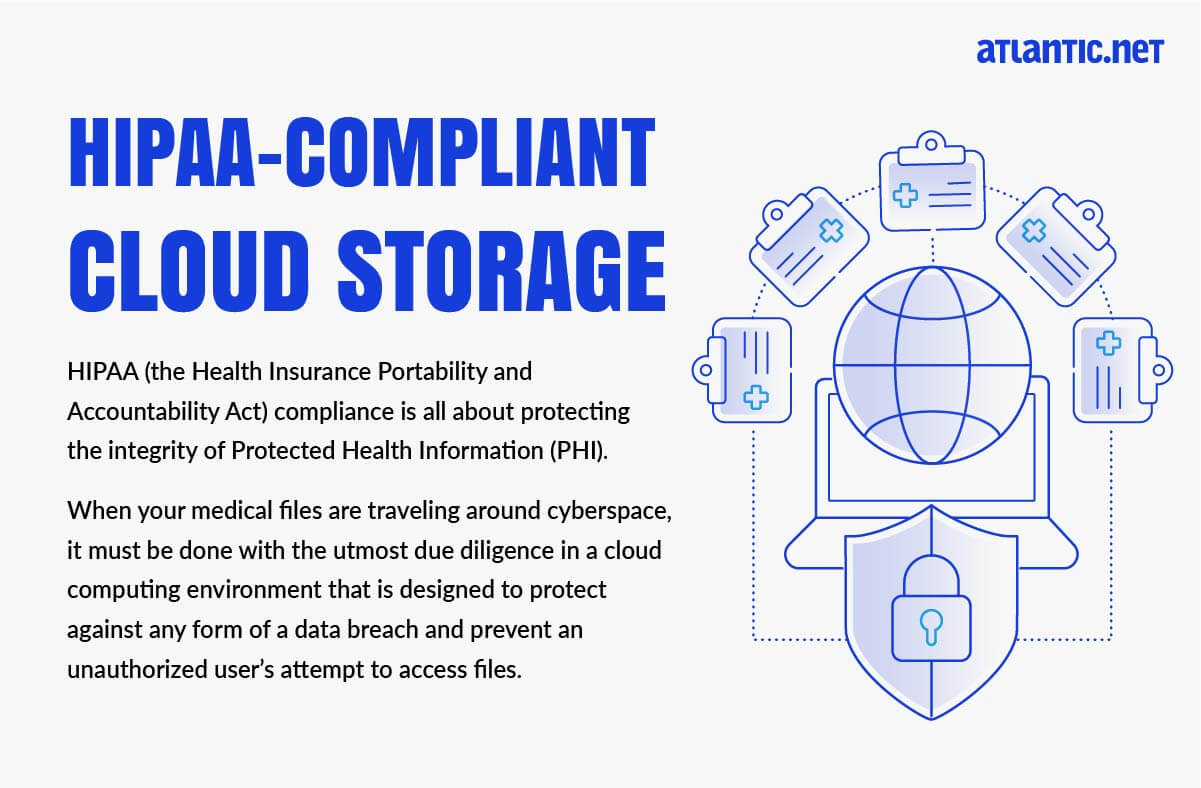
To prevent data breaches in cloud computing environments, implement strong encryption and regular security audits. User access controls and employee training are also essential.
Preventing Data Breaches in Cloud Computing Environments:Cloud computing offers significant advantages, but it also presents unique security challenges. Data breaches can lead to severe consequences, including financial loss and reputational damage. Organizations must prioritize data protection to maintain trust and compliance. Effective strategies include employing encryption technologies, conducting regular security assessments, and establishing clear access controls.
Educating employees about security best practices further enhances protection against potential threats. By proactively addressing vulnerabilities, businesses can safeguard their sensitive information and ensure a secure cloud environment. A comprehensive approach to security not only mitigates risks but also fosters a culture of accountability and vigilance within the organization.
The Rise Of Cloud Computing
The world is rapidly shifting to cloud computing. Businesses and individuals now prefer cloud services over traditional methods. This trend offers flexibility and scalability. However, it brings challenges, especially in data security. Understanding these changes is crucial for everyone.
Shift To Cloud Services
Many organizations are moving to the cloud for various reasons:
- Cost Efficiency: Reduces hardware costs.
- Accessibility: Access data from anywhere.
- Collaboration: Teams can work together in real-time.
- Scalability: Easily adjust resources as needed.
This shift is not just a trend; it’s a necessity. Companies want to stay competitive and agile. The cloud provides the tools to achieve that.
Data Security Concerns
As more data moves to the cloud, security risks increase. Key concerns include:
- Data Breaches: Unauthorized access to sensitive information.
- Loss of Control: Organizations may lose oversight of data.
- Compliance Issues: Failing to meet regulations can lead to fines.
- Insider Threats: Employees may misuse access to data.
Organizations must address these concerns. They should implement strong security measures. Here are some strategies to enhance data security:
| Strategy | Description |
|---|---|
| Encryption | Protect data by converting it into a secure format. |
| Multi-Factor Authentication | Require multiple forms of verification for access. |
| Regular Audits | Perform checks to ensure data security compliance. |
| Employee Training | Educate staff about security best practices. |
Addressing these security concerns is vital. Organizations must safeguard their data effectively.
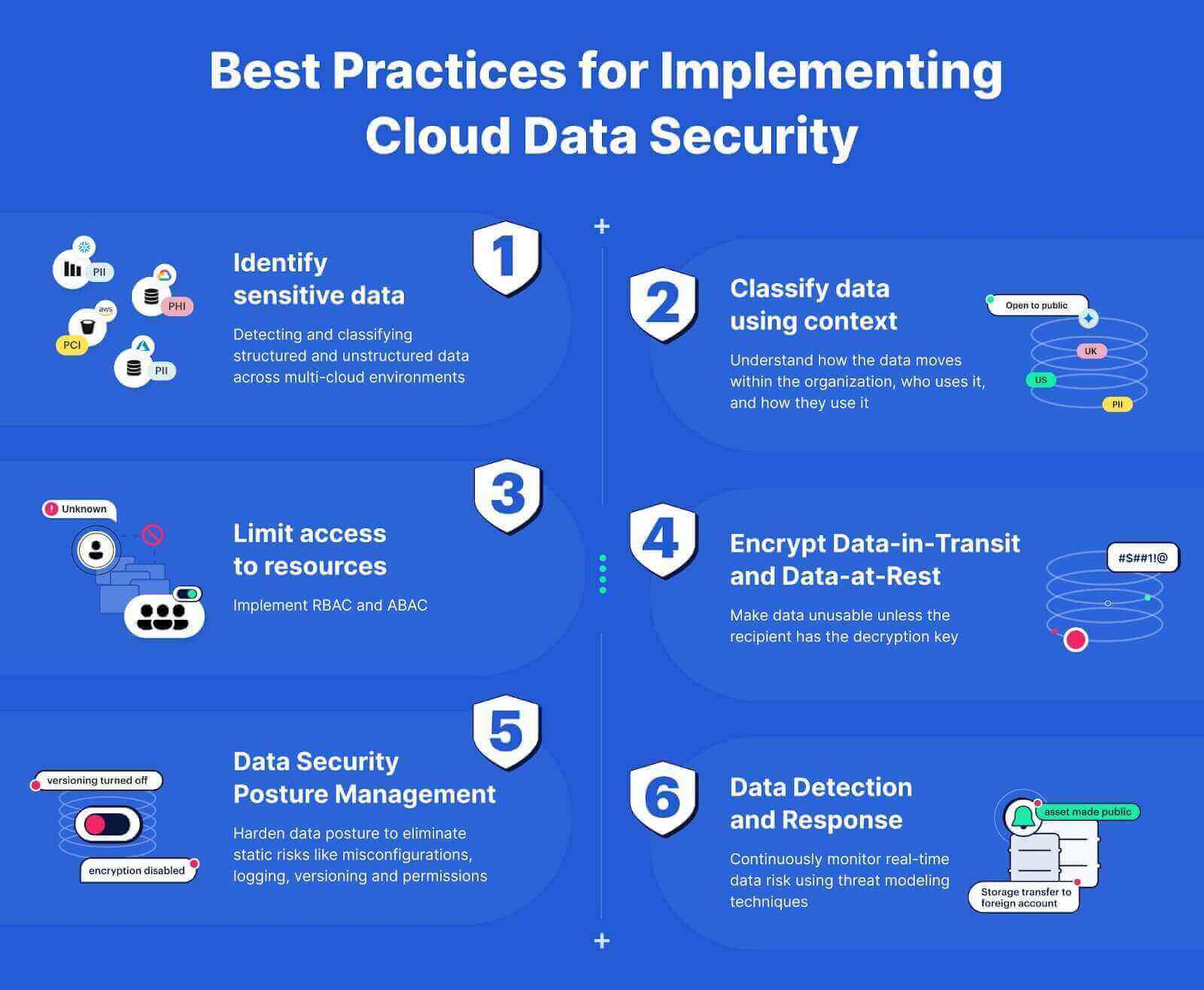
Credit: www.paloaltonetworks.com
Data Breaches: A Grim Reality
Data breaches are a serious threat in cloud computing. They can cause massive damage to businesses. Understanding the risks is crucial. Awareness can help prevent them.
Recent Breach Statistics
Data breaches are becoming more frequent. Here are some shocking statistics:
| Year | Number of Breaches | Average Cost per Breach |
|---|---|---|
| 2021 | 18 million | $4.24 million |
| 2022 | 25 million | $4.35 million |
| 2023 | 30 million | $4.45 million |
These statistics show that breaches are rising. Each year, costs increase too. Businesses must take action.
Impact On Businesses
Data breaches affect businesses in many ways:
- Financial Loss: Companies lose money due to breaches.
- Reputation Damage: Customers lose trust in affected brands.
- Legal Issues: Breaches can lead to lawsuits.
- Operational Disruption: Breaches can halt business operations.
Businesses must prioritize data security. Ignoring the risks can lead to severe consequences. Protecting data should be a top focus.
Key Vulnerabilities In Cloud Systems
Cloud computing offers many benefits. Yet, it has key vulnerabilities. Understanding these weaknesses helps prevent data breaches. Let’s explore two significant vulnerabilities: Misconfigured Cloud Storage and Inadequate Access Controls.
Misconfigured Cloud Storage
Misconfigurations are one of the top reasons for data breaches. Simple mistakes can expose sensitive data. Common misconfigurations include:
- Public access to private data
- Weak storage policies
- Unsecured APIs
These errors can lead to serious issues. Regular audits can help find and fix misconfigurations. Consider these steps:
- Review permissions frequently.
- Use automated tools for monitoring.
- Implement strict access policies.
Inadequate Access Controls
Access controls are crucial in cloud systems. Poorly managed access can lead to unauthorized data access. Key problems include:
- Weak password policies
- Lack of multi-factor authentication
- Overly broad user permissions
To strengthen access controls, take these actions:
| Action | Description |
|---|---|
| Set strong passwords | Use at least 12 characters with symbols. |
| Enable multi-factor authentication | Require a second form of identity verification. |
| Limit user permissions | Grant access only to necessary users. |
Implementing these measures can help keep data safe. Stay vigilant about access controls and configurations.
Essential Security Practices
Data breaches can harm businesses and individuals. Implementing essential security practices helps protect sensitive information. These practices focus on proactive measures to secure cloud computing environments.
Regular Security Audits
Regular security audits are critical for identifying vulnerabilities. Audits help ensure compliance with security standards.
- Schedule audits quarterly or bi-annually.
- Involve third-party security experts.
- Review access controls and permissions.
- Test for potential weaknesses in the system.
Use the following table to track your audit findings:
| Audit Date | Findings | Actions Taken |
|---|---|---|
| 01/01/2023 | Weak passwords identified | Implemented stronger password policies |
| 07/01/2023 | Unpatched software | Updated all software components |
Encryption Strategies
Encryption protects data during storage and transmission. It ensures that only authorized users can access sensitive information.
- Use AES (Advanced Encryption Standard) for data at rest.
- Implement TLS (Transport Layer Security) for data in transit.
Consider these steps to enhance encryption:
- Regularly update encryption keys.
- Use different keys for different data types.
- Monitor access to encryption keys.
Encrypting data significantly reduces the risk of exposure. It adds an essential layer of security to your cloud environment.
Advanced Threat Detection Techniques
Advanced threat detection techniques help protect cloud environments. They identify potential risks quickly. This keeps data safe from breaches. Two key methods are AI and machine learning, along with behavioral analytics.
Ai And Machine Learning
Artificial Intelligence (AI) and machine learning play vital roles in threat detection. They analyze vast amounts of data. This helps find unusual patterns and behaviors. Here are key benefits: