

Encryption plays a crucial role in protecting sensitive data by converting it into an unreadable format. This process ensures that only authorized users can access the information.
The Role of Encryption:Sensitive data, such as personal information and financial records, is vulnerable to unauthorized access and cyber threats. Encryption serves as a robust defense mechanism, safeguarding this data from hackers and data breaches. By transforming readable data into ciphertext, encryption makes it nearly impossible for malicious actors to decipher the information without the proper keys.
As data privacy regulations tighten, organizations are increasingly relying on encryption to maintain compliance and protect their users. Understanding the significance of encryption is essential for anyone managing sensitive information in today’s digital landscape. Prioritizing encryption can enhance trust and security for both businesses and consumers.
The Essence Of Encryption
Encryption is vital for protecting sensitive data. It transforms readable data into a coded format. Only authorized users can access the original information. This process keeps personal, financial, and confidential data safe from prying eyes.
What Is Encryption?
Encryption is a method of securing data. It uses algorithms to change data into unreadable text. This coded information is called ciphertext. Only those with the correct key can decode it back to plaintext.
- Data Security: Keeps data safe from unauthorized access.
- Privacy: Protects personal information from hackers.
- Integrity: Ensures data remains unchanged during transmission.
Historical Evolution Of Encrypting Data
The history of encryption dates back thousands of years. Early methods included simple ciphers. Today, we use complex algorithms for stronger security.
| Year | Encryption Method | Significance |
|---|---|---|
| 2000 BC | Caesar Cipher | First known cipher for military communications. |
| 19th Century | Vigenère Cipher | Improved security with polyalphabetic substitution. |
| 1970s | AES (Advanced Encryption Standard) | Modern standard for securing data globally. |
Understanding the evolution helps us appreciate encryption’s importance today. As technology advances, encryption continues to evolve. It protects our data in a digital world.
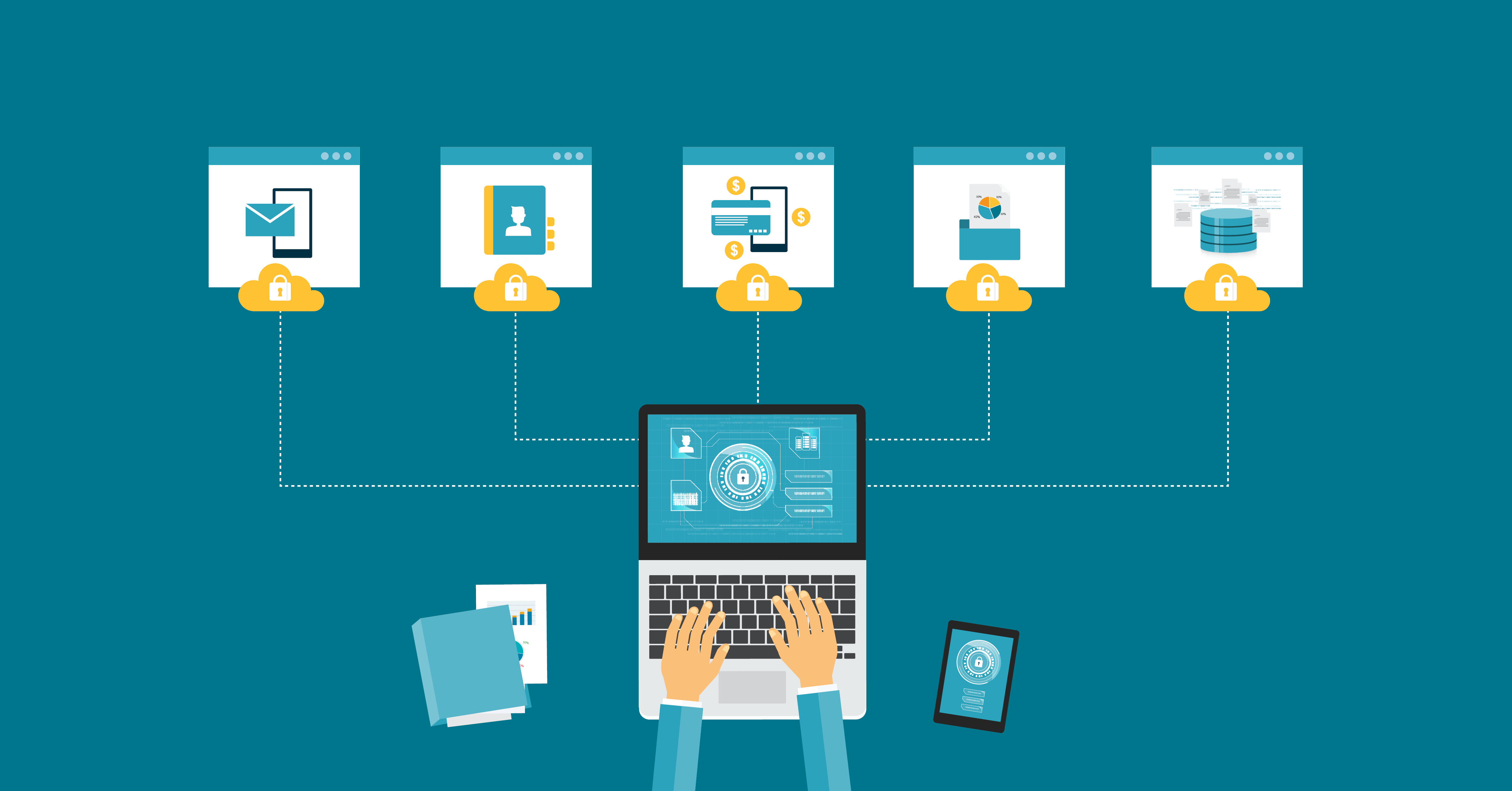
Credit: www.aureon.com
Data Privacy Concerns In The Digital Age
Data privacy is a major issue today. People store personal information online. This makes sensitive data vulnerable to theft. Protecting this data is crucial.
Encryption plays a key role in safeguarding information. It transforms data into unreadable code. Only authorized users can access the original data.
Rising Data Breaches
Data breaches are increasing rapidly. Hackers target businesses and individuals alike. Here are some key statistics:
| Year | Number of Breaches | Number of Records Exposed |
|---|---|---|
| 2020 | 1,108 | 36 billion |
| 2021 | 1,862 | 22 billion |
| 2022 | 1,600 | 40 billion |
These numbers show a clear trend. More data breaches happen every year. Individuals must take data privacy seriously.
Privacy Laws And Regulations
Governments are responding to data privacy concerns. They create laws to protect personal information. Here are some important regulations:
- GDPR: General Data Protection Regulation in the EU.
- CCPA: California Consumer Privacy Act in the USA.
- HIPAA: Health Insurance Portability and Accountability Act in the USA.
These laws impose heavy fines for non-compliance. Organizations must implement strict data protection measures. Encryption helps meet these legal requirements.
How Encryption Works
Encryption is a method that protects sensitive data. It transforms readable information into an unreadable format. Only authorized users can access the original data.
Symmetric Vs. Asymmetric Encryption
Encryption methods fall into two main categories: symmetrical and asymmetrical.
| Type | Description | Key Usage |
|---|---|---|
| Symmetric Encryption | Uses the same key for encryption and decryption. | One shared secret key. |
| Asymmetric Encryption | Uses a public key for encryption and a private key for decryption. | Two keys: one public, one private. |
Symmetric encryption is faster and simpler. It suits large data transfers. Examples include AES and DES.
Asymmetric encryption enhances security. It allows secure communication without sharing a key. Popular examples are RSA and ECC.
Public Key Infrastructure (pki)
Public Key Infrastructure (PKI) manages digital keys and certificates. It establishes a secure environment for communication.
- Components of PKI:
- Certificate Authority (CA)
- Registration Authority (RA)
- Key Management System
- Benefits of PKI:
- Ensures data integrity
- Authenticates users
- Facilitates secure transactions
PKI uses certificates to link public keys to identities. This process builds trust in digital communications.

Credit: www.sealpath.com
Encryption As A Data Privacy Tool
Encryption is essential for protecting sensitive data. It transforms readable information into unreadable code. Only authorized users can decode this information. This process keeps personal data safe from hackers and unauthorized access.
Protecting Personal Information
Personal information is valuable. Hackers target it for identity theft and fraud. Encryption safeguards this information by:
- Converting data into a secure format
- Limiting access to authorized users only
- Making data useless if intercepted
For example, consider your emails and messages. They often contain sensitive details. Using encryption ensures that only the intended recipient can read them.
| Type of Data | Encryption Method | Benefit |
|---|---|---|
| Emails | End-to-End Encryption | Only sender and receiver can read |
| Financial Records | Symmetric Encryption | Protects against unauthorized access |
| Personal Files | Asymmetric Encryption | Secure sharing with others |
Securing Online Transactions
Online shopping and banking are common today. Encryption plays a crucial role here. It helps secure online transactions by:
- Protecting credit card details
- Ensuring secure payment gateways
- Preventing data breaches during transactions
When you make a purchase online, your data travels through many servers. Encryption ensures that this data remains safe. Only the merchant and your bank can access it.
Trust is vital in online transactions. Encryption builds this trust. It assures customers that their information is protected.
Challenges In Implementing Encryption
Implementing encryption can be tough. Organizations face various challenges. These challenges can affect data security. Understanding these issues is key to effective encryption.
Performance Overhead
Encryption can slow down systems. This performance overhead can lead to:
- Increased processing time
- Higher resource usage
- Delayed user experiences
Systems must handle encryption tasks efficiently. Poor performance can frustrate users. Organizations need to balance security with speed.
Key Management Difficulties
Managing encryption keys is complex. Keys are essential for data access. Mismanagement can lead to:
- Data loss
- Unauthorized access
- Compliance issues
Key management involves:
- Generating strong keys
- Storing keys securely
- Regularly rotating keys
Failure to manage keys c