
To protect IoT devices, implement strong authentication methods and regular software updates. Segregate IoT networks from critical systems to minimize risks.
Network Security Strategies for IoT:The Internet of Things (IoT) has revolutionized how we interact with technology. With countless devices connecting to the internet, security vulnerabilities have increased significantly. Cybercriminals target IoT devices for sensitive data and unauthorized access. Effective network security strategies are essential for safeguarding these devices.
Organizations must prioritize robust measures to ensure data privacy and integrity. This includes using strong passwords, enabling encryption, and regularly updating firmware. Implementing network segmentation helps isolate IoT devices from critical infrastructure. By adopting these strategies, individuals and businesses can create a more secure IoT environment, reducing the chances of a successful cyberattack.
Introduction To Iot Security Challenges
The Internet of Things (IoT) is growing fast. Many devices connect to the internet daily. This growth brings new security challenges. Protecting these devices is vital for safety and privacy.
The Rise Of Iot Devices
IoT devices are everywhere now. They include smart home gadgets, wearables, and industrial equipment. The number of IoT devices is expected to reach over 75 billion by 2025.
Here are some popular IoT devices:
- Smart speakers
- Smart thermostats
- Wearable fitness trackers
- Connected appliances
This rapid rise creates a larger attack surface. Each device can become a target for hackers.
Emerging Threats In The Iot Landscape
As IoT devices increase, threats also grow. Cybercriminals exploit weak security. Here are some common threats:
- Malware Attacks: Harmful software can infect devices.
- DDoS Attacks: Devices can be used to overwhelm networks.
- Data Breaches: Sensitive information can be stolen.
- Unauthorized Access: Hackers gain control of devices.
Many IoT devices lack strong security features. Users often ignore software updates. This opens doors for attacks.
Understanding these threats is essential. It helps users and businesses protect their IoT devices effectively.
Assessing Iot Vulnerabilities
Understanding vulnerabilities in IoT devices is crucial. Many devices connect to the internet, increasing risks. Identifying weaknesses helps safeguard sensitive data.
Common Weaknesses In Iot Networks
IoT devices often have specific vulnerabilities. Here are some common ones:
- Weak Passwords: Many devices use default passwords.
- Unpatched Software: Outdated firmware leaves devices exposed.
- Lack of Encryption: Data transmission may not be secure.
- Open Ports: Unused ports can serve as entry points.
- Insecure APIs: Poorly designed APIs can be exploited.
Tools For Vulnerability Assessment
Several tools can help assess IoT vulnerabilities. These tools identify risks and suggest improvements:
| Tool Name | Function | Platform |
|---|---|---|
| IoT Inspector | Scans networks for vulnerabilities | Web-based |
| Nessus | Identifies security flaws | Windows, macOS, Linux |
| OpenVAS | Vulnerability scanning and management | Linux |
| Qualys | Continuous security monitoring | Cloud-based |
Use these tools regularly. They help maintain a secure IoT environment. Stay proactive to prevent attacks.
Encryption Techniques For Iot
IoT devices are vulnerable to attacks. Using encryption techniques helps protect data. Encryption ensures that data remains secure, both at rest and in transit. It makes information unreadable to unauthorized users. Let’s explore two key areas of encryption for IoT devices.
Securing Data At Rest
Data at rest refers to stored information. This includes data on devices and servers. Protecting this data is crucial. Here are some effective strategies:
- File Encryption: Encrypt files on devices.
- Database Encryption: Secure entire databases with encryption.
- Key Management: Use strong keys to encrypt data. Store keys securely.
- Access Controls: Limit access to sensitive data.
Implementing these methods minimizes risks. Use strong encryption standards like AES-256. This ensures robust protection for stored data.
Protecting Data In Transit
Data in transit is information moving between devices. This data is also at risk. Employing encryption during transmission is essential. Here are some techniques:
- SSL/TLS Protocols: Secure connections using SSL/TLS.
- VPNs: Use virtual private networks for secure communication.
- End-to-End Encryption: Encrypt data from sender to receiver.
These methods keep data safe while it travels. Always prioritize encryption for data in transit. It is key to defending against eavesdropping and interception.
| Encryption Technique | Purpose | Best Practices |
|---|---|---|
| File Encryption | Protect stored files | Use strong algorithms |
| Database Encryption | Secure entire databases | Regularly update encryption keys |
| SSL/TLS Protocols | Secure web traffic | Implement on all web services |
| End-to-End Encryption | Protect data during transfer | Ensure both ends support encryption |
Implementing these encryption techniques boosts security for IoT devices. Protect both data at rest and in transit effectively.
Access Control Strategies
Access control is vital for protecting IoT devices. It ensures only authorized users can access sensitive data and functions. Strong strategies prevent unauthorized access and enhance overall security.
Implementing Strong Authentication
Strong authentication protects IoT devices from unauthorized access. It verifies user identities effectively.
- Multi-Factor Authentication (MFA): Use multiple methods to verify identity. This can include:
- Password
- SMS verification
- Authenticator apps
- Strong Password Policies: Require complex passwords. Encourage:
- At least 12 characters
- Upper and lower case letters
- Numbers and special symbols
- Biometric Authentication: Use fingerprints or facial recognition. This adds an extra layer of security.
The Role Of Authorization And User Management
Authorization controls what users can do. Proper user management is essential.
| User Role | Permissions |
|---|---|
| Admin | Full access to all settings |
| User | Limited access to specific functions |
| Guest | Read-only access |
Regularly review user access. Remove users who no longer need access. Implement a principle of least privilege. This limits access based on user needs.
- Monitoring: Track user activities for suspicious behavior.
- Logging: Keep logs of access attempts. This helps identify potential threats.
Network Segmentation And Monitoring
Network segmentation and monitoring are vital for securing IoT devices. These strategies help isolate devices and track their activities. This reduces risks and improves the overall security posture.
Creating Secure Iot Zones
Creating secure IoT zones is essential for device protection. Here are key steps to achieve this:
- Identify IoT Devices: List all connected IoT devices.
- Segment the Network: Divide the network into smaller segments.
- Use Firewalls: Implement firewalls to control traffic.
- Apply Access Controls: Limit who can access each zone.
- Regular Updates: Keep firmware updated for all devices.
Each zone should have its own security policies. This limits exposure to potential threats.
Real-time Monitoring For Anomaly Detection
Real-time monitoring is crucial for spotting unusual activities. Anomalies can signal a security breach. Implement the following practices for effective monitoring:
- Use Monitoring Tools: Invest in tools that track network traffic.
- Set Baselines: Establish normal behavior for devices.
- Alerts and Notifications: Configure alerts for suspicious activity.
- Regular Audits: Conduct audits to check for vulnerabilities.
Timely detection can prevent significant damage. Ensure your monitoring system is robust and efficient.
| Monitoring Tools | Features | Benefits |
|---|---|---|
| Network Intrusion Detection Systems | Detects malicious activity | Protects from attacks |
| Security Information and Event Management | Aggregates logs for analysis | Improves incident response |
| Behavioral Analytics Tools | Analyzes device behavior | Identifies anomalies quickly |
Investing in proper monitoring tools enhances security. Protect your IoT ecosystem effectively.

Credit: industrywired.com
Iot Security Policies And Frameworks
Protecting IoT devices requires strong security policies and frameworks. These policies outline rules and guidelines. They help organizations manage risks effectively. A well-defined framework ensures the safety of connected devices.
Adopting Industry Best Practices
Organizations must follow industry best practices for IoT security. Here are key practices to consider:
- Regularly update device software and firmware.
- Use strong, unique passwords for all devices.
- Implement network segmentation to isolate devices.
- Monitor network traffic for unusual activity.
- Conduct regular security audits and assessments.
Following these practices helps reduce vulnerabilities. It also strengthens overall security posture.
Leveraging Iot Security Standards
IoT security standards provide a framework for protection. These standards guide organizations in securing their devices. Important standards include:
| Standard | Description |
|---|---|
| ISO/IEC 27001 | Focuses on information security management systems. |
| NIST SP 800-183 | Provides guidelines for securing IoT devices. |
| OWASP IoT Top Ten | Lists the top security risks for IoT devices. |
Organizations should implement these standards. They help improve security and compliance. Protecting IoT devices becomes easier with a structured approach.
Regular Software Updates And Patch Management
Keeping IoT devices secure requires regular software updates and effective patch management. Cyber threats evolve quickly. Updates help protect devices from new vulnerabilities. Users must stay proactive in maintaining their devices.
The Importance Of Firmware Updates
Firmware updates are essential for device security. They fix bugs and improve performance. Regular updates help prevent unauthorized access. Ignoring updates can lead to significant risks.
- Vulnerability Fixes: Updates close security gaps.
- Performance Improvements: Updates enhance device efficiency.
- New Features: Updates can add useful functionalities.
Firms often release updates. Users should check for updates regularly. Schedule reminders for firmware updates. This habit improves security and device reliability.
Automating Patch Deployment
Automating patch deployment simplifies the update process. It reduces the risk of human error. Automated systems can check for updates and install them.
Consider these benefits:
- Time-Saving: Automating saves hours of manual work.
- Consistency: Ensures all devices are updated equally.
- Immediate Response: Quickly patch vulnerabilities as they arise.
Use tools that support automated patch management. Examples include:
| Tool Name | Features |
|---|---|
| Patch My PC | Automated updates for third-party apps. |
| ManageEngine Patch Manager Plus | Comprehensive patch management for networks. |
| SolarWinds Patch Manager | Automated patch deployment and reporting. |
Automating updates ensures devices remain secure. Stay ahead of potential threats with consistent updates.
Incident Response Planning For Iot
Incident response planning is crucial for protecting IoT devices. These devices face many threats. A solid plan helps organizations react quickly and effectively. It minimizes damage and ensures safety. Proper planning can safeguard sensitive data and maintain trust.
Developing A Response Strategy
Creating a response strategy involves several key steps:
- Identify Risks: Know the potential threats to your IoT devices.
- Define Roles: Assign specific duties to team members.
- Establish Communication: Develop clear communication protocols.
- Set Objectives: Determine what success looks like after an incident.
- Create Documentation: Keep detailed records of the response process.
These steps help form a strong foundation for incident response. Regular updates are essential as new threats emerge. Make adjustments based on lessons learned from past incidents.
Simulation And Training For Iot Security Incidents
Training staff is vital for effective incident response. Simulations prepare teams for real-world threats. Here are some effective training methods:
- Tabletop Exercises: Discuss hypothetical scenarios in a group setting.
- Hands-On Drills: Practice real-life incident response actions.
- Workshops: Teach best practices and new technologies.
These activities boost team confidence. They improve reaction times during actual incidents. Regular training ensures everyone is ready for security challenges.
Consider using a table to track training progress:
| Training Method | Description | Frequency |
|---|---|---|
| Tabletop Exercises | Group discussions on potential incidents. | Quarterly |
| Hands-On Drills | Simulated real-world responses. | Biannual |
| Workshops | Learning new security practices. | Monthly |
Effective training creates a proactive culture. Teams become more resilient against security threats. This approach keeps IoT environments safe and secure.
The Future Of Iot Security
The future of IoT security is crucial. As devices grow, so do risks. Protecting connected devices is a priority. New technologies will shape this landscape.
Advancements In Iot Security Technologies
New technologies are evolving. They aim to secure IoT devices more effectively. Here are some key advancements:
- AI and Machine Learning: These technologies can identify unusual behavior.
- Blockchain: This provides secure data transactions.
- Encryption: Stronger encryption protects data privacy.
- Device Authentication: Ensures only authorized devices connect.
These advancements help create a safer environment for users.
Preparing For Evolving Iot Threats
IoT threats are constantly changing. Companies must stay prepared. Here are some strategies:
- Regular Updates: Always update device firmware.
- Risk Assessment: Regularly assess and identify potential risks.
- Employee Training: Train staff on security best practices.
- Incident Response Plans: Create a plan for security breaches.
Staying proactive helps combat new threats effectively.

Credit: www.eccouncil.org
Conclusion: Bolstering Iot Security
Securing IoT devices is essential in today’s tech-driven world. As IoT devices proliferate, the risks increase. Implementing strong security strategies is vital for protection.
Key Takeaways For Iot Security Enhancement
- Strong Passwords: Use complex passwords for all devices.
- Regular Updates: Keep firmware and software updated.
- Network Segmentation: Isolate IoT devices from main networks.
- Firewalls: Utilize firewalls to block unauthorized access.
- Encryption: Encrypt data to protect sensitive information.
- Monitoring: Continuously monitor device activity for unusual behavior.
Continued Vigilance And Improvement
Security is not a one-time task. It requires ongoing attention and adaptation. Here are important practices:
- Conduct Regular Audits: Assess security measures regularly.
- Educate Users: Train users about best practices.
- Stay Informed: Keep up with the latest IoT security trends.
- Incident Response Plan: Prepare a plan for potential breaches.
Implementing these strategies will help build a robust defense. Protecting your IoT devices is crucial for safety and privacy.
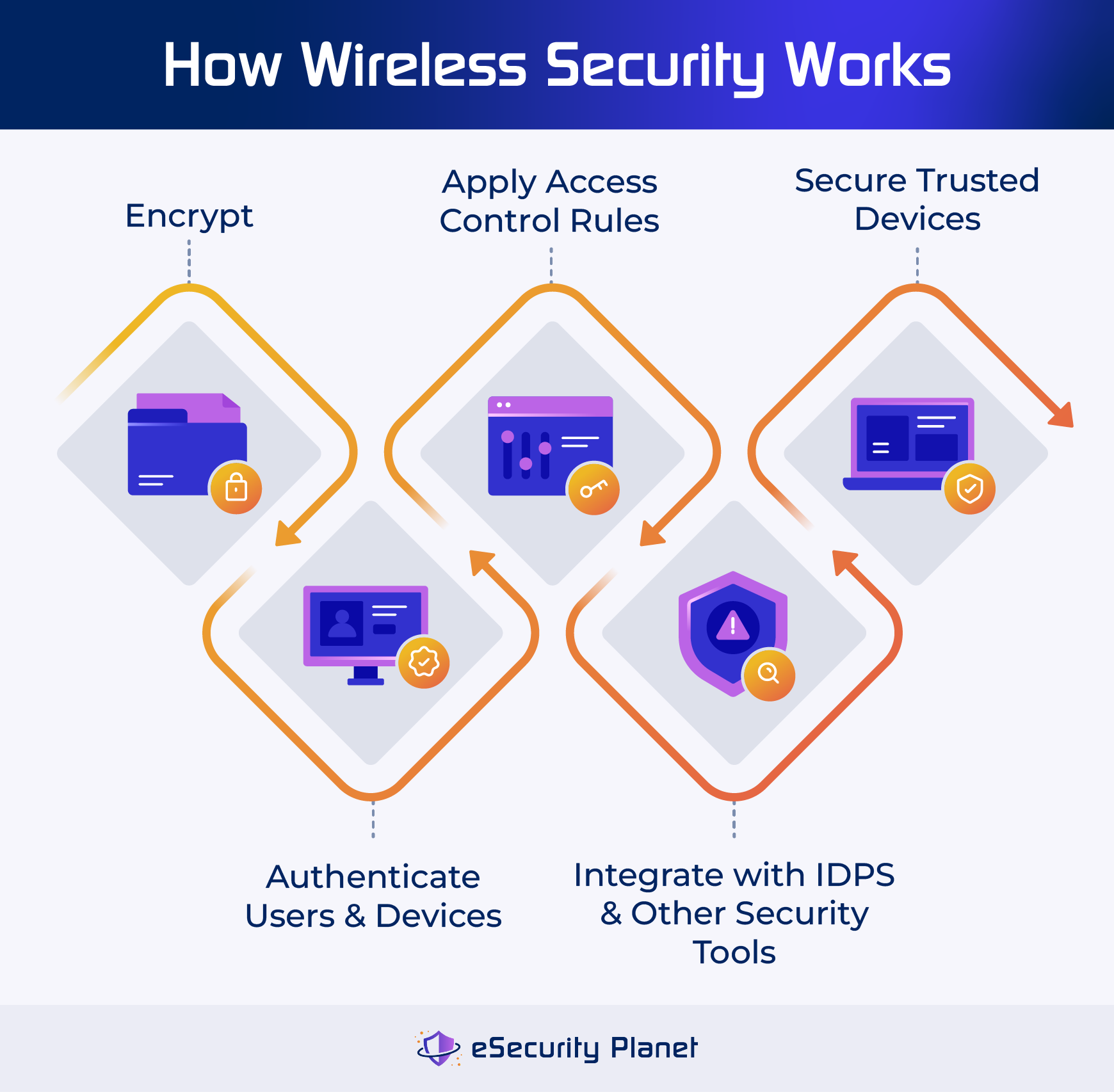
Credit: www.esecurityplanet.com
Frequently Asked Questions
What Are Iot Security Best Practices?
To enhance IoT security, implement strong authentication methods and regularly update device firmware. Use network segmentation to isolate IoT devices from critical systems. Employ encryption for data transmission and monitor network traffic for unusual activities. These practices help mitigate potential security risks associated with IoT devices.
How Can I Secure My Iot Devices?
Secure your IoT devices by changing default passwords and using strong, unique ones. Regularly update the software and firmware to patch vulnerabilities. Enable two-factor authentication where possible. Additionally, disable unnecessary features and services to reduce exposure to threats.
Why Is Iot Security Important?
IoT security is crucial because these devices often handle sensitive data. A breach can lead to data theft or unauthorized access to networks. As IoT devices proliferate, they become attractive targets for cybercriminals. Ensuring their security protects both personal and organizational information.
What Are Common Iot Security Threats?
Common IoT security threats include unauthorized access, data breaches, and malware attacks. Devices can be hacked to gain control or steal sensitive information. Additionally, poorly secured IoT systems can be exploited to launch larger attacks, such as DDoS attacks, affecting broader networks.
Conclusion
Implementing robust network security strategies is essential for safeguarding IoT devices. By prioritizing strong passwords, regular updates, and network segmentation, you can significantly reduce vulnerabilities. Staying informed about emerging threats will further enhance your defense. Protecting your IoT ecosystem ensures safety and peace of mind in an increasingly connected world.


Leave a Reply