
Best practices for ethical hacking in cybersecurity include obtaining proper authorization and maintaining strict confidentiality. Ethical hackers should follow a code of ethics and continuously update their skills.
Ethical hacking plays a crucial role in identifying and rectifying security vulnerabilities in systems. Authorized professionals, known as ethical hackers, simulate cyber-attacks to uncover weaknesses before malicious hackers exploit them. These experts adhere to a strict code of conduct, ensuring their actions are legal and ethical.
Continuous learning is vital due to the ever-evolving nature of cybersecurity threats. Ethical hackers must stay updated with the latest hacking techniques and defensive measures. By following best practices, they help organizations protect sensitive data and maintain robust cybersecurity frameworks.
Introduction To Ethical Hacking
Ethical hacking is a vital part of cybersecurity. It helps protect data from malicious attacks. Understanding ethical hacking is crucial for safeguarding digital assets.
Definition And Importance
Ethical hacking involves authorized attempts to gain unauthorized access to systems. It identifies vulnerabilities before malicious hackers exploit them. Ethical hackers use the same tools and techniques as cybercriminals. The difference is they have permission and their goal is to improve security.
Ethical hacking is important for several reasons:
- Protects sensitive data
- Prevents financial losses
- Maintains customer trust
- Ensures regulatory compliance
Role In Cybersecurity
Ethical hackers play a crucial role in cybersecurity. They help organizations understand and improve their security posture.
Their tasks include:
- Conducting penetration tests
- Identifying security vulnerabilities
- Providing remediation advice
- Ensuring compliance with security standards
Ethical hackers work closely with security teams. They help build stronger defenses against cyber threats.
Effective ethical hacking requires adherence to best practices. These practices ensure ethical hackers act responsibly and achieve the desired results.
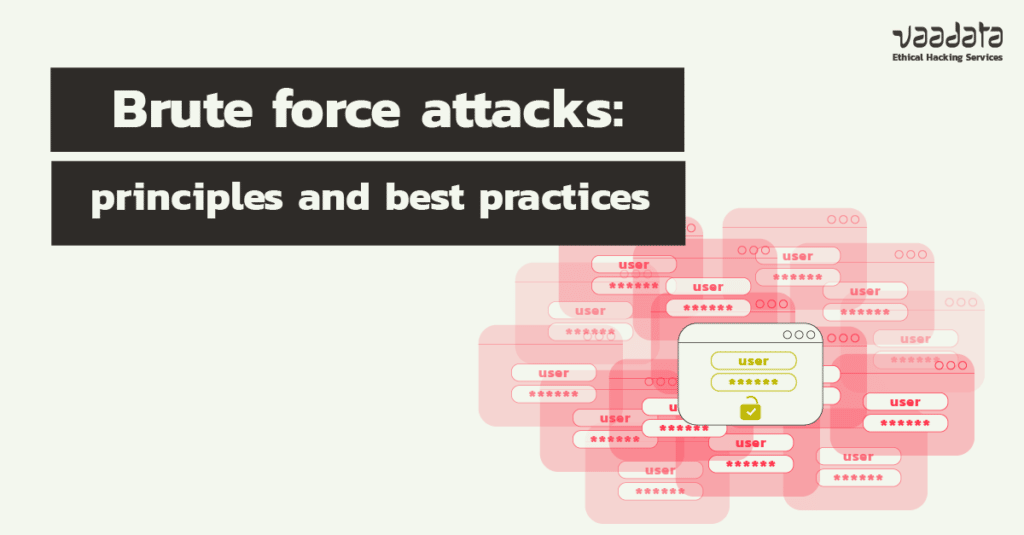
Credit: www.vaadata.com
Core Principles
Ethical hacking is essential in safeguarding digital assets. It follows core principles that ensure robust security. These principles are Confidentiality, Integrity, and Availability. Adhering to these principles is crucial for effective cybersecurity practices.
Confidentiality
Confidentiality ensures that sensitive information is accessible only to authorized individuals. Ethical hackers employ techniques to safeguard data from unauthorized access.
- Use strong encryption methods.
- Implement secure authentication mechanisms.
- Regularly update security protocols.
Maintaining confidentiality protects user privacy and prevents data breaches.
Integrity
Integrity ensures that data remains accurate and unaltered. Ethical hackers focus on preserving data consistency and trustworthiness.
- Use checksums to verify data integrity.
- Implement access controls to prevent unauthorized modifications.
- Regularly audit and monitor data changes.
Ensuring integrity prevents malicious alterations and maintains data reliability.
Availability
Availability ensures that systems and data are accessible when needed. Ethical hackers work to maintain system uptime and service reliability.
| Practice | Description |
|---|---|
| Redundancy | Implement backup systems to prevent downtime. |
| Regular Updates | Update software to fix vulnerabilities. |
| Load Balancing | Distribute traffic to avoid overloads. |
Maintaining availability ensures continuous access to critical resources.
Legal Considerations
Ethical hacking is crucial in cybersecurity. It helps in identifying vulnerabilities. But hackers must follow legal guidelines. Understanding legal considerations is vital. It ensures ethical hacking stays within the law.
Compliance
Compliance is essential for ethical hacking. Hackers must follow relevant laws and regulations. These rules vary by country and industry. Non-compliance can lead to legal troubles.
- Understand local cybersecurity laws.
- Stay updated with international regulations.
- Comply with industry-specific standards.
Some key regulations include:
| Regulation | Description |
|---|---|
| GDPR | Protects data privacy in the EU. |
| HIPAA | Secures health information in the US. |
| PCI-DSS | Safeguards payment card data globally. |
Permission And Scope
Always get permission before ethical hacking. Unauthorized access is illegal. Define the scope of your testing. This avoids unintentional breaches.
- Request written consent from the organization.
- Clearly outline testing boundaries.
- Stick to the agreed-upon scope.
Document everything. This ensures clarity and accountability. It helps in legal protection. Ethical hacking must be transparent and well-documented.
Essential Skills
Ethical hacking is a vital field in cybersecurity. It requires a unique set of skills. This section covers the essential skills needed for ethical hacking. These skills help in identifying and fixing security vulnerabilities.
Technical Proficiency
Technical proficiency is the backbone of ethical hacking. Hackers must understand computer networks. Knowledge of operating systems is crucial. They need to know different programming languages. Some important languages are Python, Java, and C++.
- Networking: Understanding of TCP/IP, DNS, and subnetting.
- Operating Systems: Proficiency in Linux, Windows, and macOS.
- Programming: Skills in Python, Java, and C++.
- Tools: Mastery of tools like Nmap, Wireshark, and Metasploit.
Technical skills help in identifying and exploiting vulnerabilities. They also aid in creating effective countermeasures.
Analytical Thinking
Analytical thinking is essential for ethical hackers. It involves solving problems quickly. Hackers need to analyze data effectively. They must identify patterns and anomalies. Analytical skills help in understanding complex systems.
- Problem-Solving: Ability to solve complex security issues.
- Data Analysis: Skills in analyzing large datasets.
- Pattern Recognition: Identifying unusual patterns in data.
- Critical Thinking: Evaluating information to make informed decisions.
Strong analytical skills lead to better security solutions. They help in anticipating and mitigating potential threats.
Common Tools
Ethical hackers use a variety of tools to secure systems. These tools help identify vulnerabilities and strengthen cybersecurity measures. Below are some common tools used in ethical hacking.
Penetration Testing Kits
Penetration testing kits help hackers find weaknesses in systems. These kits often include multiple tools for different tasks.
- Metasploit Framework: This tool helps find and exploit vulnerabilities. It is widely used in the industry.
- Burp Suite: This tool is excellent for testing web applications. It finds security flaws in websites.
- OWASP ZAP: This tool is ideal for beginners. It helps find security issues in web applications.
Network Analyzers
Network analyzers are tools that help monitor and analyze network traffic. They are crucial for identifying suspicious activities.
- Wireshark: This tool captures network packets. It helps understand network protocols and troubleshoot issues.
- Nmap: This network scanner helps identify open ports and services. It is essential for network discovery.
- Aircrack-ng: This tool helps test the security of Wi-Fi networks. It is useful for cracking WEP and WPA-PSK keys.

Credit: fastercapital.com
Ethical Conduct
Ethical hacking plays a crucial role in cybersecurity. It ensures systems are secure by identifying vulnerabilities. Ethical hackers must adhere to ethical conduct.
Responsibility
Ethical hackers have a huge responsibility. They must protect data and privacy. Unauthorized actions can lead to severe consequences.
- Always obtain permission before testing systems.
- Ensure actions are legal and ethical.
- Respect the privacy of individuals and organizations.
Maintaining responsibility builds trust. Ethical hackers are guardians of digital security.
Transparency
Transparency is vital in ethical hacking. Clear communication helps build trust. Report findings honestly and accurately.
- Document all activities and findings.
- Provide detailed reports to stakeholders.
- Disclose potential risks and vulnerabilities.
Transparency ensures stakeholders understand the security status. It fosters a culture of trust and cooperation.
Case Studies
Case studies in ethical hacking showcase real-world applications. They reveal how ethical hackers protect data and systems. These stories highlight successful interventions and key lessons learned.
Successful Interventions
Ethical hackers can save organizations from devastating cyber attacks. Here are some notable examples:
| Company | Issue | Outcome |
|---|---|---|
| XYZ Corp | Phishing Attack | Prevented data breach, secured email systems |
| ABC Inc. | Ransomware Threat | Restored systems, improved backup protocols |
XYZ Corp faced a massive phishing attack. Ethical hackers identified the threat early. They secured email systems and prevented data breaches.
ABC Inc. encountered a ransomware threat. Ethical hackers restored systems quickly. They also improved backup protocols for future safety.
Lessons Learned
These case studies teach valuable lessons:
- Early Detection: Identifying threats early is crucial.
- System Hardening: Strengthen systems to resist attacks.
- Backup Protocols: Regular backups are essential for recovery.
Early detection is key to preventing damage. Hackers must monitor systems continuously.
System hardening is necessary. This means updating software and patching vulnerabilities.
Backup protocols are a lifesaver during attacks. Regular backups ensure data recovery.
These lessons help build a robust defense against cyber threats. Ethical hacking is vital for cybersecurity.

Credit: www.eccouncil.org
Future Trends
The field of ethical hacking is always evolving. Future trends in cybersecurity are exciting and fast-paced. Understanding these trends helps us stay ahead of cybercriminals.
Ai And Machine Learning
Artificial Intelligence (AI) and Machine Learning (ML) are revolutionizing ethical hacking. These technologies can automate complex tasks, making them faster and more efficient.
- AI can identify patterns in data that humans may miss.
- ML algorithms learn from past attacks to predict future threats.
AI and ML can also help in creating better security protocols. They can simulate attacks to test these protocols. This helps in finding weaknesses before cybercriminals do.
Advanced Threat Detection
Advanced threat detection methods are crucial for modern cybersecurity. These methods use cutting-edge technology to identify threats early.
| Technology | Benefits |
|---|---|
| Behavioral Analysis | Identifies unusual user behavior quickly. |
| Intrusion Detection Systems (IDS) | Monitors network traffic for suspicious activities. |
| Threat Intelligence | Provides information about new cyber threats. |
Combining these technologies enhances our ability to detect and mitigate threats. They provide a multi-layered approach to cybersecurity.
Staying updated with these trends is essential for effective ethical hacking. Future trends will continue to shape how we protect our digital world.
Frequently Asked Questions
What Is Ethical Hacking?
Ethical hacking involves legally breaking into systems to identify vulnerabilities. It helps improve security by finding weaknesses before malicious hackers do.
Why Is Ethical Hacking Important?
Ethical hacking is crucial for cybersecurity. It helps protect sensitive data, ensures system integrity, and prevents cyberattacks by identifying vulnerabilities.
How To Become An Ethical Hacker?
To become an ethical hacker, gain knowledge in networking, programming, and cybersecurity. Obtain certifications like CEH or OSCP.
What Tools Do Ethical Hackers Use?
Ethical hackers use tools like Nmap, Metasploit, and Wireshark. These tools help identify vulnerabilities and analyze network traffic.
Conclusion
Ethical hacking is crucial for robust cybersecurity. Following best practices ensures system integrity and data protection. Stay updated with the latest techniques and tools. Train continuously and adhere to legal guidelines. By implementing these practices, you can enhance security and protect valuable information from potential threats.


Leave a Reply