
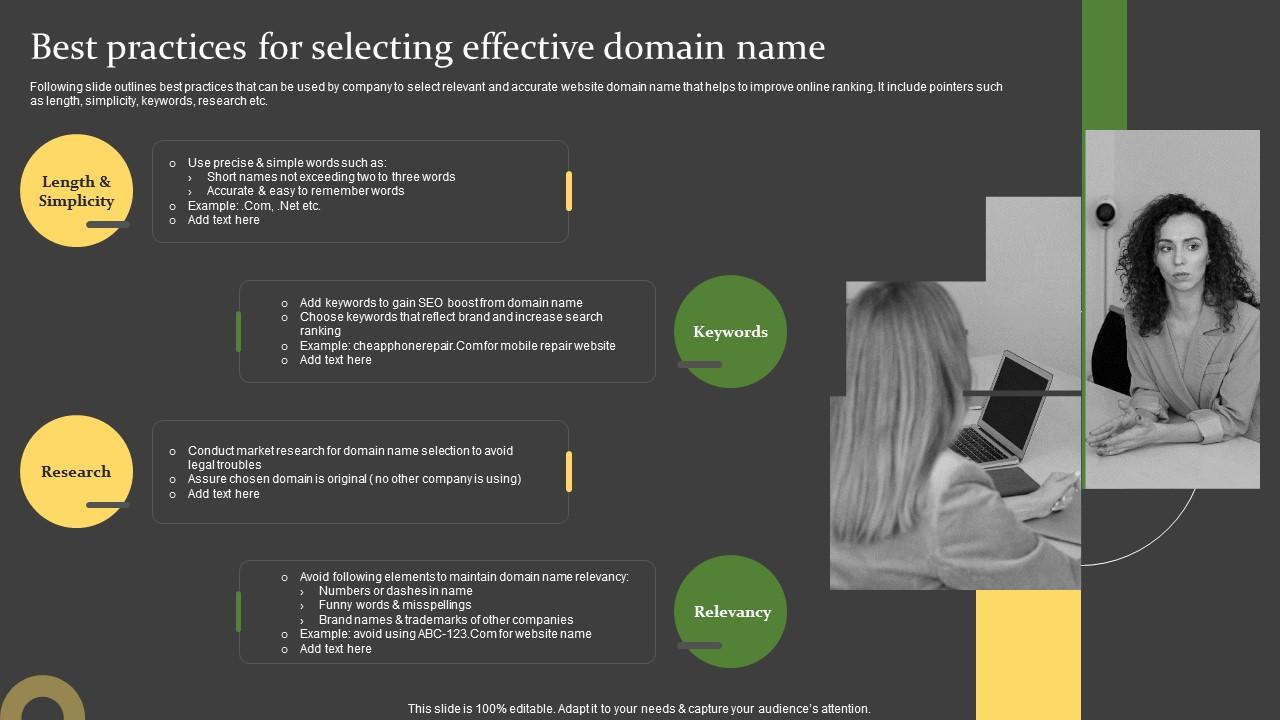
Choosing a domain name for SEO involves selecting a short, memorable name that reflects your brand and includes relevant keywords. Aim for a .com extension, as it is the most recognized and trusted by users.
Best Practices for Selecting a Domain Name for SEO:Selecting the right domain name is crucial for establishing an online presence. A well-chosen domain can boost your SEO efforts and enhance brand recognition. It serves as your digital identity and should convey the essence of your business. An effective domain name is easy to spell and remember, ensuring that potential customers can find you effortlessly.
Integrating relevant keywords can improve your search rankings, making it easier for users to discover your site. Prioritize clarity and simplicity to create a lasting impression.
The Importance Of Domain Names In Seo
Choosing the right domain name is crucial for SEO. A good domain name enhances visibility. It also influences brand perception. An effective domain helps in attracting visitors.
Impact On Brand Perception
A domain name represents your brand online. It creates a first impression. A memorable domain fosters trust and credibility. Users tend to remember simple names.
- Short and Simple: Easy to type and remember.
- Relevant Keywords: Reflects your business focus.
- Brand Consistency: Aligns with your brand identity.
Consider these tips:
- Choose a name that reflects your services.
- Avoid complex spellings.
- Ensure it’s unique in your market.
Influence On Search Engine Rankings
Search engines consider domain names for ranking. Keywords in the domain can boost visibility. A relevant domain name improves click-through rates.
| Domain Name Type | SEO Impact |
|---|---|
| Exact Match Domains | Higher ranking potential for specific keywords. |
| Brandable Domains | Builds strong brand identity, attracting backlinks. |
| Geo-targeted Domains | Improves local search visibility. |
Monitor these factors:
- Domain age
- Domain authority
- Site history
Invest time in selecting the right domain name. It pays off in SEO and brand growth.
Characteristics Of A Strong Domain Name
A strong domain name plays a crucial role in SEO. It influences brand recognition and user trust. Here are key characteristics that make a domain name effective.
Memorability And Brandability
A memorable domain name is easy to remember and spell. Here are some tips:
- Keep it Short: Aim for 6-14 characters.
- Use Simple Words: Avoid complex or uncommon words.
- Be Unique: Stand out from competitors.
- Avoid Numbers and Hyphens: They confuse users.
A brandable name makes a business easy to identify. Think of names like “Google” or “Amazon.” These names are catchy and easy to recall.
Relevance To Business Or Niche
Your domain name should reflect your business. This helps with SEO and attracts the right audience. Consider the following:
- Include Keywords: Use relevant keywords for better visibility.
- Reflect Your Niche: Make it clear what you offer.
- Consider Local SEO: If local, include the location.
For example, a domain like “BestPizzasNYC.com” clearly tells users what to expect. It improves search engine ranking and attracts local customers.
Keyword Integration Strategies
Choosing the right domain name is crucial for SEO. Integrating keywords effectively can boost visibility. Here, we explore strategies for using keywords in domain names.
Pros And Cons Of Exact Match Domains
Exact match domains (EMDs) contain the exact keyword phrase. They can offer benefits and drawbacks.
| Pros | Cons |
|---|---|
| High Relevance: EMDs are directly related to search queries. | Risk of Penalties: Google may penalize if used excessively. |
| Improved Click-Through Rate: Users trust EMDs. | Limited Branding: Harder to build a unique brand. |
Partial Match Domains And Seo Value
Partial match domains (PMDs) include keywords along with other words. They can offer a balance between branding and SEO.
- Flexibility: Easier to create a brand with PMDs.
- Less Risk: Lower chance of penalties from search engines.
- Broader Reach: Attracts users with different queries.
Use PMDs to maintain relevance while enhancing your brand’s identity. Focus on user experience and content quality for better results.

Credit: www.shopify.com
Length Matters: Finding The Sweet Spot
Choosing the right domain name length is crucial for SEO. It affects user experience and search engine rankings. Finding a balance between short and long names is essential.
Short Vs. Long Domain Names
Both short and long domain names have their pros and cons.
- Short Domain Names
- Easy to remember.
- Quick to type.
- Better for branding.
- Long Domain Names
- Can be descriptive.
- May include keywords.
- Risk of being forgotten.
Shorter names are often more effective. Users type them quickly. But long names can explain your business better. Balance is key.
Optimal Length For Seo And User Experience
Studies show that the best domain length is between 6 to 14 characters. This range is ideal for both SEO and user experience.
| Length Range | SEO Impact | User Experience |
|---|---|---|
| 6-14 Characters | High | Excellent |
| 15-20 Characters | Moderate | Fair |
| Over 20 Characters | Low | Poor |
Keeping your domain name short helps with SEO. It improves click-through rates. Users appreciate easy-to-type names. Think about both SEO and user experience.
Top-level Domains (tlds) And Their Seo Impact
Choosing the right Top-Level Domain (TLD) can boost your SEO. TLDs are the last part of a domain name. They play a crucial role in how search engines rank your site. Different TLDs can influence user trust and click-through rates.
Choosing The Right Tld
Selecting the best TLD is essential for your website. Here are some popular TLD options:
- .com – Most recognized and trusted.
- .org – Common for non-profits.
- .net – Often used by tech companies.
- .co – Popular for startups.
- .info – Good for informational sites.
Use these tips for selecting a TLD:
- Choose a TLD that fits your brand.
- Consider local vs. global appeal.
- Prioritize TLDs that build trust.
- Check availability and registration costs.
How Tlds Affect Global Vs. Local Seo
TLDs can influence your site’s SEO on different levels. Global TLDs like .com reach a wider audience. Local TLDs like .uk or .ca target specific regions.
Here’s how they differ:
| TLD Type | Impact | Best Use Case |
|---|---|---|
| Global TLD | Broad audience reach | International businesses |
| Country Code TLD (ccTLD) | Local ranking boost | Local businesses |
| Generic TLD (gTLD) | Specific niches | Special interest sites |
Choosing the right TLD impacts your SEO strategy. Focus on your target audience. A local audience benefits from ccTLDs. A global audience may prefer generic TLDs.
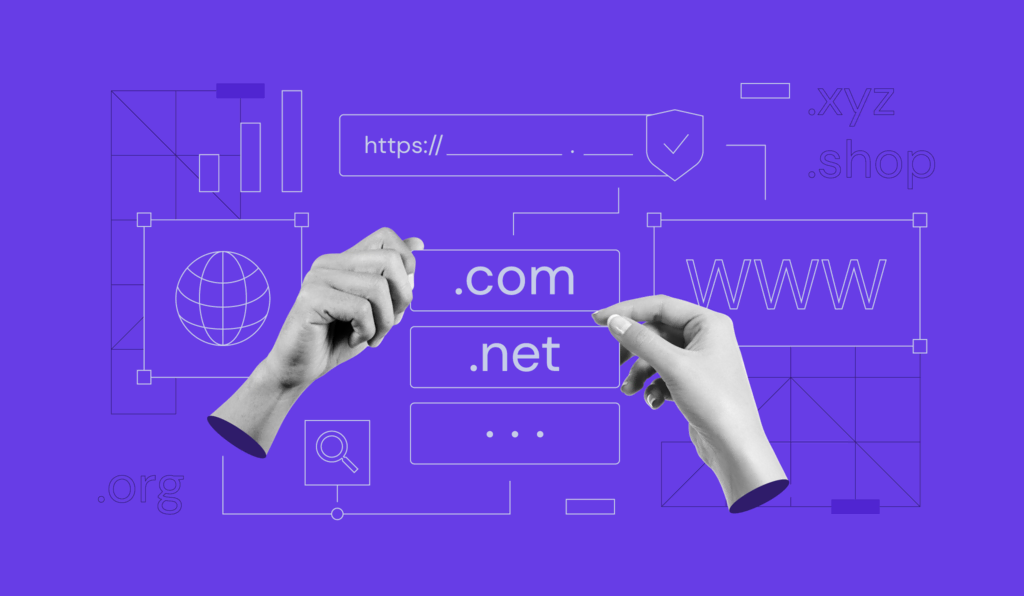
Credit: www.hostinger.com
Hyphens And Numbers: To Use Or Not To Use
Choosing the right domain name affects your website’s success. The use of hyphens and numbers can impact