
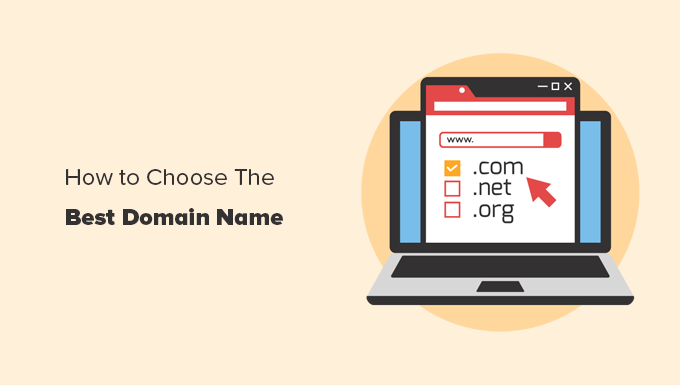
To choose the best domain name for a new website, keep it short, memorable, and relevant to your brand. Avoid complex words and use a familiar extension like .com.
How to Choose the Best Domain Name for a New Website:Selecting the right domain name is crucial for establishing an online presence. A strong domain not only conveys your brand’s identity but also enhances credibility. It acts as your website’s first impression, influencing user trust and engagement. A well-chosen name is easy to remember and spell, making it more likely that visitors will return.
Consider the keywords related to your niche for better search engine optimization. Take your time to brainstorm creative options, ensuring the name resonates with your target audience. Ultimately, a great domain name sets the stage for your website’s success.
The Importance Of A Strong Domain Name
A strong domain name is vital for your website’s success. It serves as your online identity. A memorable name attracts visitors and builds trust. Your domain impacts first impressions, SEO, and branding.
First Impressions Count
Your domain name is often the first thing users see. A catchy name creates a positive impression. It should be easy to spell and pronounce.
- Short and Simple: Aim for 6-14 characters.
- Relevant: Reflect your website’s purpose.
- Unique: Stand out from competitors.
Users are quick to judge. A strong name encourages clicks. A weak name may lead to missed opportunities. Make sure it resonates with your target audience.
Impact On Seo And Branding
Your domain name influences your site’s SEO. Search engines consider keywords in your domain. A relevant keyword can improve rankings.
| SEO Benefits | Branding Benefits |
|---|---|
| Boosts visibility in searches | Creates a memorable brand image |
| Helps target specific audiences | Establishes credibility and trust |
Choose a domain name that aligns with your brand. It should be easy to remember. Avoid complex spellings. This ensures users can find you easily.
A strong domain name enhances your online presence. It plays a crucial role in attracting visitors. Invest time to choose wisely.
Credit: keithdream.tech
Brainstorming The Perfect Domain Name
Choosing a domain name is crucial for your website. A good name helps visitors remember you. It also enhances your brand identity. Start by thinking creatively and strategically. This makes the brainstorming process enjoyable and productive.
Creativity Meets Strategy
Mix creativity with strategy to find the right domain name. Here are some tips:
- Keep it short: Aim for 6-14 characters.
- Make it memorable: Use catchy words.
- Avoid hyphens: They can confuse users.
- Include keywords: Focus on your niche.
- Check availability: Ensure it’s not already taken.
Write down any idea that comes to mind. Don’t hold back. Use a mix of words or phrases. Try combining different elements. This can lead to unique combinations.
Utilizing Domain Name Generators
Domain name generators can simplify your search. They provide creative options quickly. Follow these steps:
- Choose a reliable generator.
- Enter keywords related to your business.
- Filter results based on your preferences.
- Review suggestions and pick favorites.
Some popular domain name generators include:
| Generator Name | Features |
|---|---|
| NameMesh | Offers a variety of domain suggestions. |
| LeanDomainSearch | Focuses on .com domains and keyword combinations. |
| DomainWheel | Combines keywords with random words. |
Using these tools makes brainstorming easier. Explore different options until you find the best fit.
Key Characteristics Of A Great Domain Name
Choosing the right domain name is crucial for your website’s success. A great domain name should resonate with your audience. It must reflect your brand while being easy to remember. Here are the key characteristics to consider.
Memorable And Concise
A memorable domain name sticks in people’s minds. Keep it short and sweet. Aim for 6-14 characters if possible. Here are some tips:
- Use simple words.
- Avoid hyphens and numbers.
- Choose unique combinations.
Check out some examples:
| Domain Name | Length | Memorability |
|---|---|---|
| Google.com | 6 | High |
| Facebook.com | 8 | High |
| Twitter.com | 7 | High |
Easy To Spell And Pronounce
Your domain name should be easy to spell. Complicated words can confuse users. Choose names that sound the way they look. Here are some strategies:
- Use common words.
- Avoid unusual spellings.
- Test it with friends or family.
This ensures people can easily share your website. A simple name encourages word-of-mouth marketing.
Incorporating Keywords Strategically
Choosing the right keywords is crucial for your domain name. Keywords help search engines understand your website’s content. They can improve your site’s visibility. Use them wisely to attract the right audience.
Balancing Brand And Seo
Finding the right balance is essential. Your domain name should reflect your brand while including keywords. Here are some tips:
- Keep it short: Short names are easier to remember.
- Make it unique: Stand out from competitors.
- Use relevant keywords: Choose words related to your business.
A great example is “HealthyEats.com” for a food blog. It combines branding and keywords effectively.
Avoiding Overstuffing With Keywords
Keyword stuffing can harm your SEO. It makes your domain name hard to read. Here’s what to avoid:
- Using too many keywords.
- Creating long, complicated names.
- Choosing keywords that don’t fit your brand.
Focus on one or two relevant keywords. Keep your domain name simple and clear. This strategy enhances user experience and improves SEO.
Understanding Domain Name Extensions
Choosing the right domain name extension is vital for your website. It affects your brand’s credibility and visibility. Different extensions serve various purposes. Knowing their functions helps you make the best choice.
Choosing Between .com, .org, .net, And Niche Tlds
The most common domain name extensions include:
| Extension | Purpose | Best For |
|---|---|---|
| .com | Commercial websites | Businesses, e-commerce |
| .org | Non-profit organizations | Charities, educational sites |
| .net | Network-related services | ISPs, tech companies |
| Niche TLDs | Specific industries | Specialized businesses |
Choose .com for general business. Use .org for non-profits. Opt for .net for tech-related sites. Consider niche TLDs for specialized focus.
When To Consider Local Extensions
Local extensions are great for targeting specific regions. They help build trust within local communities. Examples include:
- .us for the United States
- .ca for Canada
- .uk for the United Kingdom
Use local extensions if you focus on a specific area. They enhance your site’s relevance. This can improve search engine rankings.
Choose wisely. The right extension can boost your online presence. It can make your website more memorable.

Credit: dropshipbusinessesforsale.com
Avoiding Legal Issues
Choosing a domain name is exciting. It also requires caution. Legal issues can arise if you select a name that infringes on someone else’s rights. Protect your website by doing proper research. This section will help you avoid potential legal troubles.
Trademark Research
Before settling on a domain name, conduct thorough trademark research. Trademarks protect brand names and logos. Here’s how to ensure you don’t infringe on existing trademarks:
- Search the United States Patent and Trademark Office (USPTO) database.
- Check for trademarks in your industry.
- Look for similar names in your niche.
Using a trademarked name can lead to costly legal battles. Always choose a unique name. If unsure, consult a