
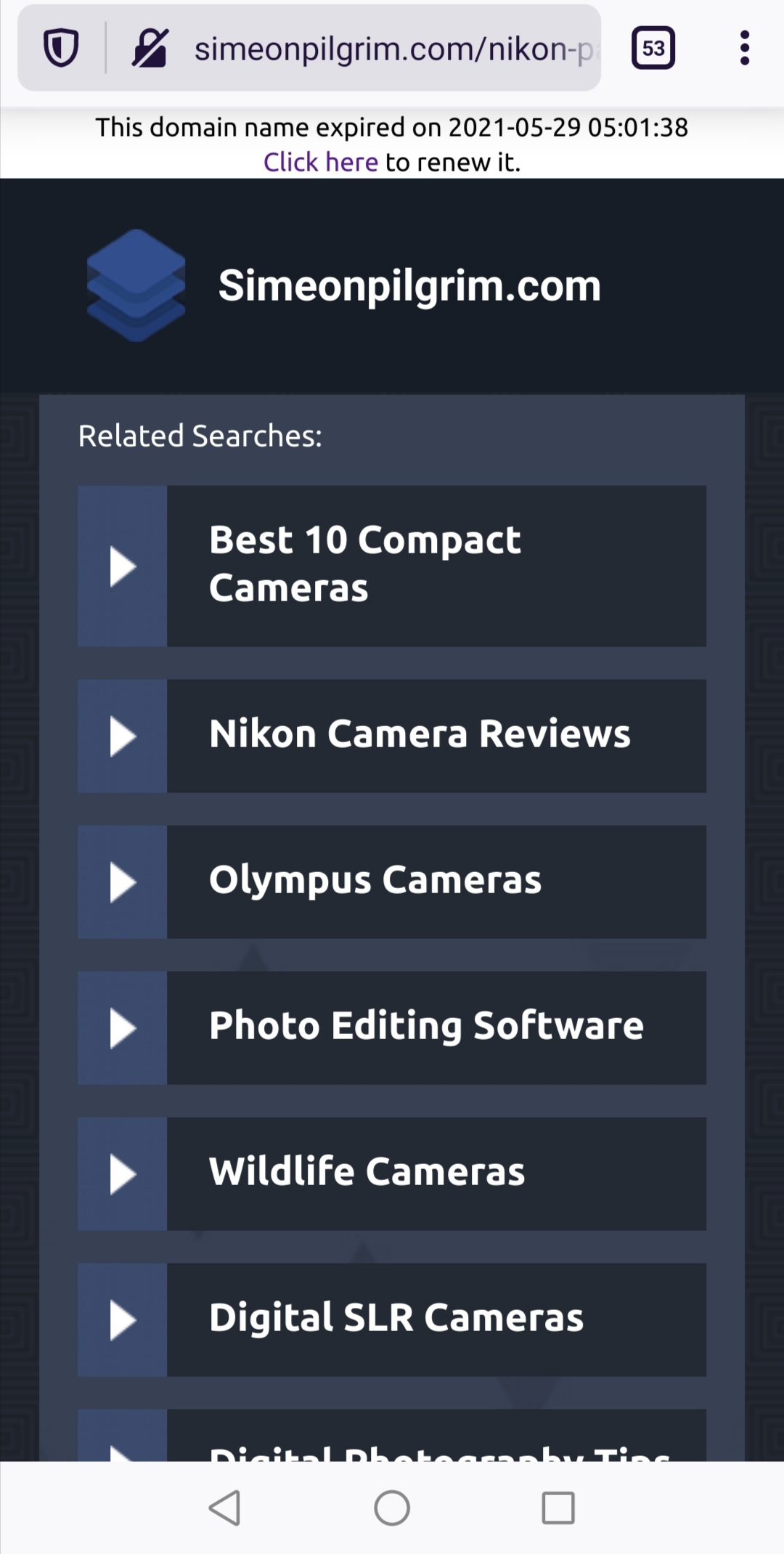
Domain name expiration can lead to loss of your online presence. Renew your domain promptly to avoid service interruptions.
Your domain name serves as your digital identity. Losing it can disrupt your business, affect SEO, and alienate customers. Many domain owners overlook renewal dates, leading to unintended lapses. Staying organized is crucial for maintaining ownership. Set reminders in advance to ensure timely renewal.
Domain Name Expiration And Renewal Tips:Consider enabling auto-renewal features offered by registrars. Understand renewal fees to budget accordingly and avoid surprises. Regularly check your domain’s expiration date and keep your contact information updated with the registrar. These simple steps will help you safeguard your online presence and ensure your business remains accessible to your audience. Prioritizing domain management enhances your brand’s reliability and credibility in the digital landscape.
The Life Cycle Of A Domain Name
Understanding the life cycle of a domain name is crucial for website owners. Each stage plays a vital role in maintaining ownership. Knowing these stages helps avoid losing your domain.
Registration Process
The registration process is the first step in securing a domain name. Here are the key points:
- Select a reliable domain registrar.
- Choose a unique domain name.
- Fill out your contact information.
- Complete payment for the registration.
Once registered, you own the domain name for a specific period, usually one year.
Active Period
The active period starts after successful registration. During this phase, you can:
- Build your website.
- Set up email accounts.
- Manage DNS settings.
Maintain your domain by keeping your contact information current. This ensures you receive important notifications.
Expiration Timeline
Domains typically have a registration period of one year. Here is a simple timeline:
| Stage | Time Frame |
|---|---|
| Registration | Year 1 |
| Expiration | After Year 1 |
After expiration, you may lose your domain if not renewed.
Grace Periods
After expiration, registrars often provide a grace period. This period allows you to renew your domain without losing it. Here are the common grace periods:
- Renewal Grace Period: 30 days
- Redemption Period: 30 days after renewal grace
Take action during these times to save your domain.
Consequences Of Domain Expiry
Domain expiry can lead to serious issues for website owners. Losing your domain means losing access to your online presence. Understand the main consequences to protect your website.
Website Downtime
When a domain expires, your website goes offline. This results in:
- Loss of visitors
- Negative impact on SEO
- Loss of credibility
Search engines may remove your site from their index. A long downtime can hurt your ranking. Customers may think your business is closed.
Loss Of Email Services
Your domain also controls your email services. Expiry means:
- Inability to send or receive emails
- Loss of professional communication
- Potential loss of important contacts
Emails sent to your domain will bounce back. This can confuse clients. It harms your professional image.
Vulnerability To Domain Sniping
Once your domain expires, others can claim it. This process is known as domain sniping. The risks include:
- Loss of brand identity
- Increased competition
- Higher costs to regain the domain
Domain snipers quickly register expired domains. They may sell it back at a high price. Protect your domain to avoid these issues.
Importance Of Timely Renewal
Renewing your domain name on time is crucial. It protects your website and brand. Missing the renewal date can lead to serious issues. Here are some key reasons why timely renewal matters.
Maintaining Online Presence
Every business needs an online presence. A domain name is your digital address. Losing it means losing customers. Here are the risks:
- Website becomes inaccessible.
- Search engines may remove your site.
- Visitors may find competitors instead.
Protecting Brand Identity
Your domain name is your brand’s identity. Delaying renewal can harm your brand. Here’s how:
- Competitors might register your domain.
- Confusion among customers can occur.
- Damage to your brand reputation may happen.
Ensuring Business Continuity
Business continuity relies on your domain. A lapse can disrupt operations. Here are some key points:
| Impact | Result |
|---|---|
| Lost Revenue | Lower sales due to downtime. |
| Customer Trust | Customers may distrust your brand. |
| SEO Rankings | Search rankings may drop. |
Stay on top of your domain renewal. Set reminders and use auto-renew options.

Credit: sitecare.com
Renewal Reminder Strategies
Staying on top of domain name renewals is crucial. A missed renewal can lead to losing your domain. Here are some effective strategies to ensure you never miss a renewal date.
Automated Email Alerts
Setting up automated email alerts is a smart move. Most domain registrars offer this feature. Here’s how to set it up:
- Log into your registrar account.
- Navigate to the notifications settings.
- Enable email reminders for upcoming renewals.
These alerts usually come 30, 15, and 7 days before expiration. Check your spam folder, too. Important emails can land there.
Calendar Notifications
Using a calendar app can keep you organized. Here’s how to set it up:
- Open your preferred calendar app.
- Add a new event for each domain.
- Set reminders for 30, 15, and 7 days before the expiration date.
This method gives you a visual reminder. It helps you plan your budget for renewals.
Third-party Monitoring Services
Consider using third-party services for monitoring. These services can track multiple domains. They send alerts for renewals. Here are some popular options:
| Service | Features | Price |
|---|---|---|
| Domain Watcher | Alerts for renewals, transfers, and expirations | $5/month |
| Domain Monitor | Custom notifications for multiple domains | $10/month |
| DNS Monitor | Real-time alerts for domain issues | $15/month |
Choose a service that fits your needs. This can save you from losing valuable domains.
Auto-renewal: Pros And Cons
Auto-renewal can save time and prevent domain loss. It’s essential to understand the benefits and drawbacks. Let’s explore the pros and cons of auto-renewal for your domain names.
Set It And Forget It
Auto-renewal offers a hands-off approach. Once set up, it automatically renews your domain. Here are some key advantages:
- Peace of Mind: No need to remember renewal dates.
- Consistent Ownership: Avoid accidental loss of your domain.
- Time-Saving: Focus on other important tasks.
Many website owners prefer this convenience. It ensures your site stays online without interruptions.
Unintended Renewals
Auto-renewal can have downsides. Unintentional renewals may occur. Consider these points:
- Unwanted Domains: You may forget about old domains.
- Budget Concerns: Unexpected charges can strain finances.
- Over-Renewal: Some domains may no longer be necessary.
Review your domain list regularly. Cancel domains you no longer need. This keeps your expenses manageable.
Updating Billing Information
Keeping billing information current is crucial. Outdated payment details can lead to issues. Here’s what to do:
- Regularly check your payment methods.
- Update credit card information promptly.
- Monitor expiration dates on cards.
Missing a payment can cause your domain to expire. Always stay ahead by ensuring your billing info is accurate. This keeps your domains safe and secure.

Credit: www.icann.org
Manual Renewal Best Practices
Maintaining your domain name is crucial for your online presence. Manual renewal practices help avoid unexpected expirations. Follow these tips to keep your domain active.
Regular Domain Audits
Conducting regular audits ensures your domain stays current. Here are key steps:
- Check domain expiration dates regularly.
- Review contact information for accuracy.
- Confirm payment methods are up to date.
Use a calendar to set reminders. Consider doing audits every three to six months.
Renewal Checklists
A checklist helps streamline the renewal process. Include these items:
- Verify the