
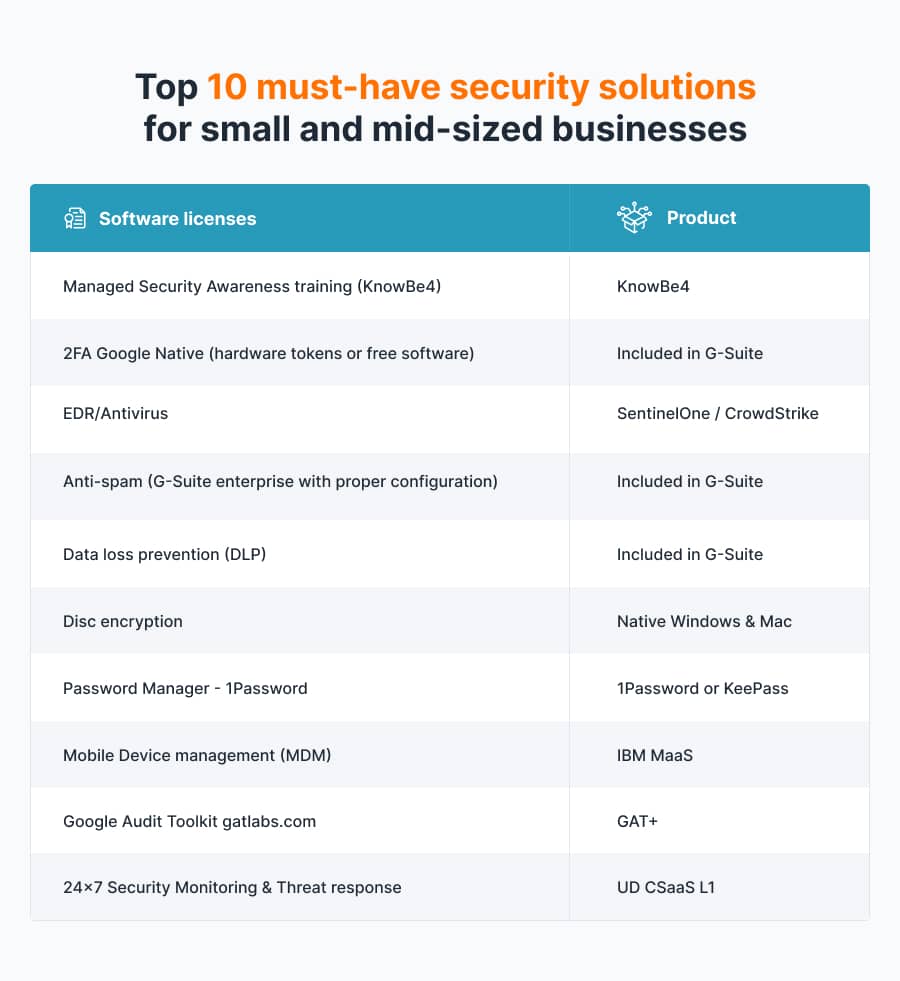
Small businesses can enhance their cybersecurity by using tools like firewalls, antivirus software, and data encryption. Regular software updates and employee training are also crucial.
Cybersecurity Tools for Small Businesses:Cybersecurity is a pressing concern for small businesses, as they often lack the resources to combat cyber threats. Many small companies mistakenly believe they are too insignificant to attract hackers. However, cybercriminals frequently target smaller enterprises due to their weaker defenses.
Implementing effective cybersecurity tools helps protect sensitive data and maintain customer trust. Solutions like intrusion detection systems, secure cloud storage, and phishing protection are essential. Investing in these tools not only safeguards your business but also promotes a culture of security awareness among employees. Prioritizing cybersecurity is vital for sustainable growth and resilience in today’s digital landscape.
Introduction To Cybersecurity For Small Businesses
Cybersecurity is vital for small businesses. Protecting digital assets is crucial for growth. Small businesses face unique challenges in the digital world. Understanding cybersecurity helps safeguard sensitive information.
Importance Of Protecting Digital Assets
Digital assets include data, software, and intellectual property. Protecting them ensures business continuity. Data breaches can lead to financial loss and damage trust. Here are key reasons to focus on cybersecurity:
- Reputation Management: A secure business builds customer trust.
- Financial Security: Prevent costly data breaches and fines.
- Compliance: Adhere to laws and regulations.
Investing in cybersecurity tools improves your defenses. Small businesses must prioritize protection.
Common Cyber Threats To Watch Out For
Small businesses face various cyber threats. Awareness of these threats is essential. Here are some common types:
| Cyber Threat | Description |
|---|---|
| Phishing | Fraudulent emails trick users into revealing information. |
| Ransomware | Malware that locks files until a ransom is paid. |
| Malware | Software designed to harm or exploit devices. |
| DDoS Attacks | Overwhelm servers to disrupt services. |
Understanding these threats helps small businesses prepare. Implementing strong cybersecurity measures can reduce risks.
Starting With The Basics: Essential Cybersecurity Measures
Small businesses face many cybersecurity threats daily. Implementing basic measures can protect valuable data. Focus on essential tools and practices to enhance security.
Regular Software Updates
Keeping software updated is crucial. Outdated software can have vulnerabilities. Here are key points about regular updates:
- Install updates as soon as they are available.
- Enable automatic updates for convenience.
- Regularly check for updates on all devices.
Use this table to track software updates:
| Software | Last Updated | Next Update Due |
|---|---|---|
| Operating System | MM/DD/YYYY | MM/DD/YYYY |
| Antivirus | MM/DD/YYYY | MM/DD/YYYY |
| Applications | MM/DD/YYYY | MM/DD/YYYY |
Effective Password Policies
Strong passwords are the first line of defense. Weak passwords can lead to breaches. Implement these practices for effective password management:
- Use at least 12 characters.
- Mix letters, numbers, and symbols.
- Change passwords every three to six months.
- Do not share passwords with anyone.
Consider using a password manager. This tool stores and generates strong passwords. It simplifies the management of multiple accounts. Keep your business secure with effective password policies.
Top Cybersecurity Tools For Small Businesses
Small businesses face many cybersecurity threats. Protecting sensitive data is crucial. The right tools can help secure your business. Here are some top cybersecurity tools to consider.
Antivirus Software Choices
Antivirus software is essential for defending against malware. It scans, detects, and removes harmful software.
Here are some popular antivirus options:
- Bitdefender: Offers multi-layer ransomware protection.
- Norton: Known for strong malware detection and removal.
- McAfee: Includes web protection features.
- Kaspersky: Provides excellent real-time protection.
Consider these factors:
- Cost: Choose a plan that fits your budget.
- Features: Look for essential tools like firewall and VPN.
- User-Friendliness: Select software that is easy to use.
Firewall Solutions
A firewall is vital for network security. It blocks unauthorized access to your network.
Here are some recommended firewall solutions:
| Firewall | Features | Best For |
|---|---|---|
| ZoneAlarm | Two-way firewall, anti-phishing | Home and small business |
| Comodo | Host intrusion prevention, sandboxing | Advanced users |
| Fortinet | Unified Threat Management (UTM) | Medium-sized businesses |
Choose a firewall that suits your needs. Regular updates are key to maintaining security.

Credit: it.nc.gov
Defending Against Malware And Ransomware
Cyber threats like malware and ransomware can severely harm small businesses. These threats can steal data, disrupt operations, and damage reputations. Understanding how to defend against these dangers is crucial. Implementing the right tools and techniques can safeguard your business.
Anti-malware Tools
Anti-malware tools protect your systems from various threats. They detect and remove harmful software. Here are some popular options:
- Malwarebytes: Excellent for real-time protection.
- Norton: Offers comprehensive security features.
- Bitdefender: Known for its powerful scanning capabilities.
- Kaspersky: Provides strong protection against ransomware.
Using these tools helps maintain a secure environment. Regularly update them to ensure maximum protection.
Ransomware Prevention Techniques
Preventing ransomware attacks requires a proactive approach. Here are some effective techniques:
- Regular Backups: Keep backups of important data. Store them offline.
- Use Strong Passwords: Create complex passwords for all accounts.
- Employee Training: Educate employees about phishing scams.
- Software Updates: Regularly update all software and systems.
- Network Security: Use firewalls to protect your network.
Implementing these techniques reduces the risk of ransomware. A multi-layered approach is the best defense.
Securing Email Communications
Email is vital for small businesses. It helps in daily communication. However, it is also a major target for cyber threats. Securing email communications is crucial to protect sensitive information. Implementing effective tools and strategies can shield your business from risks.
Email Encryption Tools
Email encryption tools protect your messages. They ensure only the intended recipient can read the email. Here are some popular options:
| Tool | Description | Features |
|---|---|---|
| ProtonMail | A secure email service with end-to-end encryption. |
|
| Hushmail | Encrypts emails and attachments easily. |
|
| Mailfence | Offers secure email with privacy features. |
|
Choose a tool that fits your needs. Ensure it integrates well with your current systems. Regularly update your encryption methods to stay secure.
Anti-phishing Strategies
Phishing attacks trick users into revealing sensitive information. These attacks often appear as legitimate emails. Implement these strategies to combat phishing:
- Educate Employees: Train staff on identifying phishing emails.
- Use Spam Filters: Activate spam filters to catch suspicious emails.
- Verify Sources: Always che