

Information security policies for healthcare organizations are critical for protecting patient data. These policies ensure compliance with regulations like HIPAA and safeguard sensitive information from breaches.
Healthcare organizations face unique challenges in managing sensitive patient information. With increasing cyber threats and stringent regulations, having robust information security policies is essential. These policies outline the procedures for data handling, access controls, and incident response. They not only help in maintaining patient trust but also protect organizations from legal repercussions.
A comprehensive approach to information security includes staff training, risk assessments, and regular audits. By prioritizing these policies, healthcare providers can create a safer environment for both patients and staff while ensuring compliance with industry standards.
Introduction To Healthcare Information Security
Healthcare information security is crucial in today’s digital world. It protects sensitive patient data from unauthorized access. Effective policies help maintain patient trust and comply with regulations. Strong security measures safeguard against data breaches and cyber threats.
The Importance Of Protecting Patient Data
Protecting patient data is vital for several reasons:
- Trust: Patients expect their information to remain private.
- Compliance: Organizations must meet legal and regulatory requirements.
- Reputation: A data breach can damage an organization’s reputation.
- Financial Impact: Breaches can lead to costly fines and lawsuits.
Healthcare organizations handle sensitive information. This includes personal details, medical histories, and payment information. A data breach can lead to identity theft and fraud. Protecting this data is essential for patient safety and organizational integrity.
Current Challenges In Healthcare Data Security
Healthcare organizations face various challenges in data security:
| Challenge | Description |
|---|---|
| Increased Cyber Attacks | Cyber threats are rising, targeting healthcare systems. |
| Legacy Systems | Older systems may lack modern security features. |
| Employee Training | Staff may not be aware of security best practices. |
| Data Sharing | Sharing data with third parties increases risk. |
Organizations must address these challenges. Regular training and updated technologies can help. Strong policies and procedures are necessary to protect patient information.
Essential Security Policies In Healthcare
Healthcare organizations face unique challenges in protecting sensitive data. With increasing cyber threats, strong security policies are vital. These policies guide staff on best practices. They protect patient data and maintain trust. Below are key policies that should be in place.
Access Control And User Authentication
Access control ensures only authorized personnel can view sensitive information. This includes patient records and medical histories. Strong user authentication methods are critical.
- User Roles: Assign roles to staff members.
- Least Privilege: Give users the minimum access needed.
- Multi-Factor Authentication (MFA): Use at least two methods for verification.
Implementing these strategies reduces unauthorized access. It enhances data security across the organization.
Data Encryption And Protection
Data encryption protects information from unauthorized access. This is essential for patient data, both in transit and at rest. Encryption ensures that data is unreadable without proper keys.
| Data Type | Encryption Method | Purpose |
|---|---|---|
| Patient Records | AES-256 | Protect against data breaches |
| Communication | TLS | Secure data in transit |
| Backup Data | RSA | Ensure data recovery and security |
Regular audits of encryption methods help maintain security. Staff training on data protection practices is also crucial.
Risk Management Frameworks
Healthcare organizations face many threats. A solid risk management framework helps protect sensitive data. It identifies risks, evaluates them, and establishes ways to mitigate them. This approach ensures patient safety and trust.
Regular Risk Assessments
Regular risk assessments are vital for identifying new threats. They help organizations stay ahead of potential breaches. Here’s how to conduct effective risk assessments:
- Identify assets: List all sensitive data and systems.
- Evaluate vulnerabilities: Find weaknesses in your systems.
- Assess threats: Determine possible threats to your assets.
- Calculate risks: Measure the impact of each threat.
Schedule assessments at least once a year. Consider more frequent assessments for high-risk areas. Document findings to track improvements over time.
Developing A Risk Mitigation Strategy
A risk mitigation strategy outlines how to handle identified risks. It includes steps to reduce, transfer, or accept risks. Key elements of this strategy include:
| Risk Type | Mitigation Action | Responsible Party |
|---|---|---|
| Data Breach | Implement encryption | IT Department |
| Unauthorized Access | Set up multi-factor authentication | Security Team |
| Loss of Data | Regular backups | IT Department |
Train staff on security policies. Regular training reduces human errors. Ensure everyone understands their roles in maintaining security.
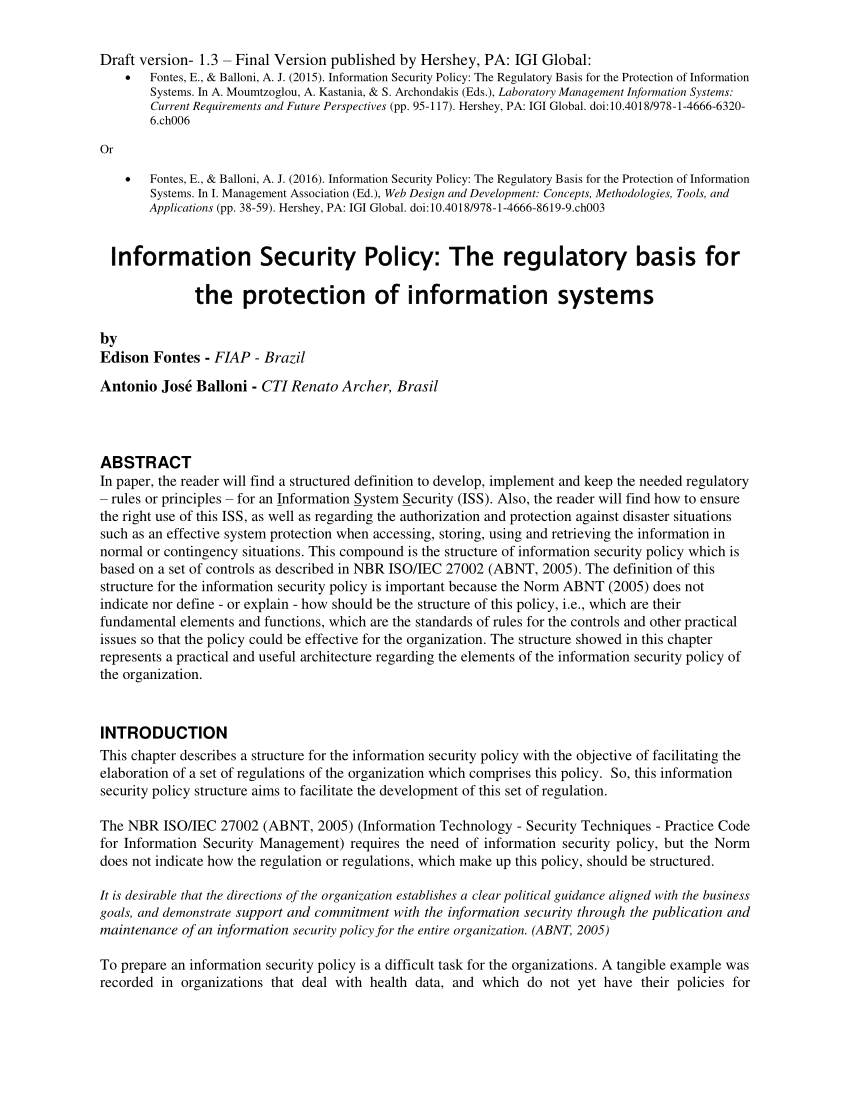
Credit: www.researchgate.net
Employee Training And Awareness
Employee training and awareness are vital in healthcare security. Staff must understand the risks. They should know how to protect sensitive information. A knowledgeable workforce reduces security breaches.
Creating A Culture Of Security
Building a culture of security is essential. Employees should feel responsible for data protection. Here are some ways to foster this culture:
- Leadership Commitment: Leaders must prioritize security.
- Open Communication: Encourage discussions about security issues.
- Recognition Programs: Reward employees for following security protocols.
When employees understand their role, they act more securely. This proactive approach helps prevent data leaks. It creates a safer environment for everyone.
Ongoing Security Education Programs
Regular training keeps employees informed about new threats. Programs should be engaging and practical. Here are some effective methods:
- Workshops: Conduct hands-on sessions.
- Webinars: Offer online training to reach more staff.
- Simulations: Run mock security incidents.
Consider using a table to track training progress:
| Training Type | Frequency | Participants |
|---|---|---|
| Workshops | Quarterly | All Staff |
| Webinars | Monthly | New Employees |
| Simulations | Bi-Annually | Security Team |
Keeping the training fresh and relevant encourages participation. Employees will stay alert to potential threats. Regular education helps maintain a strong security posture.
Incident Response Planning
Incident response planning is crucial for healthcare organizations. It helps protect sensitive patient data. A strong plan minimizes risks from security breaches. This section covers how to develop and test an effective incident response plan.
Developing An Effective Response Plan
Creating a solid incident response plan involves several key steps:
- Identify Critical Assets: Know what data and systems need protection.
- Define Roles and Responsibilities: Assign tasks to team members.
- Establish Communication Protocols: Ensure clear communication during incidents.
- Document Procedures: Write down steps for handling incidents.
- Set Recovery Strategies: Plan how to restore normal operations.
Each step builds a strong foundation. A thorough plan can save time and resources during a crisis.
Testing And Improving Incident Response
Testing your incident response plan is essential. Regular testing helps find weaknesses. Consider these methods:
- Tabletop Exercises: Simulate scenarios in a controlled environment.
- Live Drills: Conduct real-time response drills with your team.
- Review After Incidents: Analyze what worked and what didn’t.
Improvement is a continuous process. Use feedback to refine your plan. This will enhance your organization’s readiness.
| Testing Method | Description | Frequency |
|---|---|---|
| Tabletop Exercises | Discuss scenarios and responses. | Quarterly |
| Live Drills | Practice real-time responses. | Bi-Annually |
| Post-Incident Review | Analyze responses after incidents. | As Needed |
Regular testing keeps your plan effective. Stay ready for any security incident.
Regular Audits And Compliance Checks
Regular audits and compliance checks are vital for healthcare organizations. They help maintain strong security policies. These measures ensure patient data stays safe. Compliance prevents costly breaches and legal issues.
Conducting Internal Security Audits
Internal security audits assess the effectiveness of security policies. They identify weaknesses and areas for improvement. Follow these steps for a successful audit:
- Plan the Audit: Decide what to review.
- Gather Team: Include IT and compliance staff.
- Review Policies: Check existing security policies.
- Conduct Interviews: Talk to staff about security practices.
- Analyze Findings: Identify gaps and risks.
- Document Results: Create a report with recommendations.
Use a table to summarize key audit findings:
| Audit Area | Findings | Recommendations |
|---|---|---|
| Access Control | Weak password policies | Implement stronger password requirements |
| Data Encryption | Unencrypted sensitive data | Encrypt all patient data |
| Staff Training | Lack of awareness | Regular training sessions |
Staying Up-to-date With Healthcare Regulations
Healthcare regulations change often. Organizations must stay informed to ensure compliance. Key regulations include:
- HIPAA: Protects patient privacy and data security.
- HITECH: Promotes health information technology.
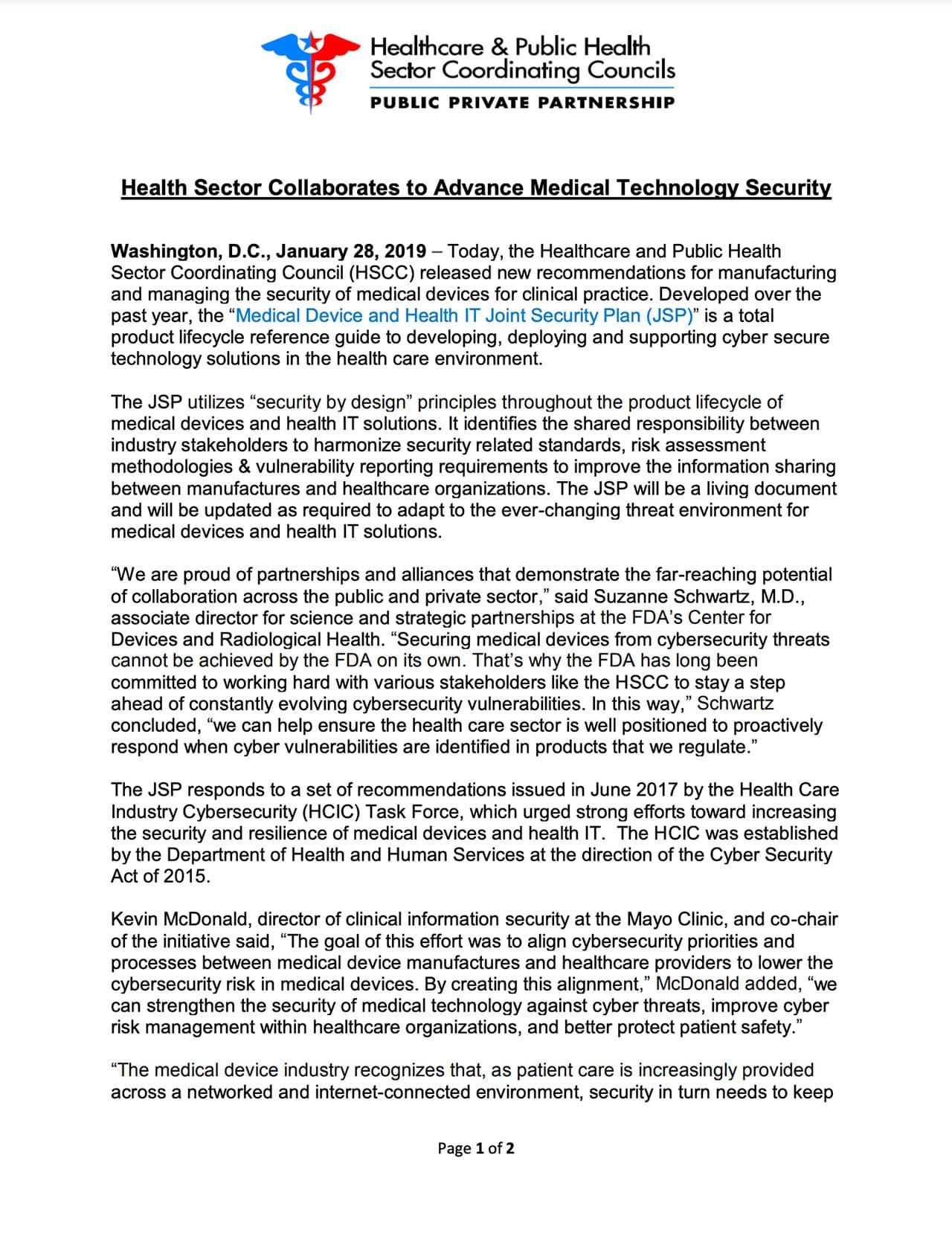
- FDA Regulations: Ensures the safety of medical devices.
Regular training on these regulations is essential. Staff should understand their responsibilities. Use newsletters or workshops to share updates. This proactive approach reduces risks and strengthens security.
Data Backup And Recovery Strategies
Data backup and recovery strategies are vital for healthcare organizations. They protect sensitive patient information. A solid plan reduces risks from data loss. These strategies ensure quick recovery after a crisis.
Implementing Redundant Backup Systems
Redundant backup systems are essential for data security. They create multiple copies of data. This approach safeguards against hardware failures or cyberattacks.
- Use both on-site and off-site backups.
- Consider cloud storage for flexibility.
- Schedule regular backups to avoid data loss.
Choose reliable backup software. It should automate processes and ensure data integrity. Monitor backups frequently to confirm success.
Testing Recovery Procedures
Testing recovery procedures is crucial for effective data recovery. Regular testing identifies weaknesses in the system. It ensures that recovery plans work as intended.
- Conduct drills at least twice a year.
- Simulate different disaster scenarios.
- Document results and update plans accordingly.
Effective testing builds confidence in recovery processes. Ensure all staff are trained on recovery steps. This preparation minimizes downtime during actual incidents.
Partnering With Trusted Vendors
Healthcare organizations rely on various vendors for essential services. Choosing the right partners is crucial. Trusted vendors help protect patient data and ensure compliance. This section covers key steps in managing vendor relationships.
Vetting Third-party Service Providers
Vetting vendors is a vital first step. This process ensures they meet security standards. Follow these steps for effective vetting:
- Research the Vendor: Check their reputation and reviews.
- Assess Security Measures: Understand their data protection methods.
- Review Compliance: Ensure they follow HIPAA and other regulations.
- Conduct Background Checks: Verify their history and financial stability.
Use a vendor checklist to streamline this process. Key factors include:
| Factor | Description |
|---|---|
| Data Encryption | Ensure all sensitive data is encrypted. |
| Access Controls | Verify strict access controls are in place. |
| Incident Response | Check their plan for data breaches. |
Establishing Clear Vendor Security Agreements
Clear agreements protect both parties. These documents outline security expectations. Key components include:
- Data Ownership: Define who owns the data.
- Security Responsibilities: Specify each party’s security roles.
- Incident Reporting: Set timelines for reporting breaches.
- Audit Rights: Allow regular audits of vendor security practices.
Regularly review these agreements. Update them as needed to reflect changing threats. Strong agreements build trust and protect patient information.
Advancements In Security Technologies
Healthcare organizations face increasing security threats. They must adopt advanced technologies to protect sensitive data. New security solutions keep patient information safe from cyberattacks. These advancements help organizations comply with regulations and build trust with patients.
Adopting Next-generation Security Solutions
Next-generation security solutions offer better protection. These include:
- Intrusion Detection Systems (IDS): Monitors network traffic for suspicious activity.
- Next-Generation Firewalls (NGFW): Provides deeper inspection of traffic.
- Data Loss Prevention (DLP): Protects sensitive data from unauthorized access.
These tools help healthcare organizations detect threats quickly. They also respond faster to security incidents.
Leveraging Artificial Intelligence For Security
Artificial Intelligence (AI) plays a crucial role in security. AI can analyze vast amounts of data quickly. It identifies threats that humans might miss. Key benefits of AI in security include:
- Real-Time Threat Detection: AI monitors networks continuously.
- Predictive Analytics: AI predicts potential attacks before they happen.
- Automated Responses: AI can react to threats without human intervention.
Healthcare organizations can use AI to strengthen their defenses. This technology helps maintain patient privacy and trust.
Frequently Asked Questions
What Are Healthcare Information Security Policies?
Healthcare information security policies are guidelines designed to protect sensitive patient data. These policies address data privacy, access control, and breach response. They ensure compliance with regulations like HIPAA. Effective policies help organizations safeguard against cyber threats and maintain patient trust.
Why Are Security Policies Important For Healthcare?
Security policies are crucial for healthcare organizations to protect sensitive information. They mitigate risks associated with data breaches and cyberattacks. Furthermore, these policies help ensure compliance with legal standards. Ultimately, they safeguard patient trust and the organization’s reputation.
How To Develop A Security Policy In Healthcare?
To develop a security policy, assess current risks and vulnerabilities. Involve key stakeholders, including IT and legal teams. Create clear guidelines for data protection, access control, and incident response. Finally, regularly review and update the policy to address emerging threats and compliance requirements.
What Are Common Security Threats In Healthcare?
Common security threats in healthcare include phishing attacks, ransomware, and insider threats. Cybercriminals often target healthcare organizations due to valuable patient data. Additionally, inadequate training and outdated systems increase vulnerability. Regular risk assessments and employee training can help mitigate these threats effectively.
Conclusion
Establishing strong information security policies is crucial for healthcare organizations. These policies protect sensitive data and ensure patient trust. Regular training and updates help staff stay informed about best practices. Prioritizing security not only meets compliance requirements but also enhances overall operational efficiency.
Secure your organization’s future with robust policies today.


Leave a Reply