

Domain Name Privacy Protection safeguards your personal information from public access in the WHOIS database. It’s crucial for maintaining privacy and reducing spam.
What is Domain Name Privacy Protection:Registering a domain is an essential step for establishing an online presence. However, this process often exposes personal details like your name, address, and phone number. Without privacy protection, anyone can access this information, leading to unwanted solicitations and potential security risks.
Domain Name Privacy Protection acts as a shield, keeping your data confidential. It replaces your information with the registrar’s details in the WHOIS database. This service not only enhances your online safety but also helps maintain a professional image. Protecting your domain is vital for anyone serious about their online identity and brand.
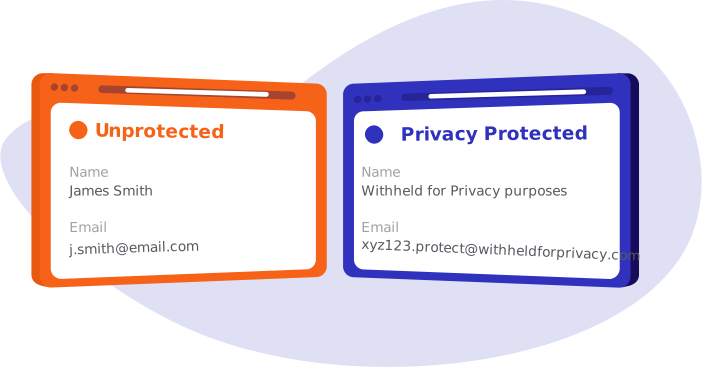
Credit: www.namecheap.com
The Essence Of Domain Name Privacy
Domain Name Privacy Protection keeps your personal information safe. It prevents your data from being publicly accessible. When you register a domain, your name, address, email, and phone number become visible. This exposure can lead to unwanted attention and potential risks.
Unveiling Domain Privacy
Domain privacy is a service offered by registrars. It masks your personal details from the WHOIS database. WHOIS is a public database that stores information about registered domains. Without privacy protection, anyone can view your information.
- Protects Personal Information: Keeps your data safe.
- Prevents Spam: Reduces unwanted emails and calls.
- Enhances Security: Reduces risks of identity theft.
Many registrars offer domain privacy as an add-on service. It usually costs a small fee. However, the benefits far outweigh the costs.
Risks Of Unprotected Domain Registration
Leaving your domain registration unprotected poses serious risks. Here are some potential dangers:
| Risk | Description |
|---|---|
| Spam | Public information leads to unwanted emails and calls. |
| Identity Theft | Thieves can use your information for fraud. |
| Domain Hijacking | Hackers may take control of your domain. |
| Harassment | Public details can attract unwanted attention. |
Protecting your domain ensures peace of mind. It safeguards your privacy and security. Investing in domain name privacy is a wise choice for all website owners.
Domain Registration And Personal Data Exposure
Domain registration involves the purchase of a website address. This process often exposes personal data. Many people do not realize how much information becomes public. This can lead to unwanted attention and privacy concerns.
What Information Is Made Public?
When you register a domain, certain information is displayed publicly. This includes:
- Full Name
- Address
- Email Address
- Phone Number
- Domain Registration Date
- Domain Expiration Date
Anyone can access this information through a service called WHOIS. This exposure can lead to spam, scams, or even identity theft.
How Whois Works
WHOIS is a protocol that provides information about domain ownership. It connects to databases that store domain registration details. Here’s how it works:
- A user queries a WHOIS database.
- The database returns information about the domain.
- The user can see the registrant’s details.
This system allows anyone to find out who owns a domain. While this can be useful, it can also be a privacy risk. Domain Name Privacy Protection can help shield your personal information from public view.
| Type of Information | Visibility |
|---|---|
| Full Name | Public |
| Address | Public |
| Email Address | Public |
| Phone Number | Public |
| Domain Registration Date | Public |
| Domain Expiration Date | Public |
The Mechanics Of Domain Privacy Protection
Domain Name Privacy Protection hides your personal information. This protection shields your details from public view. It ensures your data remains safe and secure. Let’s explore how this works in detail.
The Role Of Proxy Information
Proxy information acts as a shield between you and the public. Here’s how it functions:
- Your name and address get replaced with proxy details.
- Registration companies provide this proxy service.
- Anyone searching for your domain sees the proxy information.
This process keeps your identity anonymous. It reduces spam and unwanted contact. Businesses and individuals benefit greatly from this service.
Legalities And Limitations
Domain Privacy Protection has legal aspects to consider. Here are some important points:
| Aspect | Details |
|---|---|
| Legality | Using a proxy is legal in many countries. |
| Limitations | Some registrars require accurate data for legal reasons. |
| Domain Transfers | Privacy protection may need to be removed during transfers. |
Understanding these legalities helps you choose wisely. Always read terms from your registrar. This ensures you stay compliant with laws.
Credit: www.godaddy.com
Evaluating The Need For Domain Privacy
Domain name privacy protection safeguards personal information. This service helps keep your details hidden from public view. It reduces risks of spam, identity theft, and harassment.
Many people don’t realize the importance of domain privacy. Evaluating your need for privacy can protect your online presence. This section will help you understand who should consider domain privacy and how to weigh privacy against accessibility.
Who Should Consider Domain Privacy?
Domain privacy is vital for various groups, including:
- Business Owners: Protect sensitive company information.
- Freelancers: Keep personal details secure from clients.
- Nonprofits: Safeguard donor information.
- Bloggers: Maintain anonymity while sharing thoughts.
- Anyone Registering a Domain: Avoid public exposure of personal data.
Each group faces unique risks. Evaluating these risks helps in deciding on domain privacy.
Weighing Privacy Against Accessibility
Choosing domain privacy involves trade-offs. Consider the following:
| Aspect | Domain Privacy | Public Information |
|---|---|---|
| Privacy Level | High | Low |
| Spam Risks | Reduced | Increased |
| Identity Theft | Minimized | Exposed |
| Brand Trust | Enhanced | Risky |
Assess how much privacy matters to you. Weigh benefits against potential accessibility issues.
- Privacy protects your data.
- Accessibility may enhance visibility.
Comparing Domain Privacy Services
Choosing the right domain privacy service is crucial for online security. It helps keep your personal information safe. Many providers offer different features and pricing. Understanding these differences helps in making an informed choice.
Criteria For Choosing A Privacy Service
When selecting a domain privacy service, consider these key factors:
- Cost: Compare pricing plans across different providers.
- Features: Look for extra services like email forwarding and security alerts.
- Reputation: Research customer reviews and ratings.
- Support: Check for 24/7 customer support availability.
- Compliance: Ensure the service follows privacy