
Wasim Khan: Securing Digital Frontiers with Ethical Precision"
Category: Information Security
-
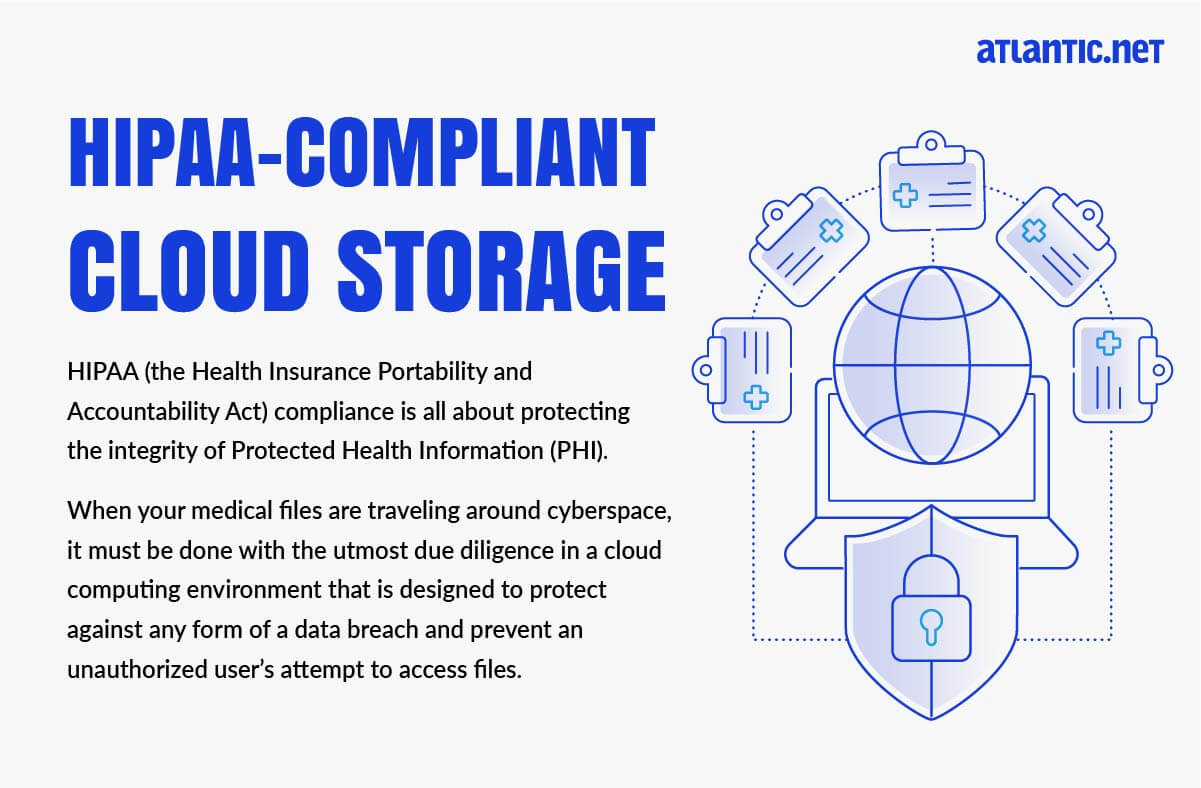
Preventing Data Breaches in Cloud Computing Environments: Pro Tips
To prevent data breaches in cloud computing environments, implement strong encryption and regular security audits. User access controls and employee training are also essential. Preventing Data Breaches in Cloud Computing Environments:Cloud computing offers significant advantages, but it also presents unique security challenges. Data breaches can lead to severe consequences, including financial loss and reputational damage.
-

How to Secure Remote Access for Employees: Smart Tips
To secure remote access for employees, implement a Virtual Private Network (VPN) and enforce strong password policies. Regularly update security protocols and provide employee training on safe practices. How to Secure Remote Access for Employees:In today’s digital workplace, remote access has become essential. Companies must prioritize security to protect sensitive information and maintain productivity. With
-
How to Implement Multi-Factor Authentication: Secure Your Office Now!
To implement multi-factor authentication (MFA) in the workplace, choose an MFA provider that suits your needs. Next, educate employees on the importance and process of using MFA. How to Implement Multi-Factor Authentication:Multi-factor authentication is essential for enhancing workplace security. Cyber threats are on the rise, making traditional passwords insufficient. MFA adds an extra layer of
-

The Role of Encryption: Your Shield for Data Privacy
Encryption plays a crucial role in protecting sensitive data by converting it into an unreadable format. This process ensures that only authorized users can access the information. The Role of Encryption:Sensitive data, such as personal information and financial records, is vulnerable to unauthorized access and cyber threats. Encryption serves as a robust defense mechanism, safeguarding
-

Information Security Policies for Healthcare: Safeguard Tips
Information security policies for healthcare organizations are critical for protecting patient data. These policies ensure compliance with regulations like HIPAA and safeguard sensitive information from breaches. Healthcare organizations face unique challenges in managing sensitive patient information. With increasing cyber threats and stringent regulations, having robust information security policies is essential. These policies outline the procedures
-

Ways to Protect Personal Information: Cyber-Safe Habits
To protect personal information from cyber threats online, use strong passwords and enable two-factor authentication. Regularly update your software and be cautious with sharing personal details. Ways to Protect Personal Information:In today’s digital age, protecting personal information is crucial. Cyber threats are prevalent, targeting individuals and businesses alike. Data breaches, phishing attacks, and malware can
-

How to Create an Effective Information Security Policy for Organizations: A Step-by-Step Guide
To create an effective information security policy, identify your organization’s specific security needs and regulatory requirements. Develop clear guidelines that address data protection, access control, and incident response. How to Create an Effective Information Security Policy for Organizations:An effective information security policy is crucial for safeguarding organizational assets. It serves as a roadmap to protect
-

Top Information Security Certifications for Cybersecurity Pros: Elevate Your Career
Top information security certifications for cybersecurity professionals include Certified Information Systems Security Professional (CISSP) and Certified Ethical Hacker (CEH). These credentials validate skills and enhance career opportunities in a competitive field. Top Information Security Certifications for Cybersecurity Pros:As the demand for cybersecurity expertise rises, certifications play a crucial role in professional development. Organizations seek qualified
-
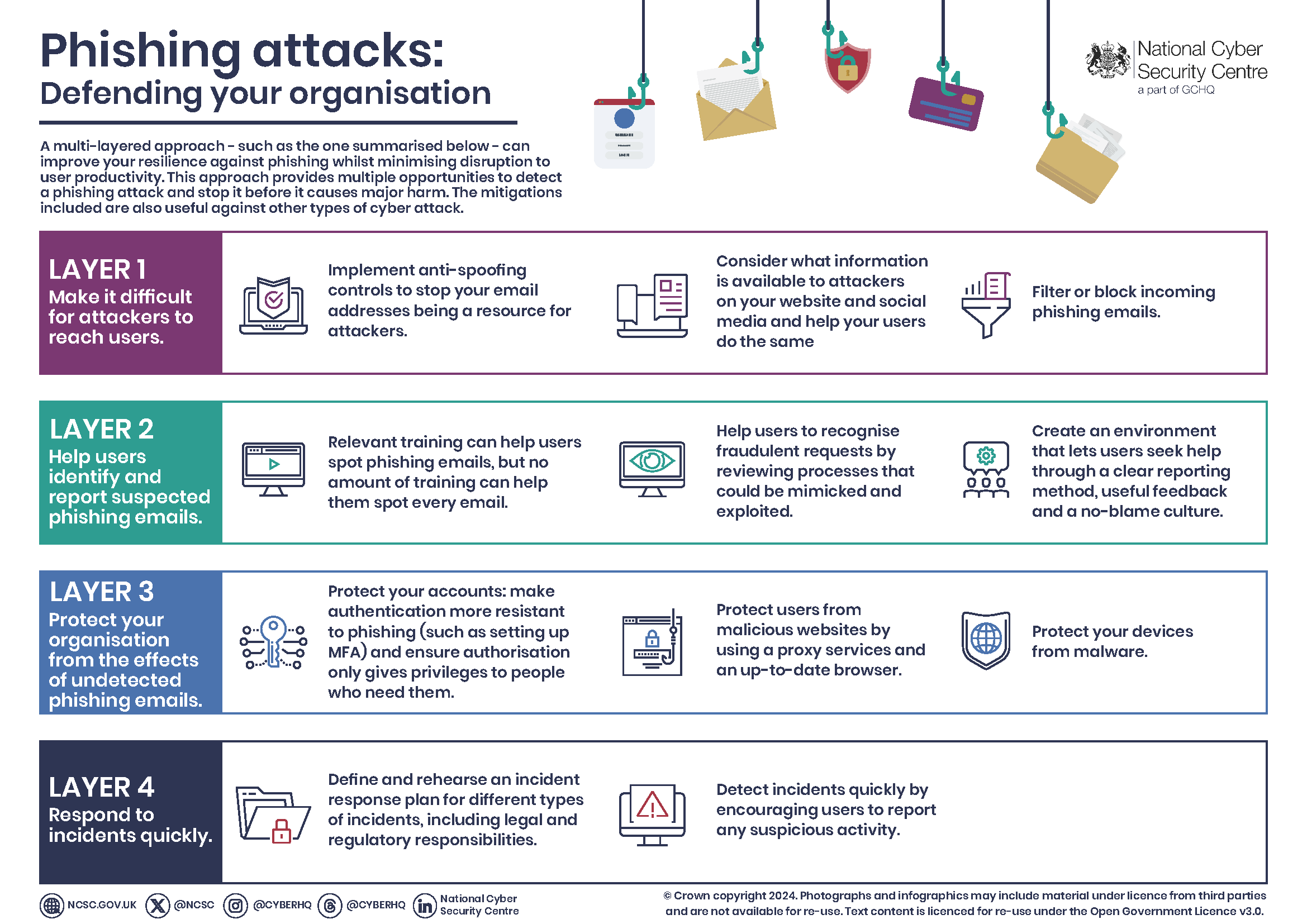
Guide to Identifying And Preventing Phishing Attacks in Organizations: Smart Defense Strategies
Phishing attacks trick users into revealing sensitive information. Identifying and preventing these attacks is crucial for organizational security. Guide to Identifying And Preventing Phishing Attacks in Organizations:Phishing attacks remain a significant threat to organizations, targeting employees through deceptive emails and messages. These attacks often appear legitimate, making it easy for individuals to fall victim. By
-
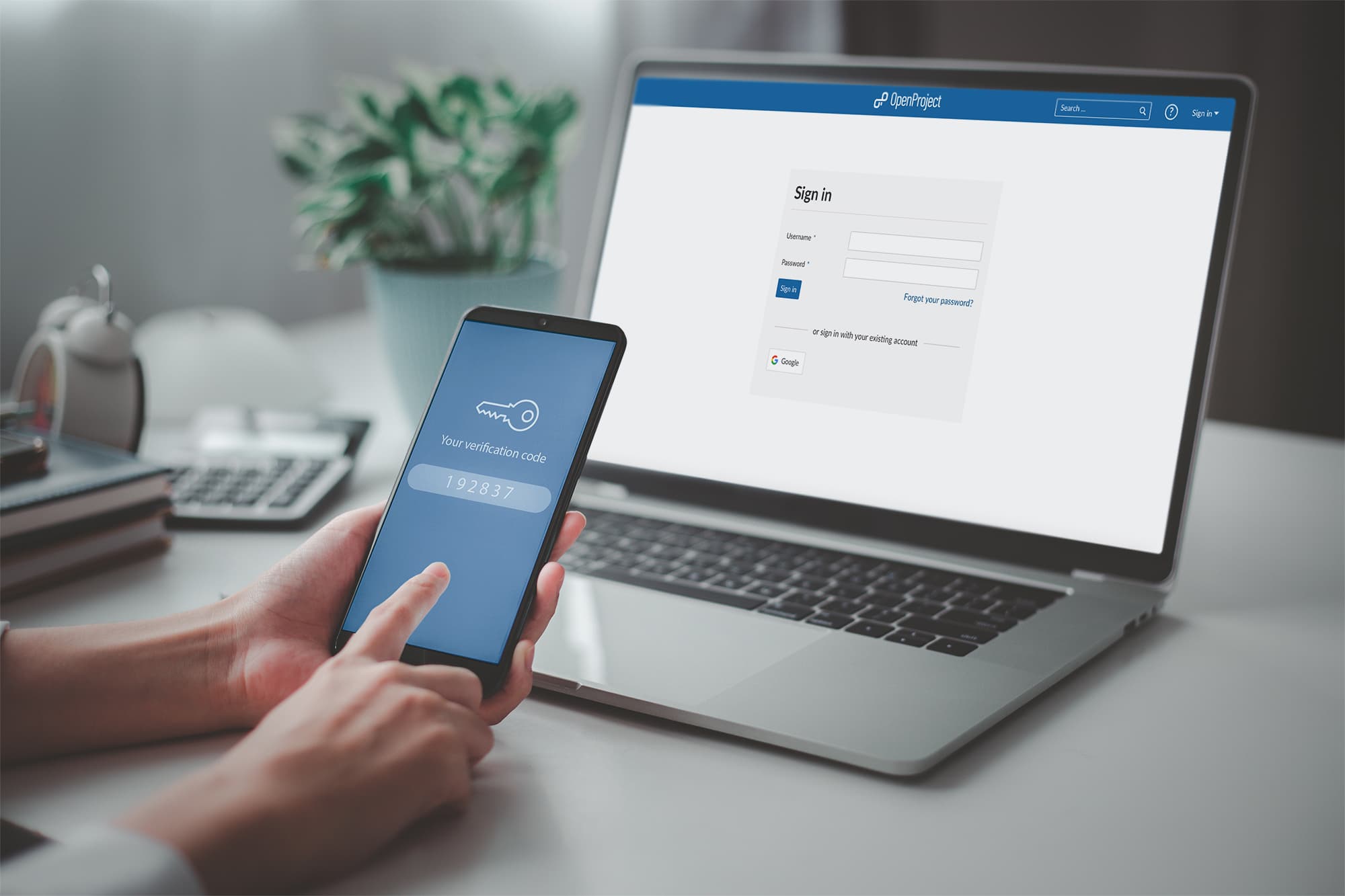
How to Implement Multi-Factor Authentication: Boost Security!
To implement multi-factor authentication (MFA) for data protection, choose an MFA solution that suits your needs. Then, enable MFA on all user accounts to enhance security. How to Implement Multi-Factor Authentication:Data protection is increasingly vital in today’s digital landscape. With cyber threats on the rise, relying solely on passwords is no longer sufficient. Multi-factor authentication